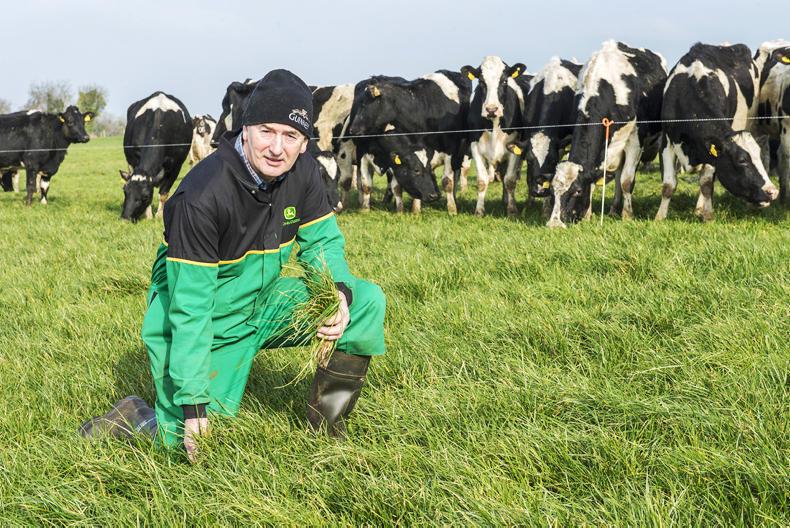
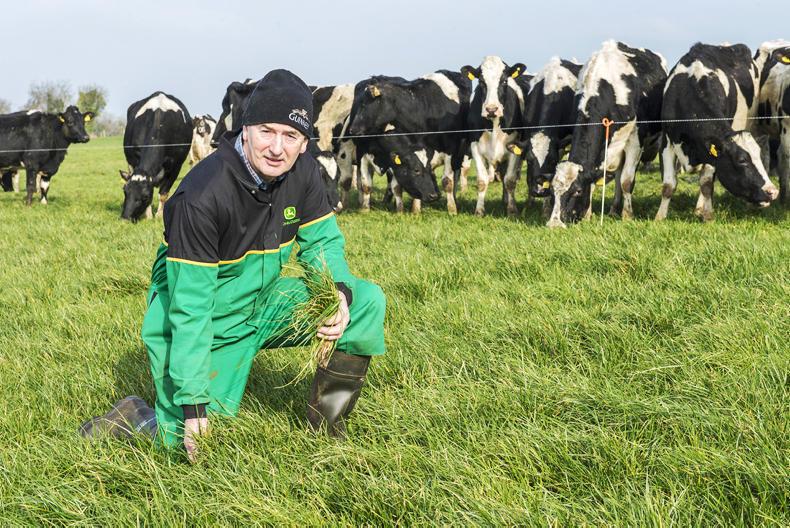
“It definitely saves money, a healthy cow is a profitable cow. If you have to get the vet to clean out a cow it delays breeding, it delays everything.” Mike McCarthy is farming in Co. Limerick.
Mike’s farm is naturally deficient in selenium and this needed careful attention each year.
In 2013 a national Teagasc survey highlighted that dairy cows receive only 38% of their required selenium from grass. This reinforced earlier work which has shown that over 90% of grass and silage is either low or very low in selenium. Selenium is very important for a number of functions within the cow and has been shown to have a considerable effect on fertility, breeding and thrive.
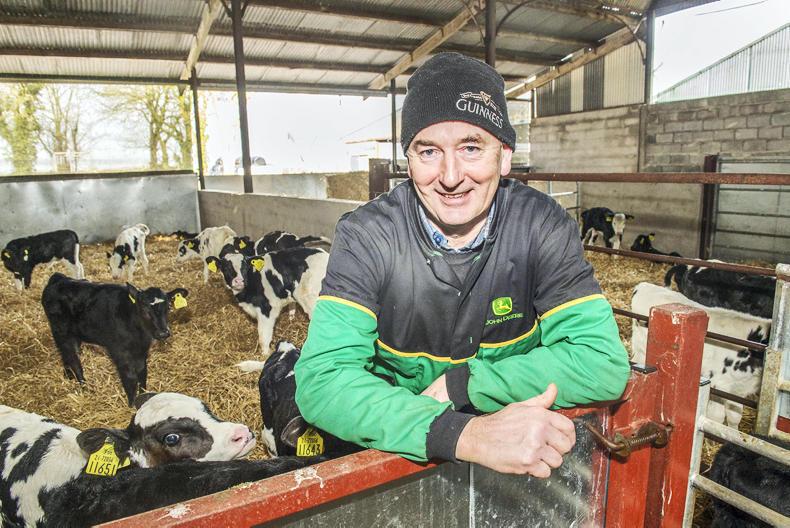
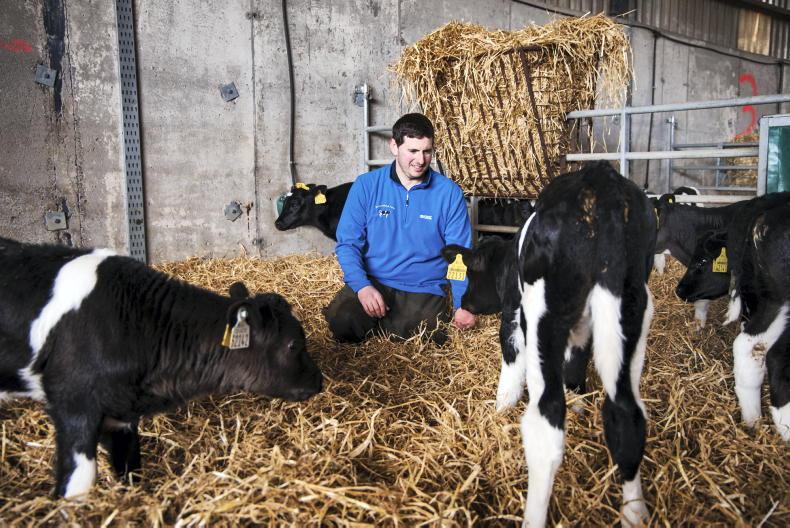
The McCarthys started using selenium in their fertiliser back in 2014. They were aware of a selenium deficiency on farm and had been blood sampling twice a year to keep an eye on it. Cows retaining cleanings was not uncommon on the farm and calves were often very lethargic when born. Since switching to using Gouldings selenium fertilisers Mike has almost forgotten they had a selenium deficiency. The selenium is taken up by grass and silage and is now fed throughout the year. “It’s in the diet, it’s there, without having to artificially replace it.” It is seldom now that a cow would retain cleanings and calves are much livelier when born. Mike has also cut out administering selenium injections to the herd.
ADVERTISEMENT
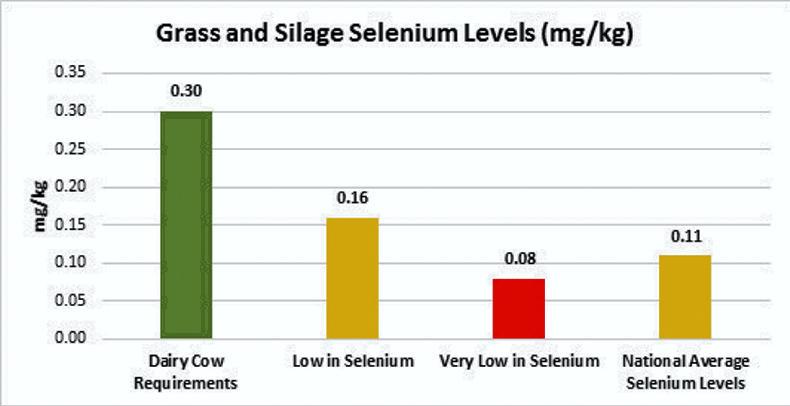
The easiest way to establish whether your farm has a selenium deficiency is to carry out a mineral scan on either grass or silage or to carry out a blood test on a number of animals. Cows require 0.30mg/kg of selenium in their diet so for grass and silage mineral scans, less than 0.16mg/kg can be considered low while less than 0.08mg/kg can be considered very low. The average selenium content in Ireland is 0.11mg/kg.
Mike spreads 4 bags per acre of selenium fertiliser on grazing and silage ground. He usually starts his years application with Selenistart, the next product he uses then depends on soil fertility. Lower P + K sites receive Selenigraze while fields which receive slurry and have good soil fertility receive Selenigrass. Mike spreads Selenicut for silage ground.
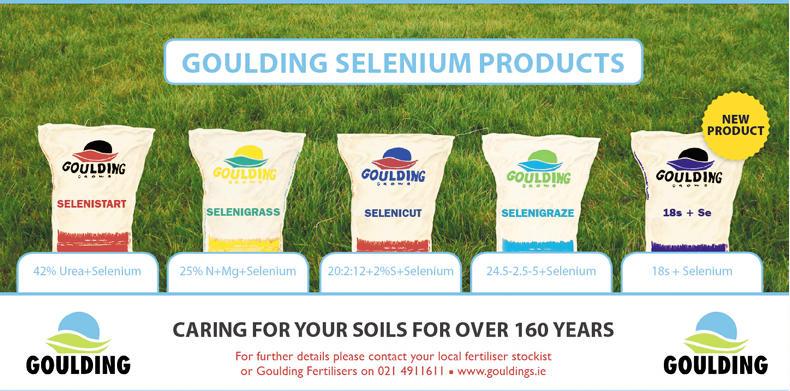
The Gouldings Selenium range also includes 18’s + Selenium as well as the products that Mike has been using, namely Selenistart (urea + selenium), Selenigrass (CAN + selenium), Selenigraze + Sulphur (24½-2½-5 + Sulphur + Selenium) and Selenicut (20-2-12 + Sulphur + Selenium). If you have any further queries on selenium and fertiliser please contact your local fertiliser stockist or Gouldings Fertilisers directly on 021-4911611
Register for free to read this story and our free stories.
This content is available to digital subscribers and loyalty code users only. Sign in to your account, use the code or subscribe to get unlimited access.
However, if you would like to share the information in this article, you may use the headline, summary and link below:
Title: Saving money while reducing the workload
“It definitely saves money, a healthy cow is a profitable cow. If you have to get the vet to clean out a cow it delays breeding, it delays everything.” Mike McCarthy is farming in Co. Limerick.
The reader loyalty code gives you full access to the site from when you enter it until the following Wednesday at 9pm. Find your unique code on the back page of Irish Country Living every week.
CODE ACCEPTED
You have full access to the site until next Wednesday at 9pm.
CODE NOT VALID
Please try again or contact support.
Mike’s farm is naturally deficient in selenium and this needed careful attention each year.
In 2013 a national Teagasc survey highlighted that dairy cows receive only 38% of their required selenium from grass. This reinforced earlier work which has shown that over 90% of grass and silage is either low or very low in selenium. Selenium is very important for a number of functions within the cow and has been shown to have a considerable effect on fertility, breeding and thrive.
The McCarthys started using selenium in their fertiliser back in 2014. They were aware of a selenium deficiency on farm and had been blood sampling twice a year to keep an eye on it. Cows retaining cleanings was not uncommon on the farm and calves were often very lethargic when born. Since switching to using Gouldings selenium fertilisers Mike has almost forgotten they had a selenium deficiency. The selenium is taken up by grass and silage and is now fed throughout the year. “It’s in the diet, it’s there, without having to artificially replace it.” It is seldom now that a cow would retain cleanings and calves are much livelier when born. Mike has also cut out administering selenium injections to the herd.
The easiest way to establish whether your farm has a selenium deficiency is to carry out a mineral scan on either grass or silage or to carry out a blood test on a number of animals. Cows require 0.30mg/kg of selenium in their diet so for grass and silage mineral scans, less than 0.16mg/kg can be considered low while less than 0.08mg/kg can be considered very low. The average selenium content in Ireland is 0.11mg/kg.
Mike spreads 4 bags per acre of selenium fertiliser on grazing and silage ground. He usually starts his years application with Selenistart, the next product he uses then depends on soil fertility. Lower P + K sites receive Selenigraze while fields which receive slurry and have good soil fertility receive Selenigrass. Mike spreads Selenicut for silage ground.
The Gouldings Selenium range also includes 18’s + Selenium as well as the products that Mike has been using, namely Selenistart (urea + selenium), Selenigrass (CAN + selenium), Selenigraze + Sulphur (24½-2½-5 + Sulphur + Selenium) and Selenicut (20-2-12 + Sulphur + Selenium). If you have any further queries on selenium and fertiliser please contact your local fertiliser stockist or Gouldings Fertilisers directly on 021-4911611
If you would like to speak to a member of our team, please call us on 01-4199525.
Link sent to your email address
We have sent an email to your address. Please click on the link in this email to reset your password. If you can't find it in your inbox, please check your spam folder. If you can't find the email, please call us on 01-4199525.
ENTER YOUR LOYALTY CODE:
The reader loyalty code gives you full access to the site from when you enter it until the following Wednesday at 9pm. Find your unique code on the back page of Irish Country Living every week.








SHARING OPTIONS