


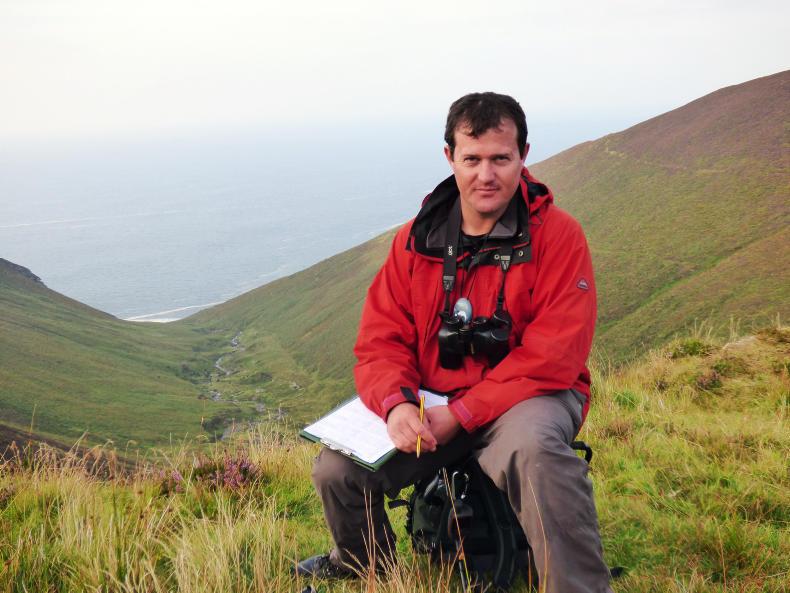
As I spoke with numerous students across a range of sectors the last few weeks, one sentiment was common. Their desire for an outdoor job. For many the idea of an office is remarkably unappealing. When I spoke with Dr Noel Mulligan, head of biological and pharmaceutical sciences at IT Tralee, those students came into my head. The people studying wildlife biology at ITT certainly do not have this problem.
The BSc (honours) in Wildlife Biology at Institute of Technology Tralee is a four-year course with an intake of 32 students each year.
Established in 2006, the wildlife course focuses on ecology and the environment. A new avenue was introduced four years ago that equips some graduates to work in the area of wildlife tourism.
Students study general science concepts in year one, delve into zoology and botany in year two, while in the third and fourth year focus is on ecology, habitats, biodiversity and conservation.
Work placement and a major research project are undertaken in the latter years. Points for the course are around 300.
I spoke with three graduates of the course.
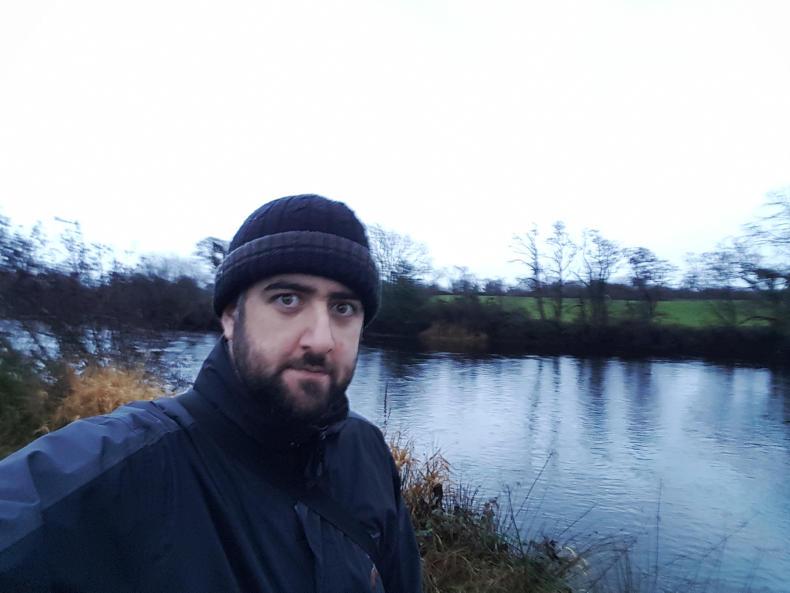
Kilian Kelly, Youghal, Co Cork
Current job: Assistant lecturer, IT Tralee.
“When I read the content of the BSc in wildlife biology it seemed perfect. I was a mature student with experience working in outdoor education and had a lifelong interest in wildlife and the environment. The blend of ecology, environmental science, zoology, botany and habitat studies was ideal. Into the future, I was interested in combining my teaching interests with my passion for wildlife, so the programme was a good fit.
“The course was exactly what I’d hoped for, with a balance of lectures, laboratory work and weekly field trips. It was challenging, and having been out of school for a number of years it required a lot of work. The work placement module was particularly valuable and my placement was with the Marine Institute in Mayo.
“I am very happy with the job. I left Dublin, a job in the south inner city and endless hours battling traffic on the M50, to study the wildlife programme at ITT. Now I work in an area I love and get to live in west Kerry. The commute is less busy and the views are spectacular.
“When I graduated I got a job with Inland Fisheries Ireland, monitoring fish populations in rivers and lakes around Ireland. I later returned to ITT to begin a master’s by research in conservation grazing, which I am still working on, although now towards a PhD.
“I am now an assistant lecturer at IT Tralee and work on the wildlife biology, agricultural science and agricultural engineering programmes. I continue my research interests, which focus on upland ecosystems and conservation grazing.
“I assist with local conservation projects, such as the MacGillycuddy Reeks Locally-Led Scheme and the work of the Maharees Conservation Association. So the course helped.”
Kieran Murphy, Millstreet, Co Cork
Current job: Community water officer with the Local Authorities Waters and Communities Office (LAWCO)
“My interest in wildlife and the environment began when I was young, listening to my father talk about the animals he saw while out fishing and hunting, and trying to remember the bird songs he would identify when we were in the backyard. Working in the environment and with wildlife was always a dream from that young. When I saw an advertisement for a wildlife biology course at IT Tralee I jumped at the chance to finally turn my passion into a profession. It was more than I expected. It’s much more than identifying animals and plants, it is about understanding ecology, its interaction with people, policy and other fields of study. I definitely got more out of the course than I expected. Like everything though, what you get out of it depends on what you put in.
“I am the community water officer as part of the new (local authority) waters and communities office. I’m based in Inniscarra and cover county Cork. My primary role is to provide on-the-ground support to communities in the delivery of Water Framework Directive objectives (ie good water ecological status). I support local communities and help develop projects such as pollution mitigation and control, habitat improvement, biodiversity conservation, invasive species control and public awareness.
“The course certainly helped in getting this job. After graduating I worked on a habitat restoration project with IRD Duhallow, a rural development company. The training and education I received from the WB course and the experience of working with communities in Duhallow have helped me in my current role. Day-to-day I meet with community groups to lend technical or funding advice on potential projects that they could undertake to improve the status of their local river, lake, wetlands, estuary or coastal waters. I also visit schools to talk to pupils about the importance of our natural waters. I also work closely with both local authorities in Cork (county and city) and other relevant agencies and act as liaison between them and local community groups.”
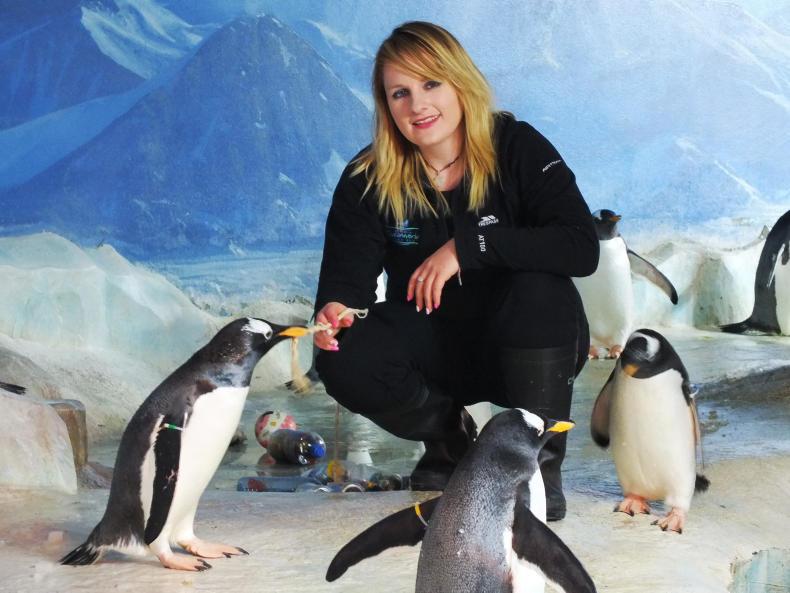
Louise Overy, Brandon, Co Kerry
Current job: Animal curator
“I always had a passion for wildlife and nature growing up and I much prefer being outdoors, so I wanted to pursue a career that would allow me to continue to work in the areas I love the most.
“This course is broad and wide ranging, so although you may enter it with a particular area of interest, throughout your time there you can find new areas that intrigue you that you may choose to pursue. The broad range of knowledge and experience you get from the course makes you very appealing to employers, as well as gaining a wide skillset they can use right from the outset.
“Since graduating I secured a job at Dingle Oceanworld aquarium and I have since become the animal curator. It is a highly diverse job, not only do I get to work very closely with animals, many animals I would never have dreamed of, but there is always a new project or avenue to explore or area to pursue.
“So as you can imagine, animal care and husbandry is my core job and I am responsible for overseeing all aspects of animal management. Duties generally include making decisions involving animal husbandry, diets, veterinary care, quarantine procedures, enrichment activities, animal transportation, research projects and I also have to supervise all the animal care team to ensure smooth daily running.
“As I mentioned before my job is highly diverse not only in the day-to-day running, but because we work on a huge array of conservation and education projects such as our own lobster hatchery. We are also first responders in the event of any whale or dolphin strandings in the area and are privileged to be able to rehabilitate any sea turtles that get washed up on our shores in need of help. So as you can tell, there is never a dull day in the office.” CL



SHARING OPTIONS