



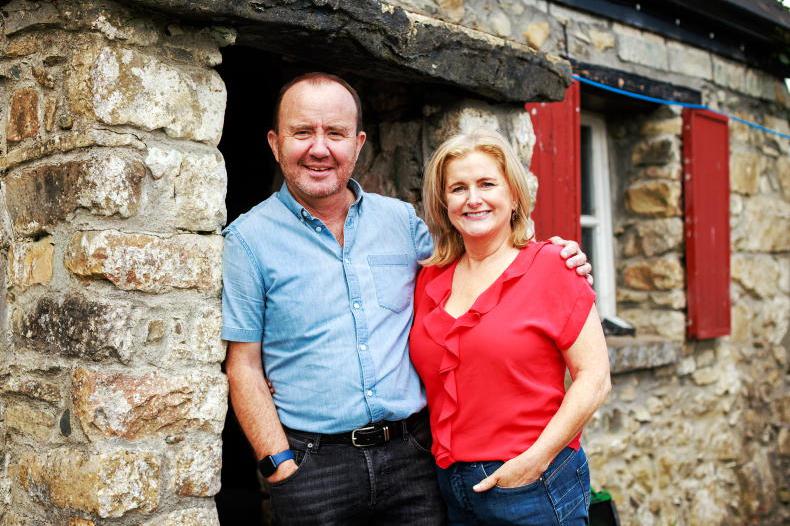
There are moments in life you never forget. For Helen Reilly, one of those was a phone call last January from her kidney donor co-ordination team in Belfast City Hospital. “Helen, we’ve got a match,” they said.
The donation wasn’t for Helen, however; it was for her husband, Myles. But she would be donating her kidney as part of a paired kidney exchange programme, a complex web of family donations and one that can be life-changing.
This family from Aughnacliffe, Co Longford, has had its fair share of life-changing moments, especially given how fast Myles became ill.
He explains: “It was May 2022. We were still in COVID and I started to feel unwell. Up until then, life was great. Our daughters, Sarah Jane and Niamh, were enjoying life in Australia, our youngest, Lorcan, was doing his Leaving Cert. I was working as an insurance assessor for AXA, I did a bit of suckler farming, I played golf, and Helen and I enjoyed travelling. Life was good.”
Alarming news
What started as a suspected kidney infection escalated quickly and, after four days of tests in hospital, Myles took a bad turn.
“I remember ringing Helen, saying I was being moved to intensive care, and I don’t remember a lot for four days after that.”
Helen remembers every minute.
“Our world just fell apart,” she says.
When Myles was stabilised and conscious again, he was met with some alarming news.
“I remember the doctor saying, ‘You have a rare autoimmune disease called Goodpasture.’ And that’s where the funny bit comes into it, because I half laughed and said, ‘Well, we’ve very bad land at home. But now you’re telling me I’ve got Goodpasture.’”
This autoimmune condition attacks the body, specifically the kidneys and lungs.“Thankfully my lungs were fine but the damage had been done to the kidneys. I needed to start an intensive course of treatment called plasmapheresis – a process where they take the blood out of the body, wash it, re-filter it and remove the plasma. I had to do that for five hours every day for 16 days. It saved my life but I was still facing a future of dialysis.”
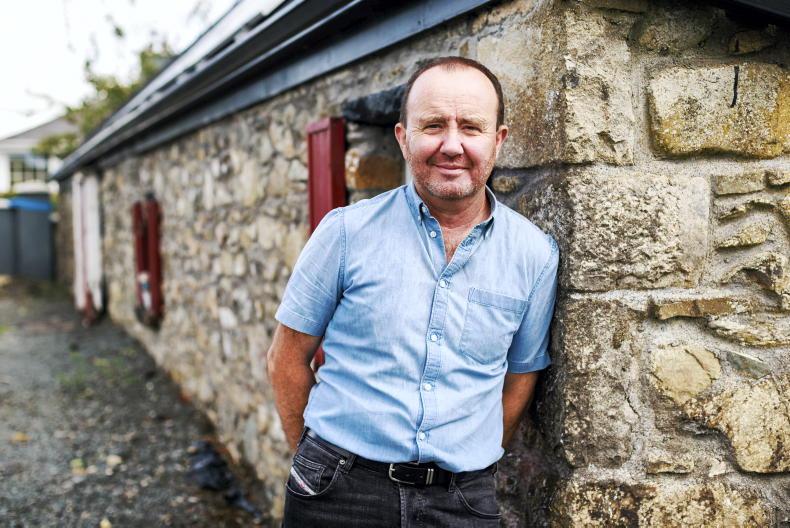
Myles says he opted to travel to Cavan General Hospital for dialysis three days a week.
“Helen used to say, ‘Look at it as if you’re going to work’. So on Mondays, Wednesdays and Fridays, I had dialysis and then, on the other two days, I was working with AXA, who were very supportive. Being out and about helped me to cope.”
But being on dialysis meant a totally different lifestyle and diet.
Myles, who loves a plate of spuds, says: “Potatoes had to be boiled three times to reduce the potassium level. No bananas, tomatoes, mushrooms, only small amounts of dairy products. It was very restrictive.”
Helen says it had a big impact on family occasions.
“It was easier to stay at home, really. We all kind of got used to the potatoes being boiled three times. It was tough on all the family.”
A transplant became the Holy Grail and, after a year of medical assessments, Myles was accepted onto the transplant list.
“It’s one of the milestones you remember on a journey like that, the first sign of hope, a light at the end of the tunnel.”
But the wait was long. There wasn’t a match in the family and Myles insisted the children were too young to donate, that they had their whole lives ahead of them.
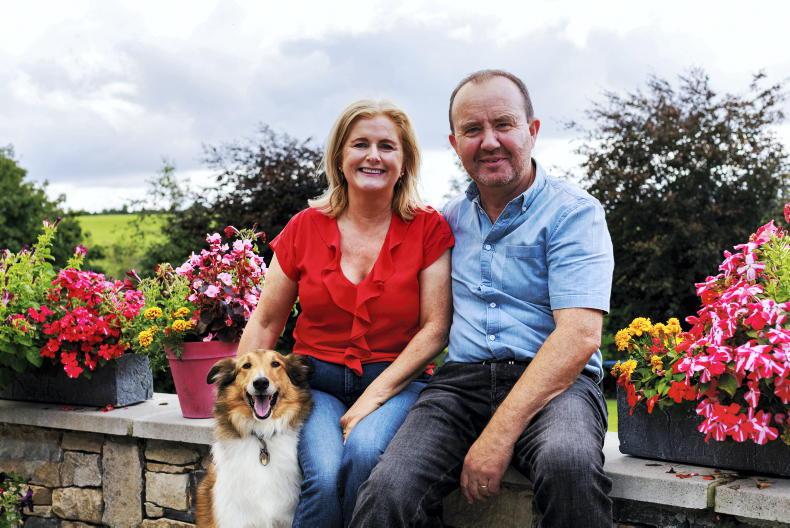
Despite his protests, one day in the waiting room in Beaumont Hospital, Helen slipped a pamphlet about the paired kidney exchange programme into her bag.
Myles explains: “It’s a shared programme between Belfast City Hospital and Beaumont Hospital, and it’s relatively new. Basically, what happens is there are people like me waiting on a transplant, and if you have a partner or someone who is not a match for you, but is still prepared to donate a kidney, then you go into this pool.
“There’s a big algorithm and every three months there is a run, assessing tissue types, blood types and all the relevant bits [of those on the list], to see if there are compatible donors and recipients.” Finding a match As more time passed with no news of a donor, Helen started privately doing the work-ups to see if she could donate to the programme.
“I didn’t tell Myles initially because I knew he would put me off, but I was determined,” she says, joking that there were only so many coffee dates and shopping trips she could fib about.
“In the end, it was a joint decision.”
Myles explains what changed his mind.
“I realised it was affecting my family’s life as much as mine. We couldn’t go on trips away or go out for a nice meal. And I might sound pleasant now, but I wasn’t always as nice when I was on dialysis. There were some grumpy evenings and Helen put up with an awful lot.”
When Helen was accepted onto the programme, there was plenty of hope, but also disappointment when there wasn’t a match in the first run, or the second.
“The first round is your best chance because the pool is so open, and your chances get lower each time around,” Helen says.
So when Helen’s phone rang a few days after the third run in January, she didn’t even answer the call initially “because I was just so disheartened”.
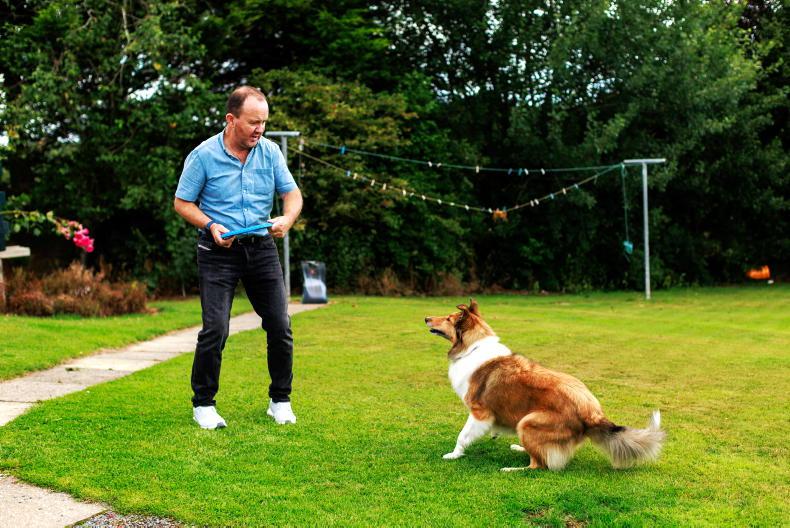
She couldn’t believe it when the second call confirmed they had found a match.
Myles, who has a separate set of co-ordinators, was in Enniskillen when he got the call.
“The words that stuck out for me were ‘one-to-one match’, which is nearly a perfect match. It couldn’t be any better in terms of blood type, tissue type or age. I’ll be honest, I started bawling crying.”
Myles explains that they were matched with two other couples in the UK.
So couple A would donate a kidney to couple B, and couple B would donate to couple C, and then couple C back to couple A.
Despite the initial elation, it was a long wait from the call in January until the day of surgery on 9 April because, if someone dropped out or got sick, the whole set-up would collapse.
Watching Helen go down for surgery is a moment I’ll never forget. I remember being so worried for her, but then the medical team lined the corridors and clapped her the whole way down, and it was very emotional. Fear, yes, but also pride
On donation day, the full healthcare team was ready, as was their family support team. Sarah Jane and Niamh came home from Australia and, along with Lorcan, stayed in an apartment beside the hospital.
Myles says: “Watching Helen go down for surgery is a moment I’ll never forget. I remember being so worried for her, but then the medical team lined the corridors and clapped her the whole way down, and it was very emotional. Fear, yes, but also pride.”
The day itself was very windy and the plane carrying the kidney from the UK was delayed. “But it did mean that I got to see Helen before I went down and I knew she was OK. So then I had no fear whatsoever because she was OK and I was the one gaining.”
Not only was the donation a success for Myles and Helen, it also went well for the two other couples in the UK, who remain anonymous, although Myles says he is allowed to write a letter to his donor.
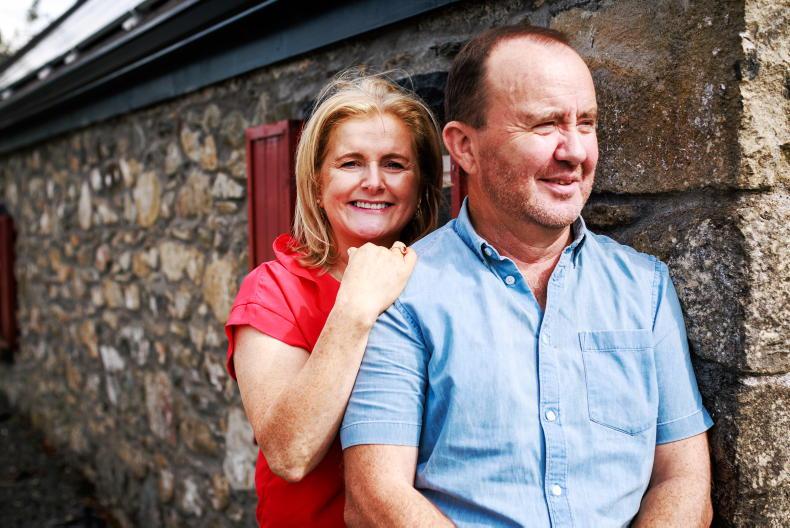
Recovery after major surgery hasn’t been easy, but Myles and Helen say they had fantastic support from their children, of whom they are immensely proud, as well as neighbours and friends.
“The mantelpiece was full of Mass cards and the farm looked better than before I got sick,” Myles jokes.
Now, five months later, Myles says the procedure has been life-changing.
“It’s amazing, an amazing feeling. Physically, I’m about 70% of where I was before I got sick. I still have to watch my diet and I will be on medication my whole life, but it’s a small price to pay.
“I wouldn’t be where I am today were it not for Helen and what she has done for me. It’s remarkable,” he says, smiling.
“Nothing that he wouldn’t have done for me,” she replies.
Myles continues: “We have a bucket list, and we have plans, and we have a camper van. Australia for Christmas next year. Our life was on hold for years, but it’s like that big black cloud has moved away and the sun has come out again.”
Listen to the full interview on This is Country Living podcast, out on Saturday 5 September, wherever you get your podcasts.




SHARING OPTIONS