Walk into any local shop or petrol station and as you go to pay, you’ll notice a colourful display of thumb-sized sticks behind the cashier.
These are vapes or e-cigarettes, and they’re hard to miss. Marketed in a variety of flavours like blueberry, raspberry, strawberry ice and watermelon, they sound like the kind of smoothie you could order in a café. But what about inhaling them?
When someone inhales from a vape or e-cigarette, they’re breathing in vapour made by heating a liquid. This liquid usually contains nicotine, propylene glycol (found in antifreeze and paint solvent), and flavourings.
Studies have found toxic and cancer-causing chemicals in the vapour of e-cigarettes, with one review finding that non-nicotine e-cigarette liquids contained 243 unique chemicals, including known poisons and prohibited substances.
Vapes were initially designed for people who wanted to move away from smoking. But now their target audience has become wider, attracting an entire cohort of young people who never smoked previously.
Professor Marcus Kennedy, president of the Irish Thoracic Society and consultant respiratory physician, does not mince his words when it comes to describing the extent of vaping amongst young people in Ireland, calling it “an epidemic”.
The latest research from Healthy Ireland backs up his point, showing vape usage is highest among younger people, with 17% of 15-24-year-olds reporting that they use them either daily or occasionally. Use is higher among males in this age group at 20%, compared with females at 15%. Clearly, there’s a lot of teenagers experimenting with vapes.
It is the array of flavours in vapes– from menthol to fruit – that is perhaps the top reason why young people are attracted to vaping.
Changes in the teen brain
“Flavours decrease the perception of harm and increase the take-up of e-cigarettes,” remarks Professor Kennedy. “The introduction of disposable vapes also attracted teenagers to the market, and vaping companies are actively marketing these products to teenagers and young adults on social media.”
The marketing of vaping is extensive and persuasive. Take even the word: vaping. It does not sound as negative nor carry the same weight as a word like smoking. Vaping is a term that companies “have pushed to sound vague,” argues Professor Kennedy.
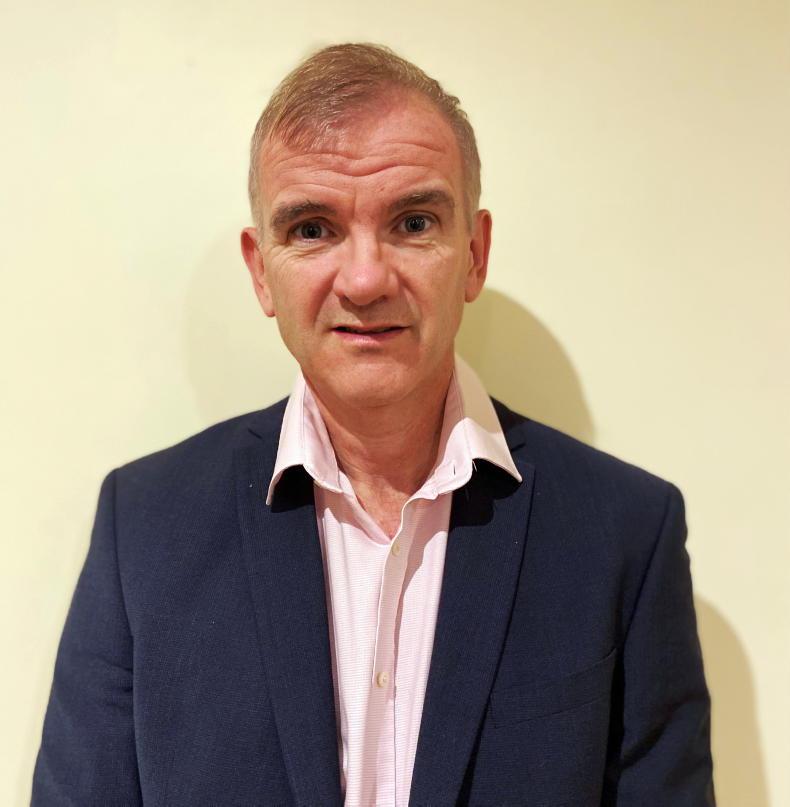
Prof Marcus Kennedy, president of the Irish Thoracic Society, says we are facing a vaping "epidemic".
“Vape is incorrect,” he states. “Vape is like the kettle boiling, but this is aerosol, like a spray. The amount of stuff in vapes, the amount of chemicals that cause cancer, that cause lung inflammation.
“Smoking a cigarette is like putting your mouth around an exhaust pipe. Vaping is like putting your mouth around the pipe that contains anti-freeze and compounds that are in anti-parasitic sprays,” holds Professor Kennedy.
Vapes contain nicotine which is not only highly addictive but also can lead to permanent changes in the teenage brain. Professor Des Cox, consultant in paediatric respiratory medicine at CHI Crumlin, explains.
“In respect to the developing brain, if you’re a 15- or 16-year-old teenager, you’re at higher risk of developing mental health issues such as anxiety. You’re more at risk of sleep and mood disturbance. You’re more at risk of concentration and memory issues.
“We don’t know the full impact of what happens to your lungs and your heart if you vape chronically over many years,” Professor Cox continues, “but there is evidence that vaping is linked to lung damage, asthma attacks and chronic cough.
“If you’re an asthmatic and you vape, you’re more likely to get recurrent asthma symptoms, like a chronic cough and recurrent bronchitis. The compounds that are in vapes and the flavourings are more likely to be harmful for the lungs and there is also evidence that it affects your heart.
“Teenagers and young people think they’re inhaling flavoured water and that’s not the case.”
While Professor Cox stresses that “vaping is definitely less harmful than smoking cigarettes”, which is “probably the worst thing you can do,” there is no evidence to suggest that vapes can help users to quit cigarettes (the main reason why vapes were designed in the first place). This claim is insufficiently supported by clinical trials.
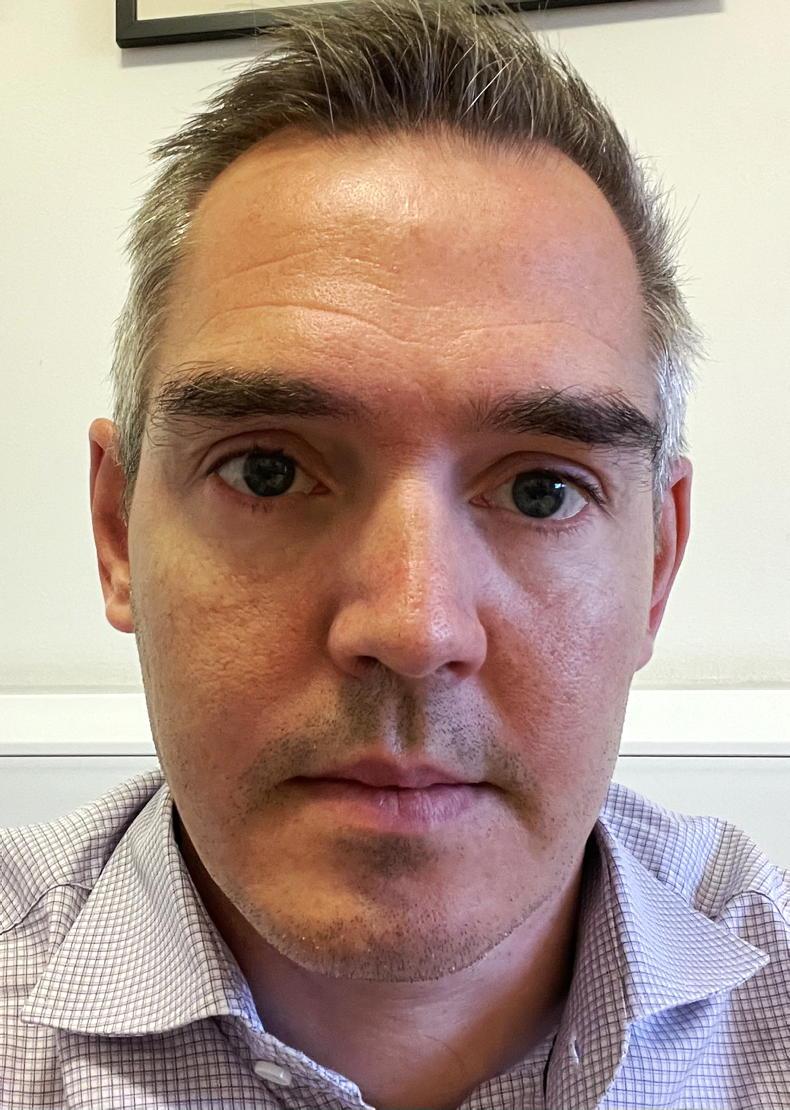
Professor Des Cox, consultant in Paediatric Respiratory Medicine at CHI Crumlin.
Policy interventions
Research suggests that most adults who buy e-cigarettes to quit smoking end up using both e-cigarettes and other tobacco products, and then struggle to quit both.
“The other concern is that a teenager who vapes on a regular basis is three to five times more likely to start smoking cigarettes. Because they’re addicted to nicotine, they’re more likely to try other products that contain nicotine.”
A new E-liquid Products Tax came into effect in Ireland on 1 November. The tax will apply at a flat rate of 50c per millilitre of e-liquid. A standard 2ml disposable vape will go from €8 to over €9, while a 10ml vape refill priced at €5 will more than double in price. You also have to be 18 years old to buy vapes.
These policy advancements are welcomed by experts, but there are calls for Government to go further and proceed with a ban of flavoured and disposable vapes.
Teenagers are attracted to the products because of the flavours and the knowledge that they can put the vape in the bin before it catches the attention of their parent.
New legislation to ban the sale of disposable vapes is being prepared. This will include restriction of the colours and imagery on the packaging and devices; restriction of the flavours for sale; and a ban on the advertising of these products in all shops, other than specialist shops.
The HSE told Irish Country Living this legislation will come in the form of two bills that: “are at a very advanced stage of drafting and are prioritised for publication in the autumn legislative programme”.
Strong legislative action works. According to the HSE, smoking among 10-17-year-olds has decreased from one in four in 1998 to one in 21 in 2022.
Professor Kennedy points to the UK who are introducing a ban on disposable vapes alongside tobacco-free generation legislation. This will ban the sale of tobacco products to anyone born after 2009. “They’re tackling the problem, so that’s what Ireland needs to do,” he says.
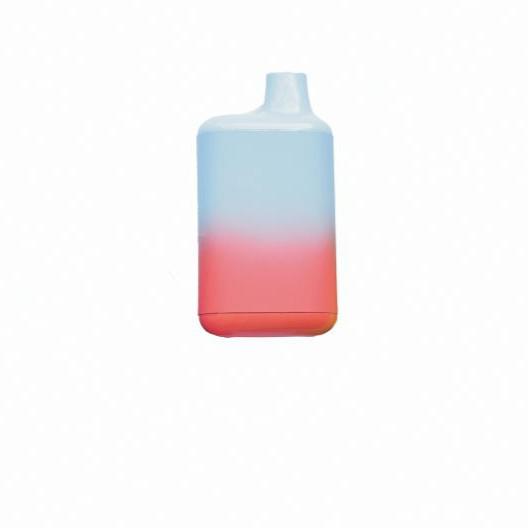
Healthy Ireland research found that vape usage is highest among younger people, with 17% of 15-24-year-olds reporting that they use them daily or occasionally.
Cathal Moore, principal of Presentation College in Athenry spoke to Irish Country Living after the HSE Tobacco Free Ireland Programme issued a letter to school principals across the country on the trends in vaping among young people.
He says: “New legislation cannot come quickly enough to ban the use of vapes among young people. Vaping poses significant threats to the health and development of young people, primarily due to the high addictiveness of nicotine.
“Vapes are also a gateway to smoking for young people. I conducted research as part of my Masters qualification in 2023 and was surprised at the high level of usage among the students that were surveyed.
“Students estimated that 70% of their age group had used a vape. Students said they began using vapes from the age of 12/13. They considered vapes to be inexpensive and easy to buy. For schools, this translates into major challenges and disruptions to the learning environment.”
If you want to quit vaping, you can order a quit kit, or talk to a HSE stop smoking adviser at quit.ie or by calling Freephone 1800 201 203.The Irish Thoracic Society is a member of the Irish Lung Health Alliance which works to promote healthy lungs. See irishthoracicsociety.com/vapingand lunghealth.ie.There is advice about how to talk to your child about vaping and smoking on the HSE website, including support for helping people to quit vaping. A ‘QUIT4Youth’ resource has been developed for HSE services to help them support young people who smoke and use e-cigarettes. See hse.ie/living-well/quit-smoking/vaping/ and hse.ie/eng/about/who/tobaccocontrol/resources/e-cigarette-resources.
Walk into any local shop or petrol station and as you go to pay, you’ll notice a colourful display of thumb-sized sticks behind the cashier.
These are vapes or e-cigarettes, and they’re hard to miss. Marketed in a variety of flavours like blueberry, raspberry, strawberry ice and watermelon, they sound like the kind of smoothie you could order in a café. But what about inhaling them?
When someone inhales from a vape or e-cigarette, they’re breathing in vapour made by heating a liquid. This liquid usually contains nicotine, propylene glycol (found in antifreeze and paint solvent), and flavourings.
Studies have found toxic and cancer-causing chemicals in the vapour of e-cigarettes, with one review finding that non-nicotine e-cigarette liquids contained 243 unique chemicals, including known poisons and prohibited substances.
Vapes were initially designed for people who wanted to move away from smoking. But now their target audience has become wider, attracting an entire cohort of young people who never smoked previously.
Professor Marcus Kennedy, president of the Irish Thoracic Society and consultant respiratory physician, does not mince his words when it comes to describing the extent of vaping amongst young people in Ireland, calling it “an epidemic”.
The latest research from Healthy Ireland backs up his point, showing vape usage is highest among younger people, with 17% of 15-24-year-olds reporting that they use them either daily or occasionally. Use is higher among males in this age group at 20%, compared with females at 15%. Clearly, there’s a lot of teenagers experimenting with vapes.
It is the array of flavours in vapes– from menthol to fruit – that is perhaps the top reason why young people are attracted to vaping.
Changes in the teen brain
“Flavours decrease the perception of harm and increase the take-up of e-cigarettes,” remarks Professor Kennedy. “The introduction of disposable vapes also attracted teenagers to the market, and vaping companies are actively marketing these products to teenagers and young adults on social media.”
The marketing of vaping is extensive and persuasive. Take even the word: vaping. It does not sound as negative nor carry the same weight as a word like smoking. Vaping is a term that companies “have pushed to sound vague,” argues Professor Kennedy.
Prof Marcus Kennedy, president of the Irish Thoracic Society, says we are facing a vaping "epidemic".
“Vape is incorrect,” he states. “Vape is like the kettle boiling, but this is aerosol, like a spray. The amount of stuff in vapes, the amount of chemicals that cause cancer, that cause lung inflammation.
“Smoking a cigarette is like putting your mouth around an exhaust pipe. Vaping is like putting your mouth around the pipe that contains anti-freeze and compounds that are in anti-parasitic sprays,” holds Professor Kennedy.
Vapes contain nicotine which is not only highly addictive but also can lead to permanent changes in the teenage brain. Professor Des Cox, consultant in paediatric respiratory medicine at CHI Crumlin, explains.
“In respect to the developing brain, if you’re a 15- or 16-year-old teenager, you’re at higher risk of developing mental health issues such as anxiety. You’re more at risk of sleep and mood disturbance. You’re more at risk of concentration and memory issues.
“We don’t know the full impact of what happens to your lungs and your heart if you vape chronically over many years,” Professor Cox continues, “but there is evidence that vaping is linked to lung damage, asthma attacks and chronic cough.
“If you’re an asthmatic and you vape, you’re more likely to get recurrent asthma symptoms, like a chronic cough and recurrent bronchitis. The compounds that are in vapes and the flavourings are more likely to be harmful for the lungs and there is also evidence that it affects your heart.
“Teenagers and young people think they’re inhaling flavoured water and that’s not the case.”
While Professor Cox stresses that “vaping is definitely less harmful than smoking cigarettes”, which is “probably the worst thing you can do,” there is no evidence to suggest that vapes can help users to quit cigarettes (the main reason why vapes were designed in the first place). This claim is insufficiently supported by clinical trials.
Professor Des Cox, consultant in Paediatric Respiratory Medicine at CHI Crumlin.
Policy interventions
Research suggests that most adults who buy e-cigarettes to quit smoking end up using both e-cigarettes and other tobacco products, and then struggle to quit both.
“The other concern is that a teenager who vapes on a regular basis is three to five times more likely to start smoking cigarettes. Because they’re addicted to nicotine, they’re more likely to try other products that contain nicotine.”
A new E-liquid Products Tax came into effect in Ireland on 1 November. The tax will apply at a flat rate of 50c per millilitre of e-liquid. A standard 2ml disposable vape will go from €8 to over €9, while a 10ml vape refill priced at €5 will more than double in price. You also have to be 18 years old to buy vapes.
These policy advancements are welcomed by experts, but there are calls for Government to go further and proceed with a ban of flavoured and disposable vapes.
Teenagers are attracted to the products because of the flavours and the knowledge that they can put the vape in the bin before it catches the attention of their parent.
New legislation to ban the sale of disposable vapes is being prepared. This will include restriction of the colours and imagery on the packaging and devices; restriction of the flavours for sale; and a ban on the advertising of these products in all shops, other than specialist shops.
The HSE told Irish Country Living this legislation will come in the form of two bills that: “are at a very advanced stage of drafting and are prioritised for publication in the autumn legislative programme”.
Strong legislative action works. According to the HSE, smoking among 10-17-year-olds has decreased from one in four in 1998 to one in 21 in 2022.
Professor Kennedy points to the UK who are introducing a ban on disposable vapes alongside tobacco-free generation legislation. This will ban the sale of tobacco products to anyone born after 2009. “They’re tackling the problem, so that’s what Ireland needs to do,” he says.
Healthy Ireland research found that vape usage is highest among younger people, with 17% of 15-24-year-olds reporting that they use them daily or occasionally.
Cathal Moore, principal of Presentation College in Athenry spoke to Irish Country Living after the HSE Tobacco Free Ireland Programme issued a letter to school principals across the country on the trends in vaping among young people.
He says: “New legislation cannot come quickly enough to ban the use of vapes among young people. Vaping poses significant threats to the health and development of young people, primarily due to the high addictiveness of nicotine.
“Vapes are also a gateway to smoking for young people. I conducted research as part of my Masters qualification in 2023 and was surprised at the high level of usage among the students that were surveyed.
“Students estimated that 70% of their age group had used a vape. Students said they began using vapes from the age of 12/13. They considered vapes to be inexpensive and easy to buy. For schools, this translates into major challenges and disruptions to the learning environment.”
If you want to quit vaping, you can order a quit kit, or talk to a HSE stop smoking adviser at quit.ie or by calling Freephone 1800 201 203.The Irish Thoracic Society is a member of the Irish Lung Health Alliance which works to promote healthy lungs. See irishthoracicsociety.com/vapingand lunghealth.ie.There is advice about how to talk to your child about vaping and smoking on the HSE website, including support for helping people to quit vaping. A ‘QUIT4Youth’ resource has been developed for HSE services to help them support young people who smoke and use e-cigarettes. See hse.ie/living-well/quit-smoking/vaping/ and hse.ie/eng/about/who/tobaccocontrol/resources/e-cigarette-resources.






SHARING OPTIONS