


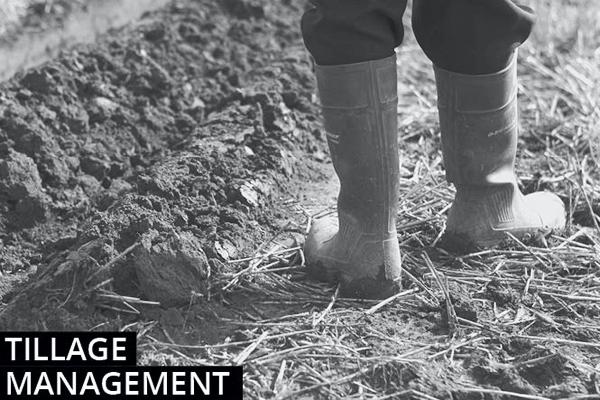
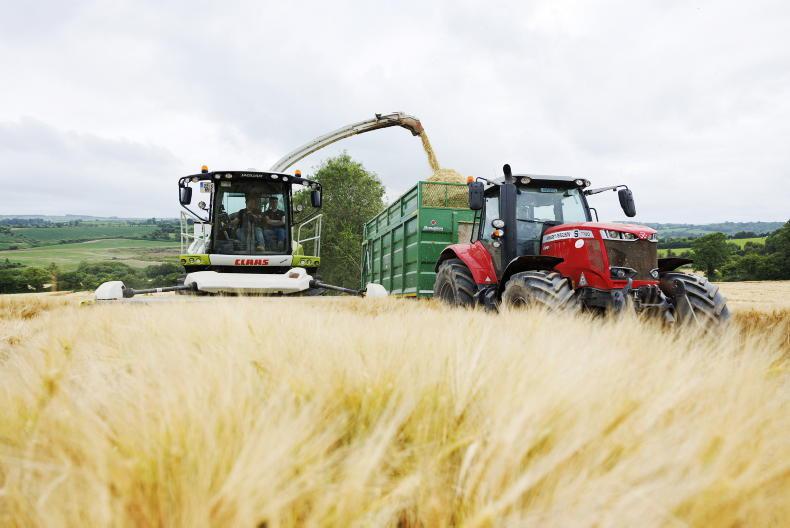
Harvest output good: A relatively good week for many growers, with harvesting and straw baling progressing apace. However, progress has been slow to non-existent for growers further west and into the northwest. In these areas, there have been virtually no good harvest days and ground conditions are problematic in places. And head losses occurred because some winter barley crops were sprayed off three to four weeks before harvest.
Time for winter rape: As we move into the last week of August, it is time to get winter rape planted, where possible. Crops following winter wheat or spring barley may not make this target, but organic manures, hybrid varieties, seedbed fertiliser and higher seed rates may help generate the necessary autumn canopy covers. With prices holding reasonably well, this remains an attractive crop for 2016.
Last week, I reported on the recommended oilseed rape varieties, but there are many non-recommended varieties on the market as well. These include SY Harnas (high yield, extra vigorous autumn growth, good on light leaf spot and phoma), Incentive (a new hybrid doing well in Britain), Anastasia (new high-yielding conventional variety with short, stiff stems and excellent lodging resistance), Charger (a conventional variety with vigorous autumn growth and early maturity), DK Extrovert (a DeKalb variety offering good phoma and light leafspot resistance, autumn vigour, high yield, plus pod shatter resistance) and Alizze (a new hybrid from RAGT offering high yield, excellent standing power and very good light leafspot resistance). Plant hybrids at 35-40 seeds/m2 and conventional varieties at 65-80/m2, depending on sowing date and soil conditions. Use some seedbed nitrogen, and possibly P and K, to ensure good autumn growth. This could be a bag of DAP or 18:6:12/acre. This should not be needed if using poultry litter or pig slurry at planting.
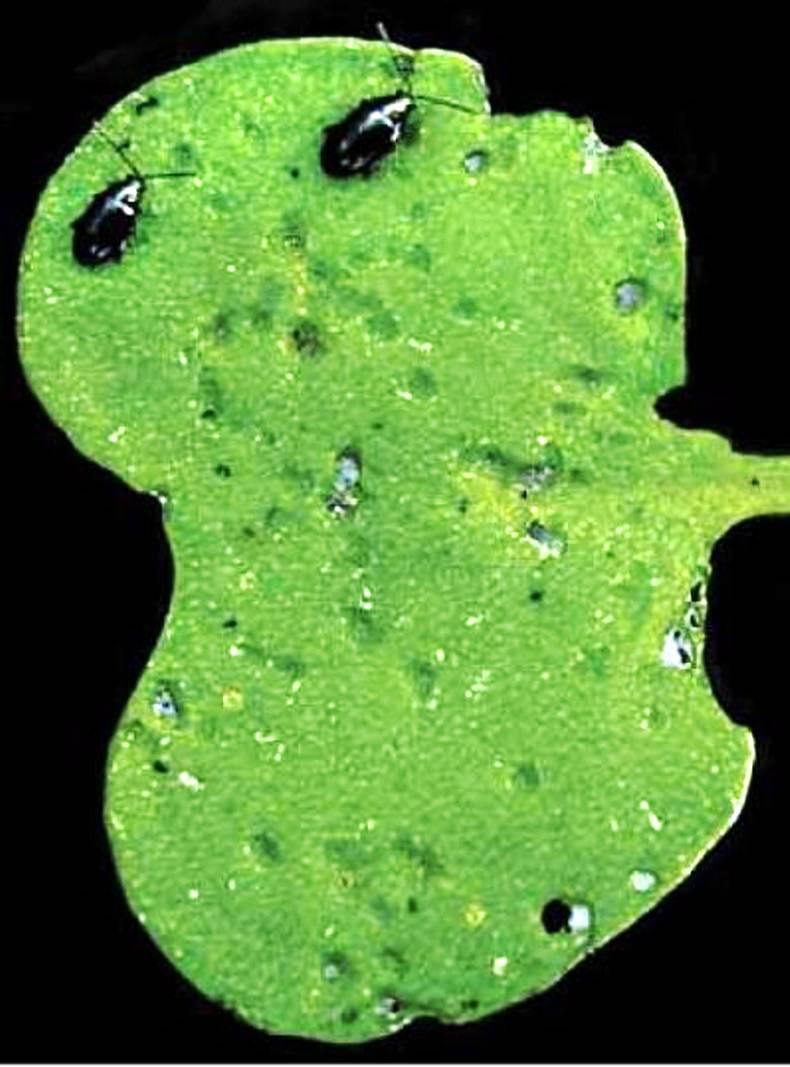
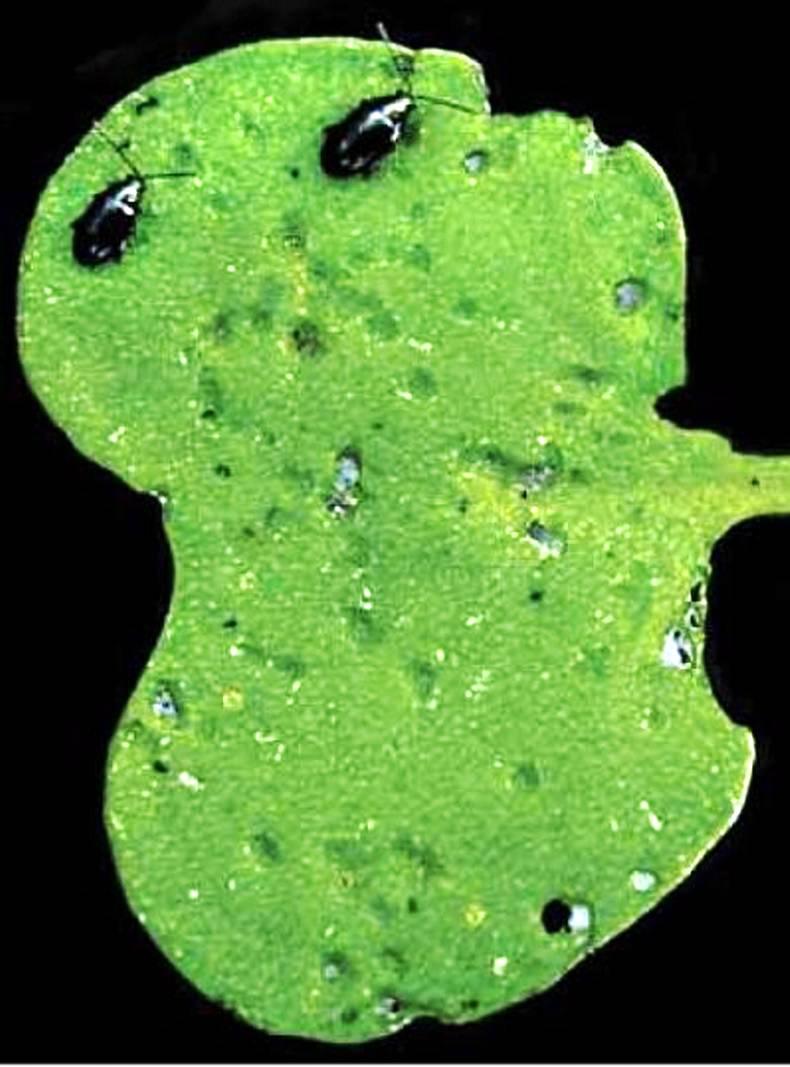
With the ban on neonicotinoid insecticides, establishing crops must be monitored for flea beetle damage. This will be seen as little white spots on the cotyledon, which can quickly result in the death of the plant if severe damage occurs. Insecticide sprays may be needed during establishment. High early vigour is useful to help a variety cope.
Slugs are a perennial problem on oilseed rape, but numbers appear generally low this year. So it makes sense to hold off on pellet application this autumn until there is proof that they are needed. If you intend to use pellets either way, then apply on top immediately after sowing.
Buffer zones: Remember to have the necessary 2m buffer zones along by watercourses. The 2m applies from the top edge of the bank. These cannot be tilled, except to plant grass. You now know where these watercourses are. Leaving a 3m strip will enable them to be managed and prevent weeds from going to seed.




SHARING OPTIONS