



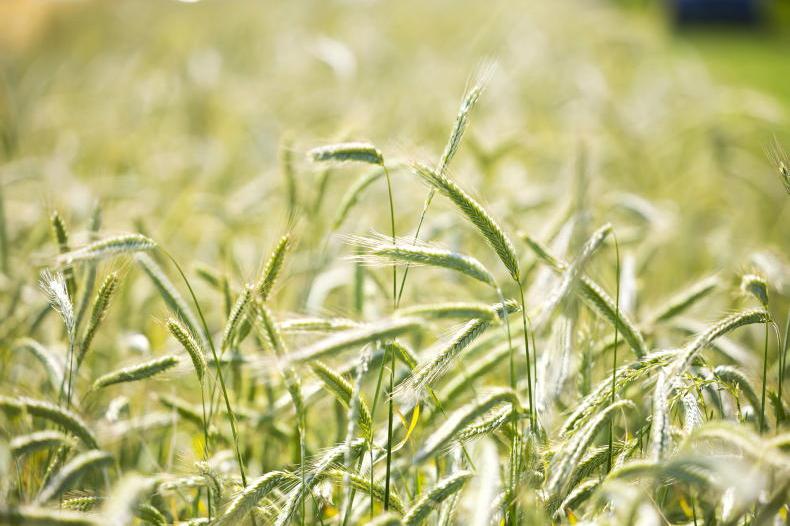
Rye has grown in popularity in recent years. The area grown in 2025 increased to 3,700ha, up 1,000ha on 2024. Its high yield potential makes it attractive to grow, but there is still a lot to be learned about its management.
Research in Teagasc Oakpark by Richie Hackett is examining eight to 10 different varieties.
The hybrid rye crops have been found to be yielding similar or above winter wheat levels. It can be sown from early September to mid-October, allowing farmers to start planting early.
The recommended seeding rate is 200 seeds/m2, which is lower than other cereals. It is suitable for a range of soil types including heavier and sandier soils.
Teagasc is aiming to compile five years of research information into a grower guide by early 2026.
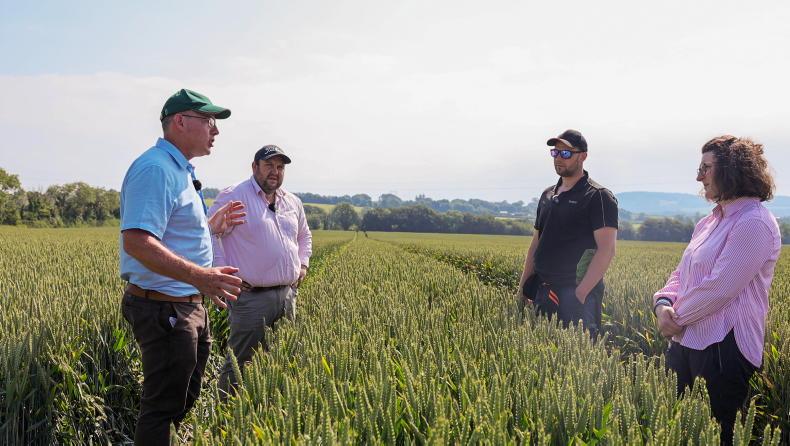
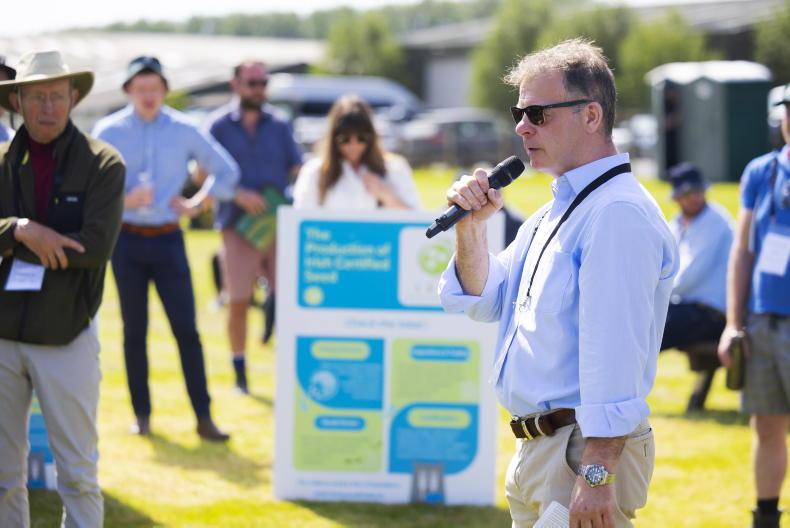
Conor Kavanagh presented the research to farmers on the day and was there to answer farmers’ questions.
Farmers were eager to find out about crop disease and fertiliser management strategies. Here are some questions asked on the day.
Is the crop susceptible to pests and disease?
Diseases have less of an impact on rye than barley or wheat. Mildew, brown rust and rhynchosporium are the three diseases which most affect the crop. It can get BYDV but it generally has a minimal impact on yield. It is also more tolerant to take-all. Research has shown that the chemical programme on rye is 50-70% the cost of a fungicide programme on winter wheat. Rye is not suitable where there is a slug burden issue as slugs cause major damage to the crop.
Are the merchants willing to take it in?
There is an opening market for rye in Ireland. The main varieties grown are for animal feed. Merchants that are selling rye are generally willing to buy back the grain, but growers need to ensure they have an end market for it. Research has shown that rye is a valuable product in animal rations. In a pig ration, rye is worth 95% the value of wheat and 85% the value of barley.
What are the fertiliser requirements?
Rye has significantly lower fertiliser requirements than other crops. The nitrogen use efficiency (NUE) is good compared to other crops, making it more cost friendly. It still has a high potassium requirement due to the long straw and the need to maintain straw strength.
Does the crop require a growth regulator?
Research has shown that two growth regulators are more than enough for the crop. Cycocel and Moddus are the best products to use.
Is the crop prone to lodging given the long straw length?
Rye is no more prone to lodging than other crops. If it does lodge, it will lodge around the first or second node, meaning that a harvester would still be able to harvest the crop effectively.
There is also the potential to get 17-20 round bales of straw per acre from a rye crop.



SHARING OPTIONS