Not too long ago in rural Ireland, the mark of a person was how early they rose in the morning.
“When I was growing up in Foxford, Co Mayo, the first thing that was said about somebody was how early they rose,” says sleep expert Tom Coleman. “That fella is up at half five in the morning.” he adds. “It was sin to be in bed.”
The root of it stems from religion, Tom explains. One of the seven deadly sins is sloth – and sleep? It’s the ultimate form of inactivity. “To be working hard and to be busy was how you achieve success in life.”
Tom has worked in sleep advice for the past decade.
Public awareness around the importance of sleep is growing, and the proclamation – “I only slept four hours last night” is now less likely to earn you a badge of honour. But in a world where everyone is mentally overstimulated, getting to the land of nod can present its challenges.
Now residing in Monksland, Athlone, as a sleep expert Tom travels the country talking to high-performance individuals and companies about the value of rest. He works with international businesses too, having recently paid visits to Italy, Saudi Arabia and Turkey.
“An organisation will come to me saying they [their staff] have a huge issue around anxiety, sleep and burnout,” Tom explains. “But it’s like there is an alarm buzzing and they are saying: ‘can you turn the alarm off?’ But the building is on fire. It’s how we’re living.”
As Tom puts it, many of us are “exhausted and guilty and drinking too much coffee and not putting boundaries in place”.
No wonder so many of us struggle to doze off. One third (33%) of the population report sleeping for six-hours or less, according to a 2024 Healthy Ireland Survey.
Sleep and farmers
Other people have a good relationship with sleep but struggle with getting enough shut-eye at different life stages. An obvious example is if you become a parent or are going through a busy period at work. The latter is particularly true for farmers as we approach calving and lambing season.
“The racing mind is the commonality that the busy person or the worried farmer might have,” Tom says. “Another negative aspect might be isolation and high levels of stress among farmers. If you’re leading an unmanaged, stressful life, then you’re not going to be getting fantastic sleep.”
Farmers also operate like shift workers, up at all hours and not getting regular sleep, especially in the lambing or calving season. They can make up for lost sleep by taking a nap in the day, but napping for more than 20 minutes is not advised, otherwise it can detract from the next night’s sleep.
Farmers do possess some advantages when it comes to sleep, however, because they work outside, and are more engaged with the environment than the average urban dweller. The physical and mental benefits of spending time outside in nature can improve sleep; so too does exposure to natural light.
“When your brain gets lots of light, you produce more serotonin [a chemical that plays a key role in regulating sleep] which, in turn, helps increase melatonin production later. The more natural light you get, the higher your melatonin levels will be,” explains Tom. Melatonin is a hormone that regulates our sleep-wake cycle.
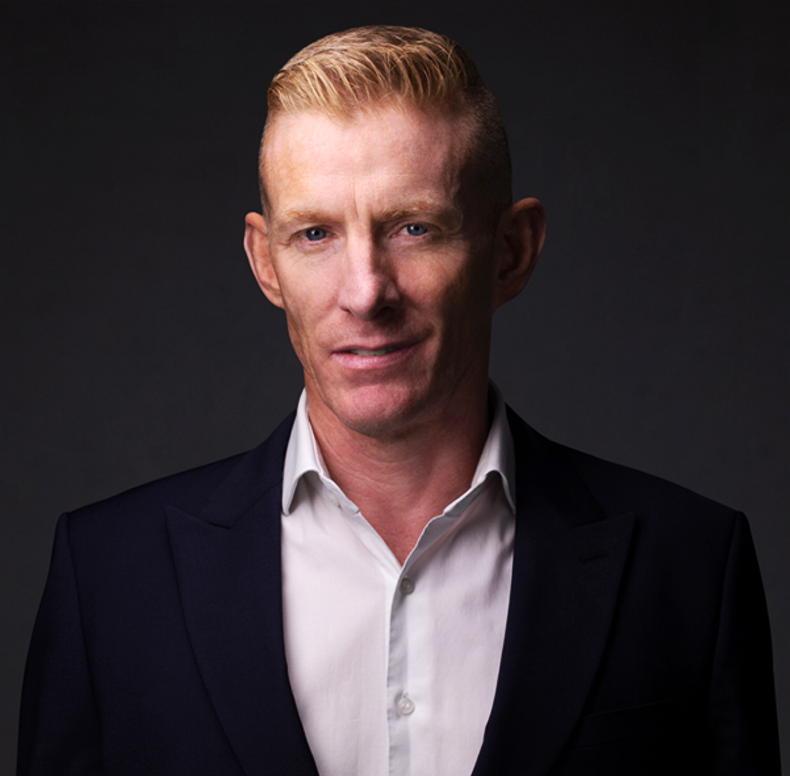
Tom Coleman has worked in sleep for the past decade.
Stages of sleep
What really happens when we sleep and why does it matter?
Deirdre McSwiney is a sleep scientist who ran the sleep laboratory in the Mater Private Hospital for 20 years. She has now set up practice as a cognitive behaviour therapist for insomnia in Co Dublin.
“I love to tell people that sleep is the simplest of our biologies in terms of running all by itself. It is linked to the turn of the planet from light to dark, sleep to wake. It runs all by itself and it’s highly structured,” she tells Irish Country Living.
There are three stages to sleep, Deirdre explains. First, when we drift into sleep and start to lose touch with the surrounding environment. “You’re stepping into sleep at that point. Your blood pressure will drop, your heart rate drops, your breathing slows down.”
After a few minutes, we push into the second stage, “a very important stage for the working of our brain.” Stage two is linked to our cognitive and psychological repair. “It’s where all our memories are consolidated. It’s where our intellectual platform is refreshed, and it’s where our emotional fragility is managed,” says Deirdre.
The third stage of sleep is what Deirdre terms “out of it” sleep.
“By stage three, you’re down in that other depth where all the other systems within the body renew and refresh themselves. Our temperature control and our metabolic rate is managed, our hormonal systems reset themselves.
“Then we push ourselves into that lovely little period of sleep called REM [rapid eye movement] which is where we dream,” Deirdre continues. “It takes roughly one hour and 20 minutes to achieve [REM sleep] in a normal cycle. And your first dream period is quite short. It’s only three to four minutes long, because you’re back up into stage two and you start that cycle all over again.”
It is those cycles that construct a whole night’s sleep, and we have about five or six dream periods throughout the night.
“Half the time we don’t even know about our dreams or remember them. And it’s not important,” stresses Deirdre.
“Dreams happen anyway. It’s not important whether you remember them. And dream interpretation, is not part of the science of sleep work.”
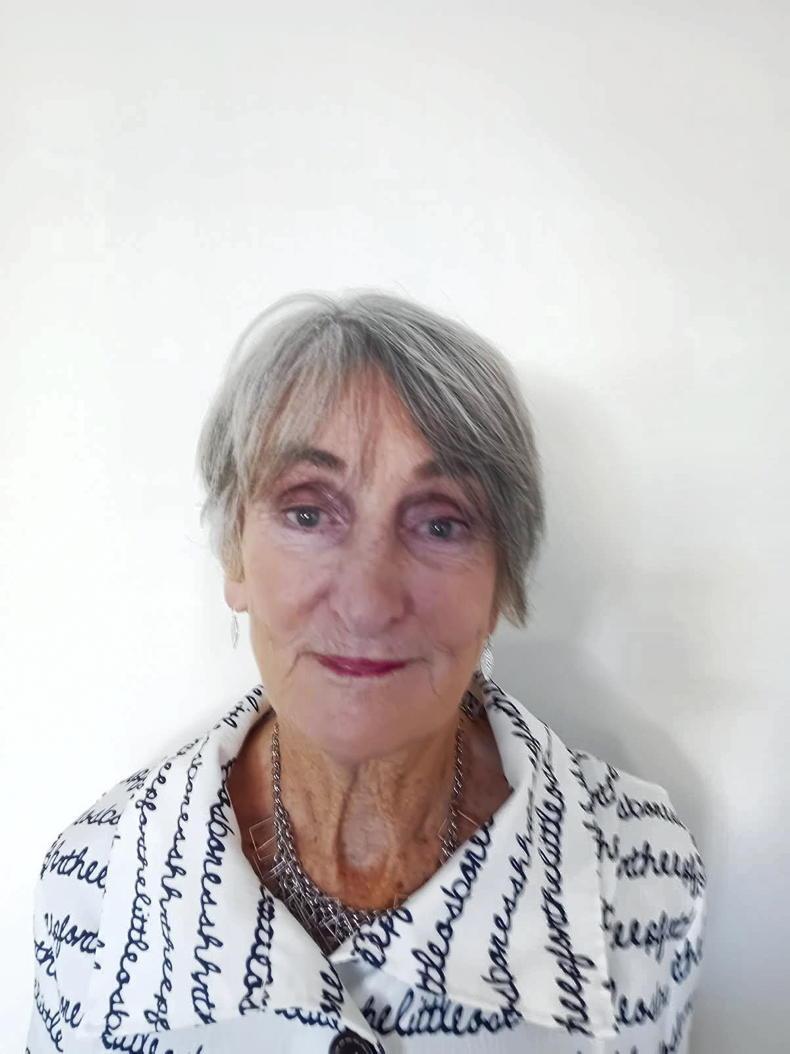
Deirdre McSwiney says our sleep is highly structured in three stages.
Tips for sleep
Between family life, work, exercising and socialising, sleep can quickly go out the window in the list of life’s priorities. But you can do little things to improve sleep, even when it is being squeezed.
For instance, Tom advises to be mindful of the impact of our diet and alcohol on our quality of sleep. “Avoid eating and drinking too much too close to bedtime, as this can be disruptive,” he says.
Despite claims that alcohol puts you to sleep, it is a depressant and is disruptive to sleep rather than restorative. “If you drink far too much, you wouldn’t actually even be sleeping. Technically you would be unconscious and that’s why people wake up exhausted after eight hours.”
If you have had a few glasses of alcohol in the evening, Deirdre recommends drinking plenty of water before bed and bringing another glass of water up to bed with you.
The other piece of good news is that sleep is a skill that we can learn. Both Tom and Deirdre share general lifestyle advice on setting yourself up well for slumber.
Aim for seven to seven and a half hours’ sleep every night. That seven and a half hours does not include the time it takes to brush your teeth, do your skincare and wind down. That means we need to factor in that time and stop certain activities (like watching the TV) before bed.
Beware of caffeine. As caffeine is a stimulant that acts directly on our central nervous system, you need to be mindful of your intake and don’t forget that products like energy drinks contain caffeine.
Nicotine is another stimulant. Those who smoke might find a cigarette or a vape before bed relaxing, “but it pushes your blood pressure and heart rate up, so it’s just going to take you longer to get yourself into sleep” explains Deirdre.
Exercise is important. “Fitter people have better quality sleep,” Deirdre says. “The only caution I have is not to exercise too close to bedtime. You need a two-hour gap when you finish exercise before bed to let the endorphins [feel good hormones that come out of exercise] settle.”
Light and noise are enemies of sleep. Use a sleep mask and earplugs to block out light and noise at night, if needed. A room that is too hot can also disrupt your sleep, leading to restless night time awakenings.
Stress management. The impact between stress and sleep is inextricably linked. Think about your strategies for managing stress and build them into your routine. Examples that Tom cites are breath work, exercise or sauna.
Screen time. Another thing to watch is the blue light emitted by electronic devices. It can throw our sleep-wake cycle out of whack. Reduce screens and eliminate them from the bedroom, if you can.
Finally, once you are in bed, practice letting go of your thoughts, says Tom. “Be patient with yourself. It takes time to break old habits around sleep and establish new ones.”
See thehealinghouse.ie/deirdre-mcswiney and tomcoleman.ie.
Not too long ago in rural Ireland, the mark of a person was how early they rose in the morning.
“When I was growing up in Foxford, Co Mayo, the first thing that was said about somebody was how early they rose,” says sleep expert Tom Coleman. “That fella is up at half five in the morning.” he adds. “It was sin to be in bed.”
The root of it stems from religion, Tom explains. One of the seven deadly sins is sloth – and sleep? It’s the ultimate form of inactivity. “To be working hard and to be busy was how you achieve success in life.”
Tom has worked in sleep advice for the past decade.
Public awareness around the importance of sleep is growing, and the proclamation – “I only slept four hours last night” is now less likely to earn you a badge of honour. But in a world where everyone is mentally overstimulated, getting to the land of nod can present its challenges.
Now residing in Monksland, Athlone, as a sleep expert Tom travels the country talking to high-performance individuals and companies about the value of rest. He works with international businesses too, having recently paid visits to Italy, Saudi Arabia and Turkey.
“An organisation will come to me saying they [their staff] have a huge issue around anxiety, sleep and burnout,” Tom explains. “But it’s like there is an alarm buzzing and they are saying: ‘can you turn the alarm off?’ But the building is on fire. It’s how we’re living.”
As Tom puts it, many of us are “exhausted and guilty and drinking too much coffee and not putting boundaries in place”.
No wonder so many of us struggle to doze off. One third (33%) of the population report sleeping for six-hours or less, according to a 2024 Healthy Ireland Survey.
Sleep and farmers
Other people have a good relationship with sleep but struggle with getting enough shut-eye at different life stages. An obvious example is if you become a parent or are going through a busy period at work. The latter is particularly true for farmers as we approach calving and lambing season.
“The racing mind is the commonality that the busy person or the worried farmer might have,” Tom says. “Another negative aspect might be isolation and high levels of stress among farmers. If you’re leading an unmanaged, stressful life, then you’re not going to be getting fantastic sleep.”
Farmers also operate like shift workers, up at all hours and not getting regular sleep, especially in the lambing or calving season. They can make up for lost sleep by taking a nap in the day, but napping for more than 20 minutes is not advised, otherwise it can detract from the next night’s sleep.
Farmers do possess some advantages when it comes to sleep, however, because they work outside, and are more engaged with the environment than the average urban dweller. The physical and mental benefits of spending time outside in nature can improve sleep; so too does exposure to natural light.
“When your brain gets lots of light, you produce more serotonin [a chemical that plays a key role in regulating sleep] which, in turn, helps increase melatonin production later. The more natural light you get, the higher your melatonin levels will be,” explains Tom. Melatonin is a hormone that regulates our sleep-wake cycle.
Tom Coleman has worked in sleep for the past decade.
Stages of sleep
What really happens when we sleep and why does it matter?
Deirdre McSwiney is a sleep scientist who ran the sleep laboratory in the Mater Private Hospital for 20 years. She has now set up practice as a cognitive behaviour therapist for insomnia in Co Dublin.
“I love to tell people that sleep is the simplest of our biologies in terms of running all by itself. It is linked to the turn of the planet from light to dark, sleep to wake. It runs all by itself and it’s highly structured,” she tells Irish Country Living.
There are three stages to sleep, Deirdre explains. First, when we drift into sleep and start to lose touch with the surrounding environment. “You’re stepping into sleep at that point. Your blood pressure will drop, your heart rate drops, your breathing slows down.”
After a few minutes, we push into the second stage, “a very important stage for the working of our brain.” Stage two is linked to our cognitive and psychological repair. “It’s where all our memories are consolidated. It’s where our intellectual platform is refreshed, and it’s where our emotional fragility is managed,” says Deirdre.
The third stage of sleep is what Deirdre terms “out of it” sleep.
“By stage three, you’re down in that other depth where all the other systems within the body renew and refresh themselves. Our temperature control and our metabolic rate is managed, our hormonal systems reset themselves.
“Then we push ourselves into that lovely little period of sleep called REM [rapid eye movement] which is where we dream,” Deirdre continues. “It takes roughly one hour and 20 minutes to achieve [REM sleep] in a normal cycle. And your first dream period is quite short. It’s only three to four minutes long, because you’re back up into stage two and you start that cycle all over again.”
It is those cycles that construct a whole night’s sleep, and we have about five or six dream periods throughout the night.
“Half the time we don’t even know about our dreams or remember them. And it’s not important,” stresses Deirdre.
“Dreams happen anyway. It’s not important whether you remember them. And dream interpretation, is not part of the science of sleep work.”
Deirdre McSwiney says our sleep is highly structured in three stages.
Tips for sleep
Between family life, work, exercising and socialising, sleep can quickly go out the window in the list of life’s priorities. But you can do little things to improve sleep, even when it is being squeezed.
For instance, Tom advises to be mindful of the impact of our diet and alcohol on our quality of sleep. “Avoid eating and drinking too much too close to bedtime, as this can be disruptive,” he says.
Despite claims that alcohol puts you to sleep, it is a depressant and is disruptive to sleep rather than restorative. “If you drink far too much, you wouldn’t actually even be sleeping. Technically you would be unconscious and that’s why people wake up exhausted after eight hours.”
If you have had a few glasses of alcohol in the evening, Deirdre recommends drinking plenty of water before bed and bringing another glass of water up to bed with you.
The other piece of good news is that sleep is a skill that we can learn. Both Tom and Deirdre share general lifestyle advice on setting yourself up well for slumber.
Aim for seven to seven and a half hours’ sleep every night. That seven and a half hours does not include the time it takes to brush your teeth, do your skincare and wind down. That means we need to factor in that time and stop certain activities (like watching the TV) before bed.
Beware of caffeine. As caffeine is a stimulant that acts directly on our central nervous system, you need to be mindful of your intake and don’t forget that products like energy drinks contain caffeine.
Nicotine is another stimulant. Those who smoke might find a cigarette or a vape before bed relaxing, “but it pushes your blood pressure and heart rate up, so it’s just going to take you longer to get yourself into sleep” explains Deirdre.
Exercise is important. “Fitter people have better quality sleep,” Deirdre says. “The only caution I have is not to exercise too close to bedtime. You need a two-hour gap when you finish exercise before bed to let the endorphins [feel good hormones that come out of exercise] settle.”
Light and noise are enemies of sleep. Use a sleep mask and earplugs to block out light and noise at night, if needed. A room that is too hot can also disrupt your sleep, leading to restless night time awakenings.
Stress management. The impact between stress and sleep is inextricably linked. Think about your strategies for managing stress and build them into your routine. Examples that Tom cites are breath work, exercise or sauna.
Screen time. Another thing to watch is the blue light emitted by electronic devices. It can throw our sleep-wake cycle out of whack. Reduce screens and eliminate them from the bedroom, if you can.
Finally, once you are in bed, practice letting go of your thoughts, says Tom. “Be patient with yourself. It takes time to break old habits around sleep and establish new ones.”
See thehealinghouse.ie/deirdre-mcswiney and tomcoleman.ie.






SHARING OPTIONS