



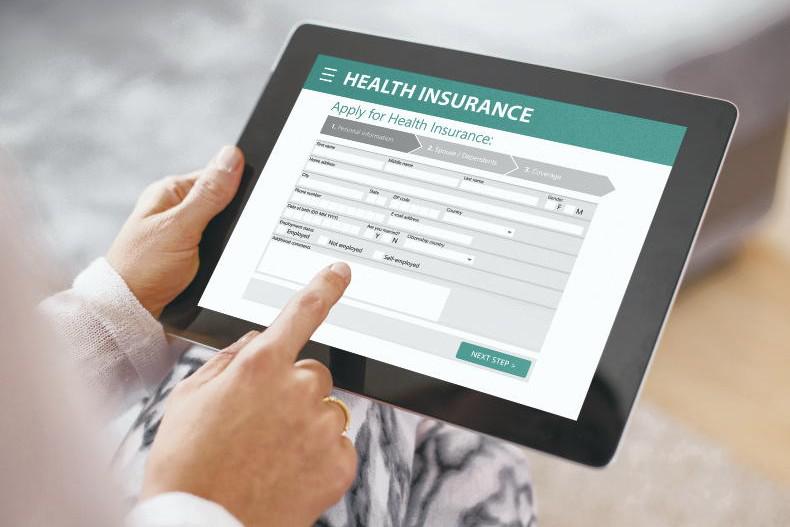
I’m a 33-year-old farmer from Co Limerick and I’ve recently been looking into health insurance. I’ve never had it but my parents suggested that I see what is out there.
It’s not something I had considered because I am active with no underlying medical conditions, and to be honest, I’m not sure where to even start. What are my options and what are the best plans out there for a young person who is (touch wood) healthy and well?
- Martin, Co Clare
ANSWER: Your experience is one that many 30-somethings can relate to. At your age, people tend to have less surplus income – maybe they’re saving for a house deposit – and health insurance is not top of the list.
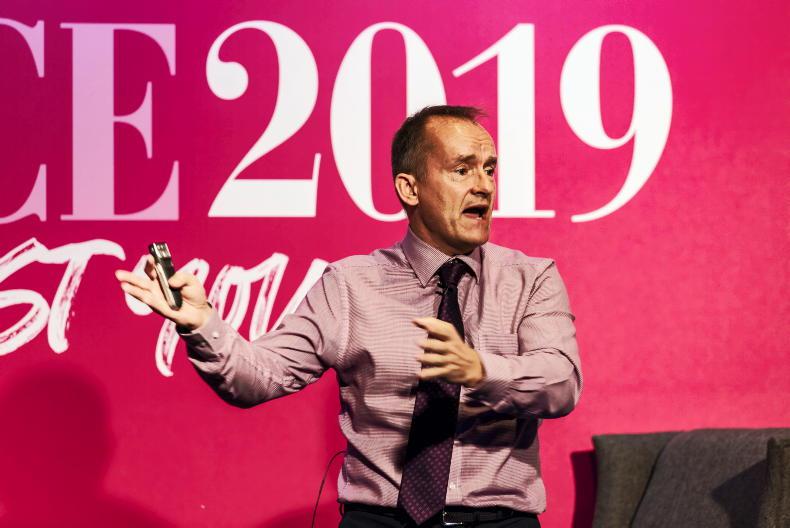
But according to Dermot Goode, leading health insurance expert and founder of healthinsuranceireland.ie, younger people should consider health insurance for two main reasons: access and choice.
“For young people, it’s not about the big-ticket hip replacements and heart surgery. It’s access to routine stuff like MRIs and routine check-ups,” says Dermot.
“The second thing is choice. With private health insurance, you can call the shots – when you get it done, where you get it done, and so on.”
Another important (and often unknown) reason why younger people should consider health insurance early is because of the Lifetime Community Rating. This is also called ‘age loading’ and it is where insurance companies add on an extra 2% loading on top of the cost of your premium for every year over the age of 34 when you did not take out health insurance.
For example, a person who takes out health insurance when they are 40 years old is six years over the threshold. They will be charged an extra 2% for every year over 34, which totals at an extra 12% over six years.
“There’s not a strong awareness about age loading,” Dermot adds. “And that loading applies every year for 10 years.
“The second thing that people aren’t aware of are the waiting periods for pre-existing conditions. What happens a lot is people wait until they develop a problem and then think about health insurance.
“If you join with a pre-existing problem, like a stomach problem or God forbid a tumour, you are not covered in hospital for five years for anything to do with that medical problem.”
Available plans
Health insurance plans vary considerably from €500 to €1,700 per year. Notably, prices have been rising across the market with the three health insurance providers – VHI, Irish Life Health and LAYA Healthcare – announcing two price increases each this year.
The type of plan you go for depends on what you can afford.
An entry level plan costs €500 per year. This only covers public hospitals.
One step up is a mid-level plan. These cost €1,000-€1,200 per year and will cover you in public and private hospitals.
Many providers offer what Dermot describes as “good mid-level plans”, including:
The top tier plan is one which costs upwards of €1,500-€1,700 per year.
“The best plans on the market are what we call corporate schemes,” Dermot explains. “They will cover you in public and private hospitals. They also give you money back on your routine medical expenses, like your GP or physiotherapist.”
“I’d say 90% of people that I’ve been advising over the last 20 years are on corporate plans.”
Regardless of the plan, Dermot advises readers to ring their insurance provider.
“Phone the health insurance company, tell them what your budget is and then challenge them to find you the best plan that fits your budget. If consumers don’t engage with insurance companies by phone, it’s not going to work. You will not find the best deals doing it yourself.
“The budget will determine exactly what direction the conversation goes,” Dermot explains. “But our guide is you have to try and stretch your budget to €100 per month. That’s €1,200 for the year and that gets you decent standard of cover.”
See more healthinsuranceireland.ie.






SHARING OPTIONS