


The genetics of a herd of cows is one of the key drivers of profitability on dairy farms.
Farms with poorer genetics and a low economic breeding index (EBI) have been shown time and again to be far less efficient and profitable when compared with herds with superior genetics.
Fixing this problem can take a long time if a farmer is breeding their replacements from within the herd. No matter how high the EBI of the bull team is, the calf will inherit half its traits from its dam.
Therefore, continuing to breed from cows with low genetic merit, regardless of the bulls used, will still result in a slow rate of genetic gain.
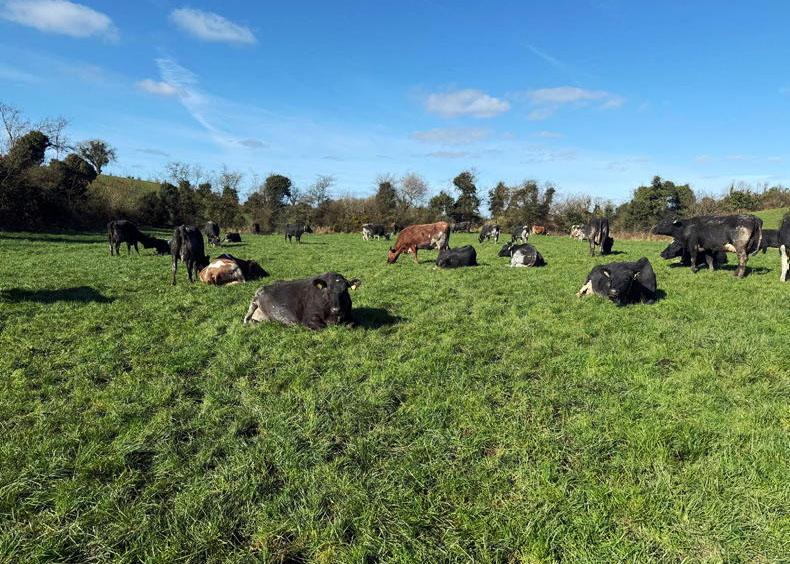
In this edition of 'Twenty ways to spend €20,000', we’re looking at the option of replacing the bottom 20% of the herd based on genetic merit and performance with heifers of excellent genetic merit.
Alternative
The alternative to continuing to breed replacements from within the herd is to purchase good heifers from another farm.
In doing so, a farmer could quite easily go out and source animals in the top 10% nationally for EBI and genetic merit at a similar cost to what it would be to rear their own replacements.
If this was done for five years at a 20% replacement rate annually, the herd would be completely transformed in a short period of time.
As the number of new animals in the herd starts to grow year on year, the farmer can start breeding their own replacements again, but now the calves will be off higher merit cows.
There are some disadvantages of course, the main one being the disease risk associated with bringing in animals from outside the herd.
TB, for example, is a big worry for farmers at the moment. Unfortunately, this is a risk that one must be willing to take.
Costs
The cost of purchasing top-class heifers with excellent genetics this year is around €2,500/animal. This figure is inflated on normal years, but the upside of these high prices is that heifers of poor genetic merit are still fetching over €2,000/animal.
If we take a farmer who has 20 of these low-merit replacements, in-calf and due in spring 2026 as our example.
The heifers have an EBI of €130 on the updated EBI figures, which is slightly below average for animals born in 2024. This group of heifers can be sold for a value of €2,000 each, giving a total value of €40,000 for the group.
This farmer has heard of an excellent group of in-calf heifers for sale on a nearby farm that are valued at €2,500/heifer. The group has an EBI of €230, putting them in the top 5% for 2024-born heifers.
Purchasing this group will cost the farmer a total of €50,000, giving a cash difference of €10,000 if the farmer sells their own and purchases the high-EBI group.
Return
These superior heifers will have the capability to produce more milk solids, they will have better fertility, lower maintenance and, as a result, a greater chance of survivability in the herd.
Going off the basis that for every €1 increase in EBI, an animal will return €2 more profit, these heifers could earn the farmer at least an extra €200/heifer each year.
At €200/year for 20 animals, that’s a total of €4,000 in extra profitability generated from the group.
After five years of the same process, the herd will be completely transformed. In a herd of 100 cows with the superior genetics, the increase in profit could be €20,000/year.
If there is an extra cost of €10,000/year to purchase the 20 high-EBI heifers and the annual increase in profitability is €4,000/year, the payback time of the investment is just 2.5 years, with a return on investment (ROI) figure of 40%.
After three years of purchasing heifers, over 50% of the herd will be high-genetic merit and the farmer will be able to start breeding good replacements from within the herd again.
My rating
Good genetics in a herd is a key asset to the business.
The extra profit generated from highly efficient animals is something every farmer should be going after in my opinion. The only major risk with this process is that a farmer could be bringing a disease risk on to the farm.
It would be important to quarantine these heifers for a period of three to four weeks at a minimum and ensure that they are coming from a farm with good health status.
All things considered, I see this as an excellent way of transforming a herd of cows and significantly improving profitability and, therefore, I’m giving this investment a 5/5 rating.



SHARING OPTIONS