Kerry beat Kildare in the 1926 All Ireland senior football championship, while Cork beat Kilkenny in the All-Ireland Senior hurling championship.
With that line-up, you could be forgiven for thinking things never change, but Ireland was a very different place in 1926.
Ireland had a population of just under 3 million, 2.5m fewer than today. The fledgling State in 1926 had a life expectancy of 57 years for males and 58 years for females.
People in agricultural occupations made up the majority of the workforce in 1926, accounting for 51% of all workers. By 2022, this had fallen to almost 4% of those at work.
Where it began
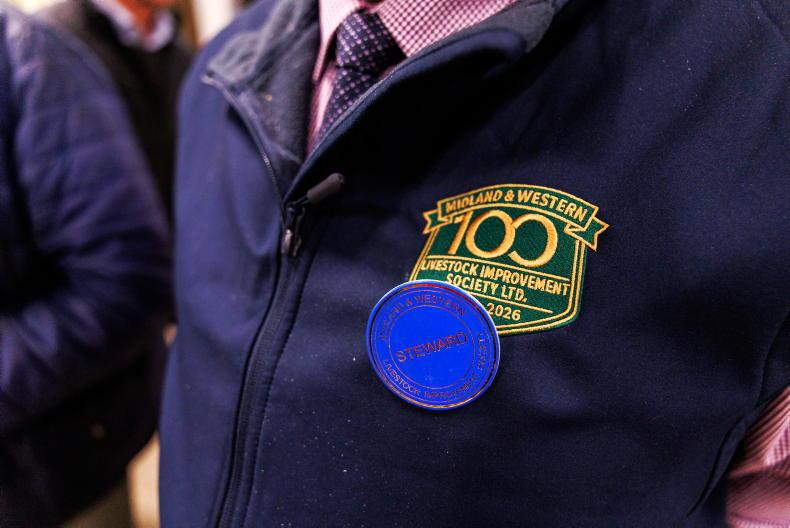
It was against this backdrop that a group of progressive farmers came together from counties Leitrim, Roscommon and Sligo to set up the Midland and Western Livestock Improvement Society in 1926.
They had help from the then Department of Agriculture which saw merit in promoting the breeding of quality pedigree bulls to improve the productivity of commercial cattle herds and raise farmers’ incomes and living standards.
Records show an Aberdeen Angus bull being sold for £11 in 1937. The people that buy and sell in Carrick today owe a great deal to the many farmers and leaders who had the foresight to develop the sales yard and maintain it over the last 100 years.
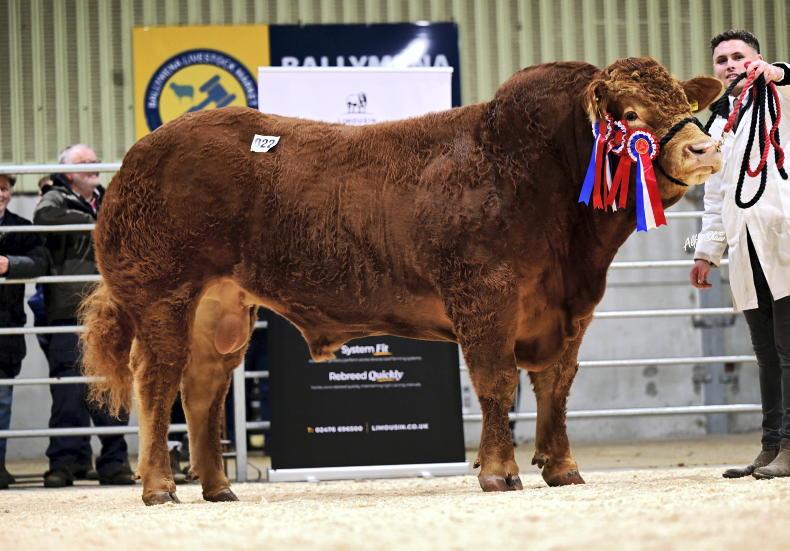
There have been many notable animals sold through the ring in the last 100 years, with the highest-priced pedigree animal, Lavally Angie, an Aberdeen Angus heifer bred by the Mullolly family from Co Roscommon selling for €31,000 in 2005.
Present day
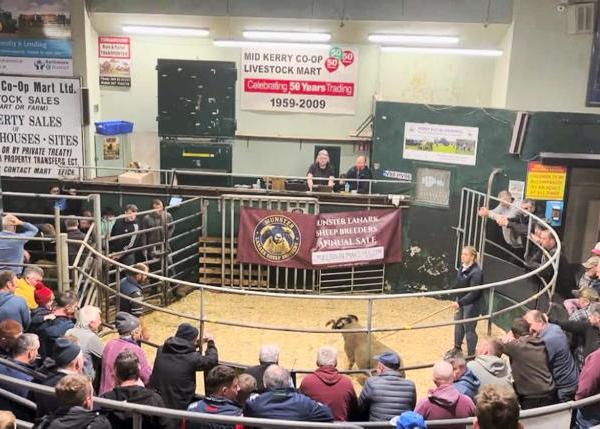
The sales yard in Carrick-on-Shannon was packed to the rafters last Friday evening for the special autumn show and sale of pedigree bulls and heifers to celebrate 100 years of the Midland and Western Livestock Improvement Society.
A remarkable achievement given that it’s essentially a voluntary organisation, with members giving up their time to attend meetings, serve on the committee, prepare the sales yard for various events and put a shoulder to the wheel on sale days.
FBD Insurance supported the event through the sponsorship of the souvenir catalogue that was produced on the night, and leafing through it over the weekend brought back many memories for me of attending sales in Carrick over the last 30 years.
Many characters have come and gone over that timeframe, but the genuine atmosphere that only Carrick has is still there.
A new era
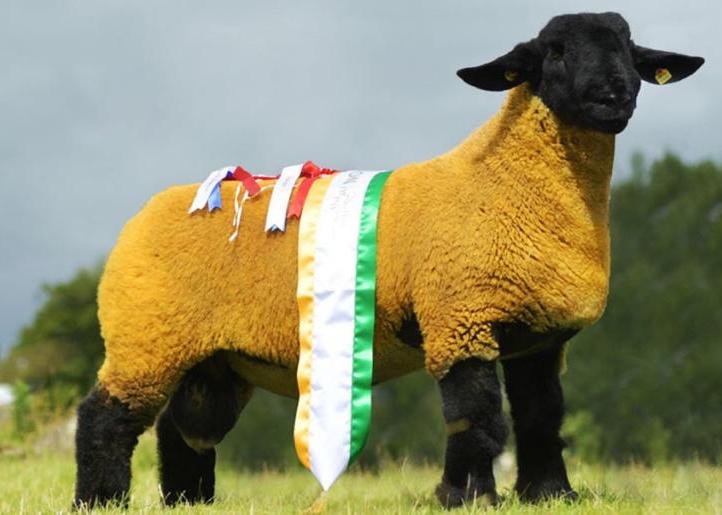
A new generation of young people has taken the helm, and with that has come change. That change has seen the sales venue become very popular for both pedigree and commercial sheep sales.
The enormously popular Winter Fair, now in its 22nd year, is also one of the most talked about events of the year in the commercial cattle calendar, with entries filling up in a matter of hours for this year’s Winter Fair, which takes place on 16, 22 and 23 November.
Like many other marts around the country, it has endured many challenges over the years including foot and mouth disease in 2001 and the COVID-19 pandemic, which saw all sales move online.
The sales yard didn’t escape storm Éowyn, with the roof of the auction ring blown off. They emerged out of all the challenges stronger and now operate one of the go-to places to sell pedigree cattle in Ireland.
Chair of the FBD Trust Michael Berkery spoke on the night of the recognition there is right across Europe of the quality of cattle breeding in the west of Ireland.
The Irish Farmers Journal has always been a huge supporter of the Midland and Western Livestock Improvement Society. We are delighted to partner with them with our online bidding platform, MartBids and wish them every success in the next 100 years of cattle and sheep sales in Carrick-on-Shannon.