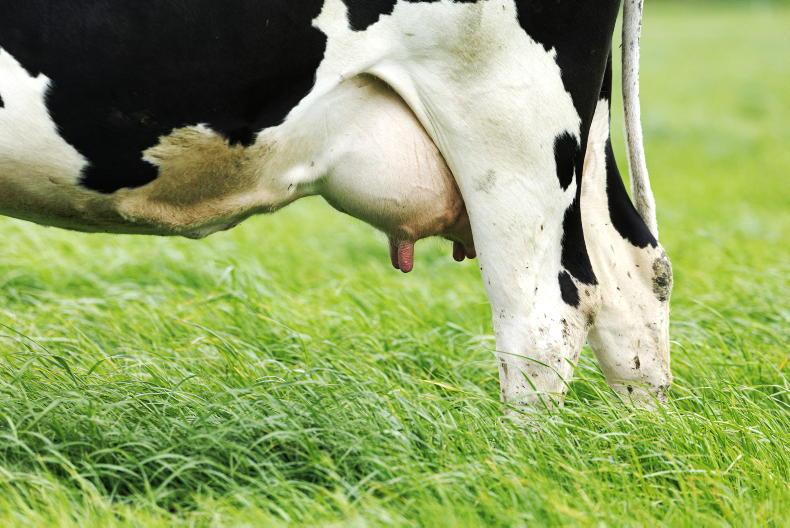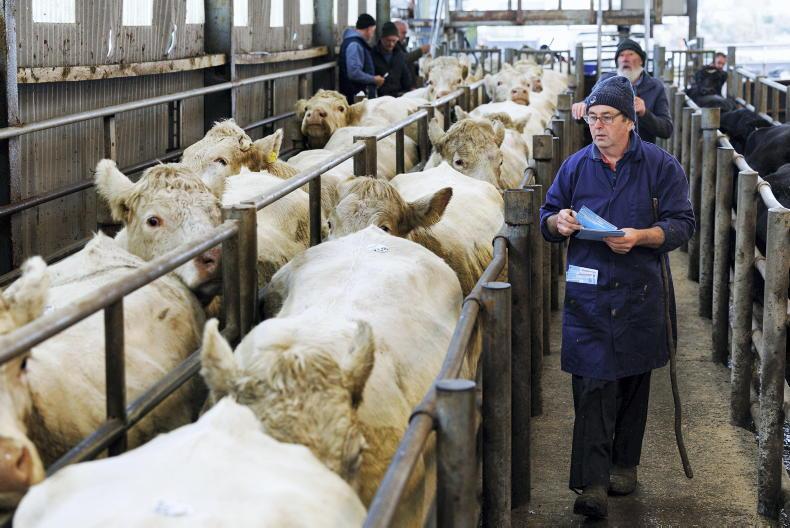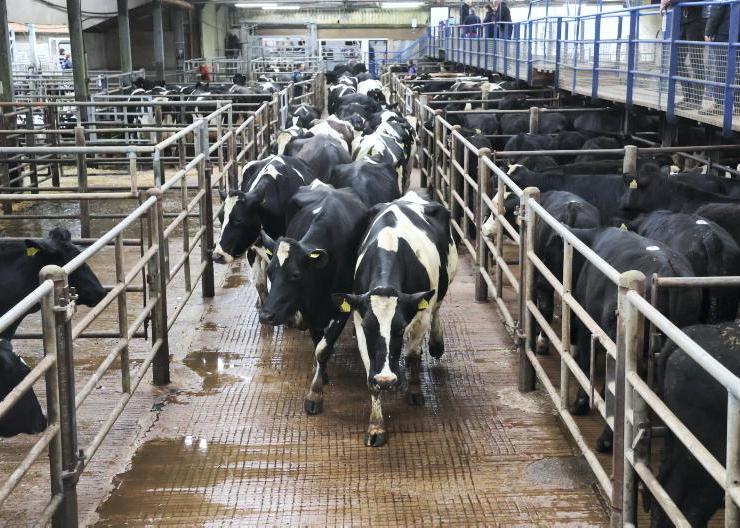
One thing about growing up cattle farming, if we pass a field of cows on any given journey, they will be of far more interest to us than they are to the average traveller.
Whether we do it intentionally or not, a stockman’s eye is usually thrown over them and, in a few seconds, we will assess age, condition and quality, whereas most passengers simply enjoy the scenery, yet another field with farm animals.
I mention this as I happened to take the train to Sligo last weekend, which allowed me ample time to look out over the surrounding fields, and there was a world of both cattle and sheep still out, happily grazing away.
Rare spare time
Spare time is a rare commodity for me these days, so I made the most of a sleeping baby to enjoy the late autumn countryside without the usual driving rain diminishing my view.
Certainly an anomaly for this part of the world as, most years, the ground is saturated and cattle sheds begin to fill by the middle of October.
If this winter can continue as it started, we might finally be in for a cold and frosty season, which is much more enjoyable than the endless rain which we seem to have had in the last few years.
Back indoors
The summer drought certainly stood to us in the west as fields remain in better condition now than they were back in May, though our grazing season came to a sudden end at the beginning of this week with an evening of sleet, followed by a night of heavy rain.
Even though we still have a couple of fields with a good covering of grass, it was decided to bring all indoors on Monday morning.
The cattle had, conveniently, placed themselves right beside the shed door, so grazing 2026 was finished up in record time as they walked right into the empty pen and settled in with zero fuss – unless you count the usual argy bargy that goes on between the more dominant cows as they work out the winter pecking order.
Leave them out again, if we can
Two dry cows are currently being fattened in the shed, and if the weather dries up, they will be let back out to a small field, so the pen can be used to wean the four replacement heifers.
Even though we have plenty of space in the shed, we also need to plan ahead for the two heifers, which are due to calve next week, especially as one is already showing signs of springing.
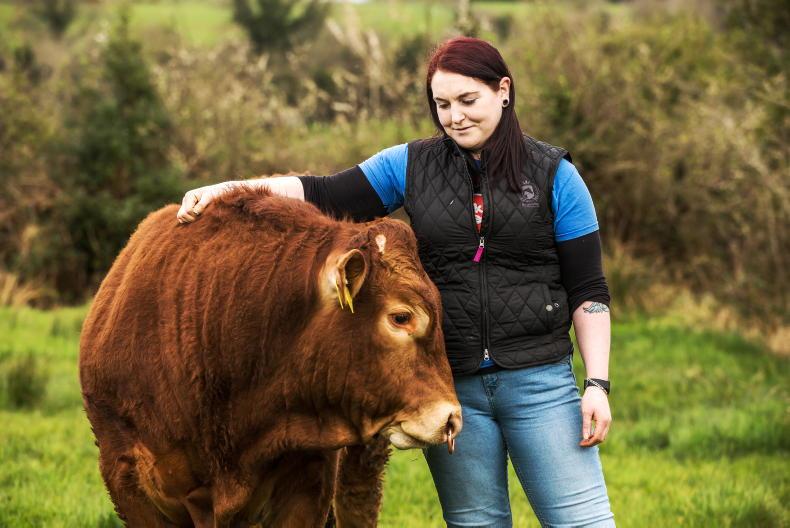
For now, the only animal remaining outside is the young bull as it’s past time to begin quietening him down for sale in spring – though he already stands quiet in the yard when the comb is produced.
During the week, someone asked about his breeding, which led to a conversation about the docility figure of bulls in AI. To be honest, it’s never something I’d look at as, to me, the cow’s nature has a far larger impact on how a calf will develop and they will also watch and learn from the herd around them.
Rarely troublesome for us
Now, I’m sure it does have some influence as even I’ve heard stories about a few past bulls that consistently bred wild stock, especially in the Limousin breed, as they didn’t get their flighty reputation for nothing.
However, in all the years they’ve been bred here, we’ve rarely found them troublesome to work with, as long as you can make them think they’re making all the decisions about where to go, what to do and when they’re doing it.
Well, it’s either that or bribery with a bucket of nuts being rattled in front of them – which works most of the time.