



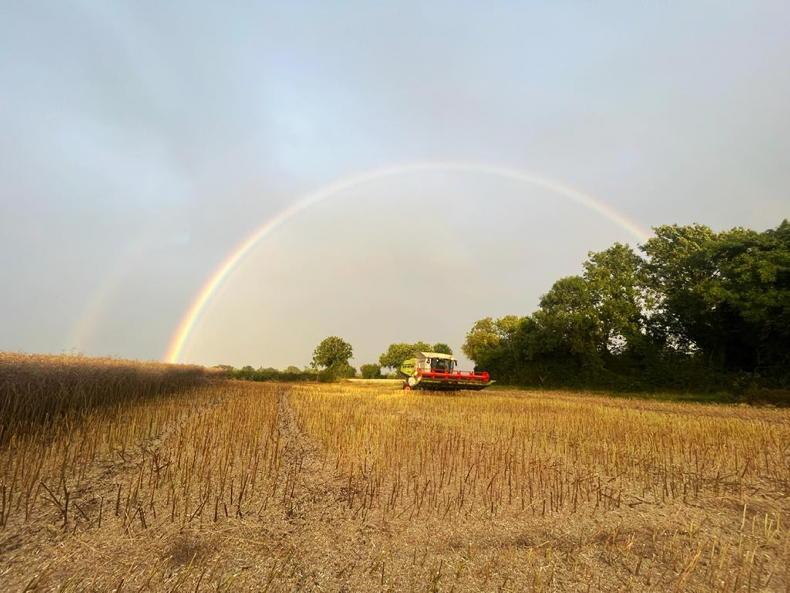
The spring barley harvest has begun and, thankfully, crops are generally looking better in the tank and trailer than they did while standing.
Mind you, that is not a very high bar, for crops have looked middling to terrible as 2023 threw wet, drought, heat and then more wet at grain crops. It also has to be remembered that the crops being harvested between the showers and downpours were the earliest sown, back in the window provided by nature in late February/early March.
Most spring crops were sown much later, right into mid-May, and are likely to yield less well. Add in the fact that the best crops have broken down badly following heavy rain. A lot of this year’s crops had ‘bad backs’, having shot up from six inches to three foot tall in a matter of days when the May/June drought finally broke.
Add in the lack of growth regulator applied to stressed crops and we have a recipe for crops unable to cope with heavy rain.
So, the overall yields from this year’s crops will range from unexciting to near disastrous, mirroring the poor harvest of winter barley.
Straw yields are again poor, and a lot of winter barley straw remains in rows, awaiting a settled period of weather to dry and bale it.
All this in a year where tillage farmers have record input costs. The sharp drop in fertiliser prices in May came too late for them, as all but late nitrogen application had already been purchased and applied.
The instability in the Black Sea, coupled with the falling harvest forecasts across the northern hemisphere, have underpinned a sharp rise in grain prices over the last two weeks, so it seems that tillage farmers may escape with their shirts on. But it is going to be, at best, a close shave.
Grain farmers can’t continue to play Russian roulette with fluctuating input costs and grain prices. Not with land prices and interest rates both doubling.
Farmers face using less fertiliser and pesticides too. And merchants can no longer afford to act as unofficial lenders to tillage farmers.
Farmers are able to sell grain forward, but there are only small windows where prices would achieve break even at average yields.
And with our weather becoming more extreme and unpredictable – a record wet July following a record hot June – we may need a reorganisation of the whole sector to prevent its implosion.
With almost all Irish grain utilised here at home, the animal feed, food ingredient, malt, distilling and brewing sectors may have to strengthen and formalise links with growers through co-ops and merchants.
This year should be regarded as a stern warning from the future.



SHARING OPTIONS