Balancing farmers expectations is always difficult. Balancing when significant policy changes are in play makes it more difficult. Did the minister get the balance right this week? Tillage farmers are disappointed. Sheep farmers are probably more hopeful, and the continuation of the National Dairy Beef Welfare Scheme is noteworthy.
The minister suggests suckler farmers should be happy to get what they got last year. Farmers affected by the ongoing Nitrates debacle didn’t get much by way of compensation. Most farmers queuing to get into ACRES are likely to be disappointed, as it looks like there will only be about 4,000 additional spaces available this autumn.
As the first details of Budget 2024 emerge, many of the finer points are yet to come. Will proposed budget allocations involve farmers spending money to get money? We don’t know yet.
The suckler farmers will be watching with interest to see if the €50 per cow switch from BAR to State funding on top of the SCEP will bring additional conditions attached that mean the money doesn’t stay with the farmer.
The finance bill will bring more clarity when it is published. Timely, prompt action on these investment proposals and schemes is important rather than ‘a waiting game’ halting existing planned projects.
The minister moved to take some of the tax incentives away from some non-farmers buying land, suggesting land needs to be owned for seven years before availing of tax incentives. This is an attempt to cool land price and reduce the attractiveness of land purchase for investors over active farmers.
Is it likely to succeed? I don’t think so – many business investors are more concerned with agricultural tax reliefs than income tax reliefs. In addition, often the drive to acquire this land is much more of a long-term strategy for wealth transfer within the businesses.
It was unusual to see retirement relief extended to farmers from the current cut-off threshold at 65 to 70 years of age. The drive and discussion in recent years has been to try and stimulate more farm transfers to the next generation earlier rather than later in life.
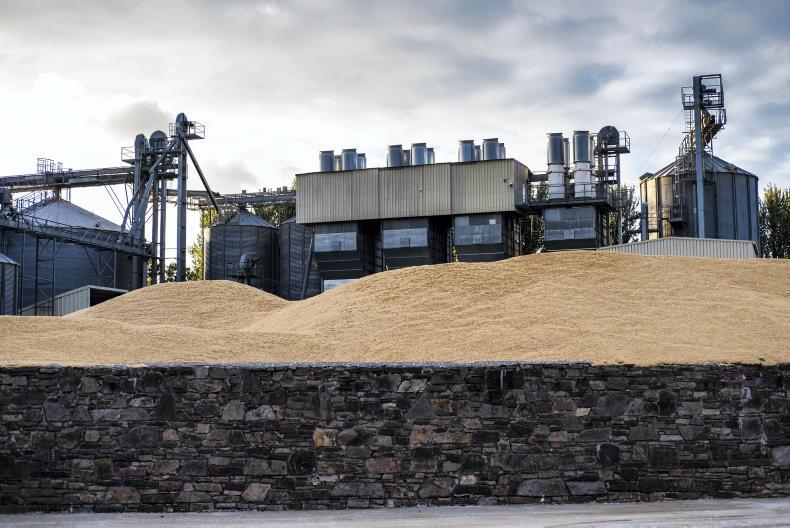
Tillage farmers are unhappy that the funding to the sector is reduced from last year. The Tillage Incentive Scheme of €10m last year was BAR funded – this source of funds is now gone. A new €8m fund has been created, but as yet no detail is available on how tillage farmers will draw this down.
The minister suggests this new €8m fund, the straw incorporation measure, plus the protein crop incentives and the increased grant aid for those that want to invest in slurry storage is good news for the sector. On the back of a disastrous harvest in 2023, no matter what the minister announced it was going to pale into insignificance relative to the losses incurred by tillage farmers.
Announcing a capital investment scheme for farmers struggling to see a long-term vision for tillage and finding it hard to pay 2023 bills isn’t going to spread positive vibes among tillage farmers.
If there was a surprise omission from Budget 2024 it is probably the fact there was little by way of funding for capital grants for anaerobic digestion (AD) plants, which were widely acknowledged as necessary to kick start AD plants.
Yes the €14 billion ‘Nature fund’ might provide an opportunity for agriculture, subject to legislation changes, but again the AD and biomethane sector must sit and wait.
The minister claims the total spend in the budget is up €300 million from when he took office. However, core spend if we exclude the BAR, COVID-19 and Ukraine war funding specials is up 3.1% on last year.
Assuming inflation of 5%, it means current spending is not keeping track of inflation which means, in overall terms, it is a spending cut in real terms. Outside of the core sectors, was there anything that incentivised investment in a strategic vision for alternative income sources for farmers? Aside from the much discussed forestry and organics schemes, probably not.