


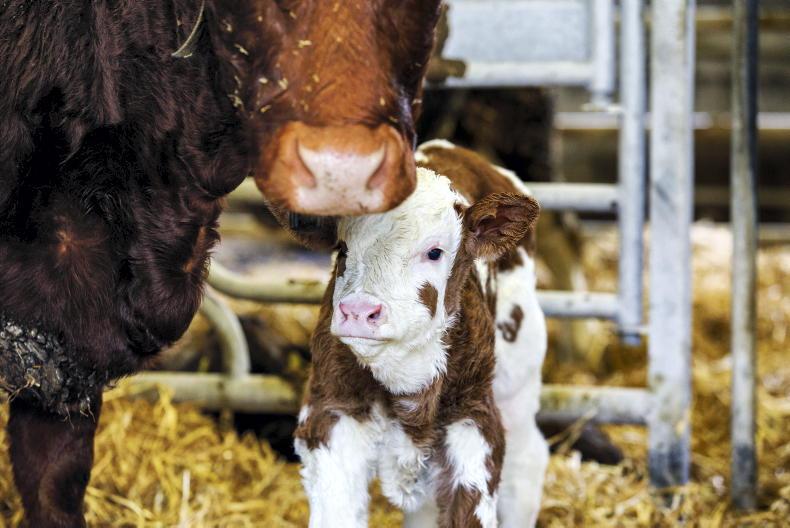
Adherence to animal identification and movement rules is a key requirement under what was formerly known as cross-compliance and was replaced in the current CAP by conditionality. Whatever the name, the rules boil down to herd owners/keepers farming within the regulations, or risking a sanction on their direct payments.
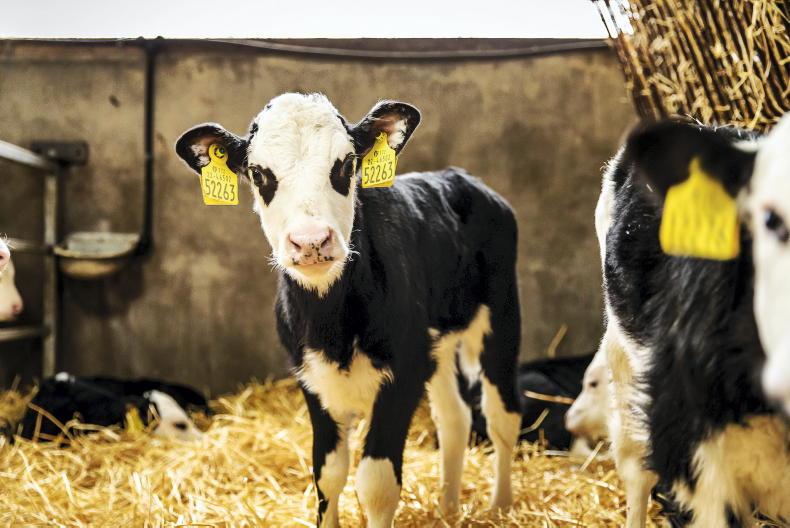
The most common non-compliances identified during inspections regarding bovines are tagging irregularities, where cattle may be missing tags or not tagged within 20 days of birth, while on the paperwork side, common issues are passport discrepancies and a failure to notify births within 27 days, movements or deaths or maintain required records.
It is a similar case with sheep, with common issues pertaining to lost or incorrectly tagged sheep and a failure to maintain an up-to-date flock register.
It is easy to see how such issues arise with the level of bureaucracy and paperwork in day-to-day farming and scheme compliance increasing over the last decade. It can be hard to get to grips with records and let them slip, but an effort to bring records up to date will pay dividends.
The MyAgfood.ie facility is a step in the right direction in providing more information to allow farmers to monitor numbers and farm within nitrates limits, with some beneficial features outlined on page 49.
Ordering tags in advance of when they will be needed is a job that can be ticked off in good time. Page 48 summarises tag costs and includes valuable information from tag suppliers. The National Genotyping Programme is due to conclude at the end of 2027. On page 45 Aidan Brennan gives an update and looks to future prospects for the initiative.
After 13 years of mandatory tissue-tag testing the BVD programme continues. Page 44 summarises performance in 2025 in Ireland and looks at the next steps for the programme, including in Northern Ireland. Dog attacks are increasing in frequency and severity and an important 10-point plan for reporting attacks is detailed on page 46.




SHARING OPTIONS