


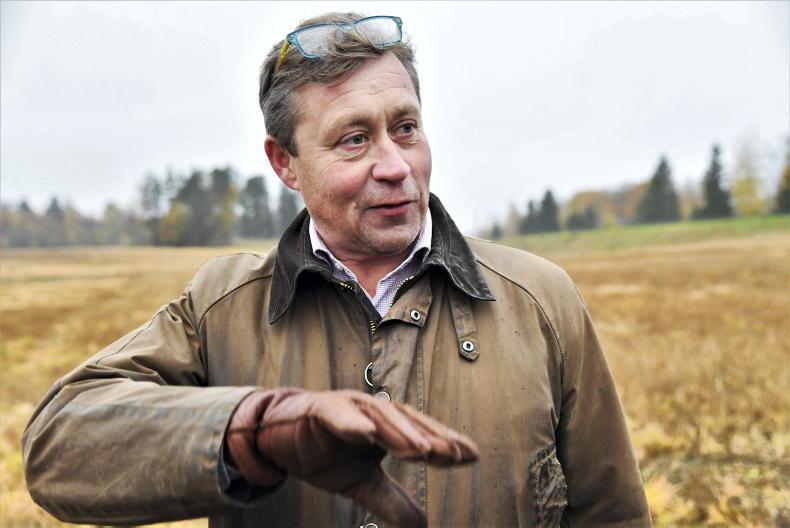
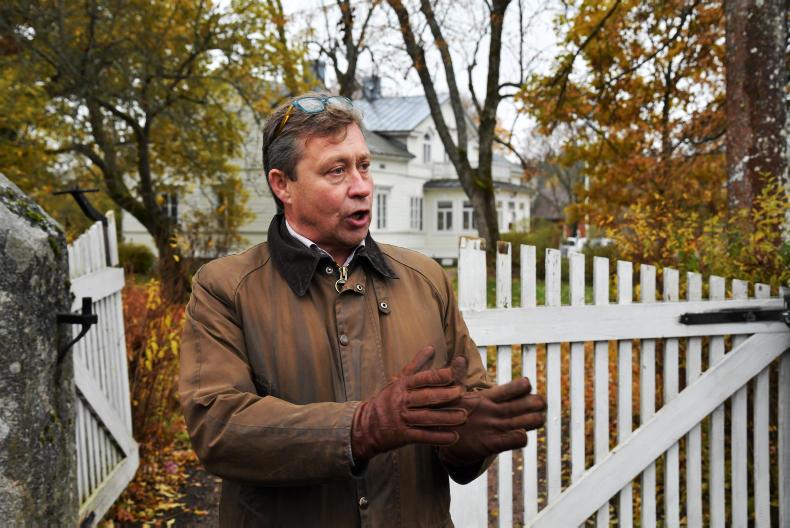
Tell us about your family farm?
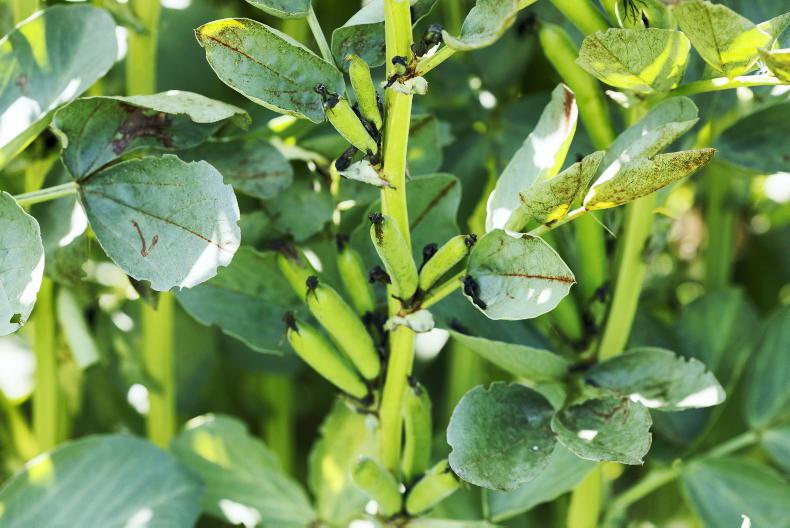
Stor-Tötar farm has been in my family for over 400 years. I took over the farm from my father in 1986 and I run it as a forestry and arable farm today. I used to have 350 head of cattle but I got out of beef in 2001. I have 110ha (270 acres) under the plough and I have around 200ha (495 acres) of forest. The main crop I grow is oats. I grow regular oats, milling oats and a lot of gluten-free oats. On top of that, I grow beans and oilseeds and I’ve also started to plant clover and grass in my rotation, which I will bale into silage and sell to nearby dairy farmers.
Listen to "Finland's 'green gold' forestry under threat from EU" on Spreaker.
How has the 2019 harvest been in Finland?
It’s been a good year, even if the spring was a little bit dry. On average, we’ve got very good yields from crops. Oats had their best yield in 15 years at more than 6t/ha (2.4t/acre). It was a good-quality and heavy crop this year. Prices are also pretty good this year. For high-quality milling oats Finnish farmers will get about €150/t delivered to the mill this season. If the oats have high protein levels above 14%, this would also attract a premium. For gluten-free oats, you can expect to receive a premium of between €50/t to €80/t on top of the base bringing prices close to €230/t.
How big is oat production in Finland?
Finland is the largest producer of oats in the EU and we are the second largest exporter of oats in the world behind Canada. Oats grow very well in Finland and have become a cash crop for Finnish farmers. Traditionally, wheat and malting barley was grown in these regions but, increasingly, farmers are switching more and more to oats.
Oats are on trend now as a health food for consumers and demand is growing rapidly. Oats will be the next Nokia in Finland.
What is the mood in Finnish agriculture today?
The sector is starting to pick up but for the last four years it has been really tough times for Finnish farming. The sector has been struggling. First of all, the Russian ban on EU food imports hit Finland’s dairy sector hard and this had a big knock-on effect. Similar to the rest of Europe we’ve also seen our costs of production continue to rise. Fertiliser prices are very, very expensive here in Finland because we have only one big player, Yara, in the market. Internal politics have also hurt Finnish farmers. The last two governments in Finland have cut the budget for agriculture quite heavily and reduced domestic subsidies. We feel we still need these subsidies to make a profit and remain competitive compared to the rest of Europe.
How important is forestry to Finnish farming?
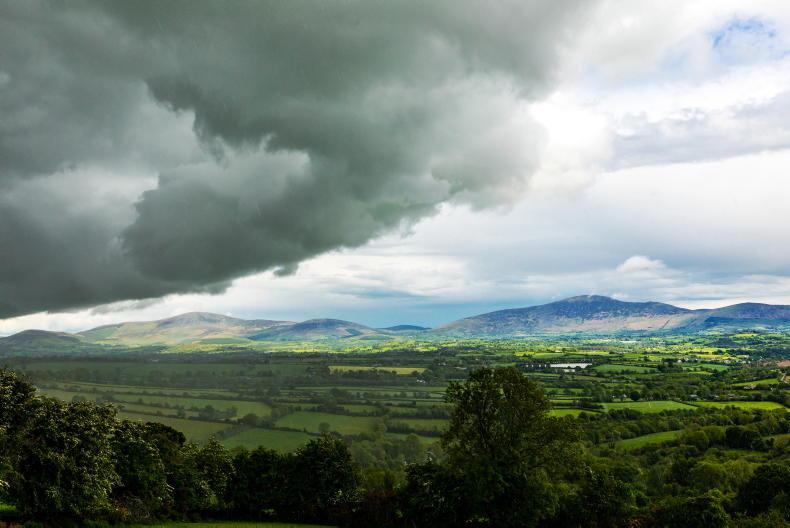
Forestry is our green gold in Finland. We’re still hugely dependent on forestry. The whole Finnish economy is based on forestry and it still accounts for 20% of GDP. Finland is the most forested country in Europe with over 70% of the land afforested. There are about 20m hectares of productive forestry in Finland and more than 350,000 forests owned privately. Since the 1970s, the area of forestry has stayed the same but the production of timber has almost doubled to 143m cubic metres per annum.



SHARING OPTIONS