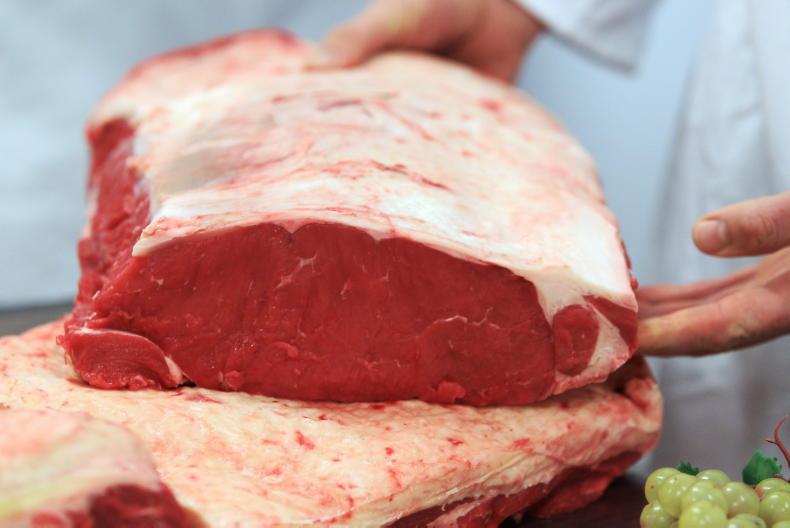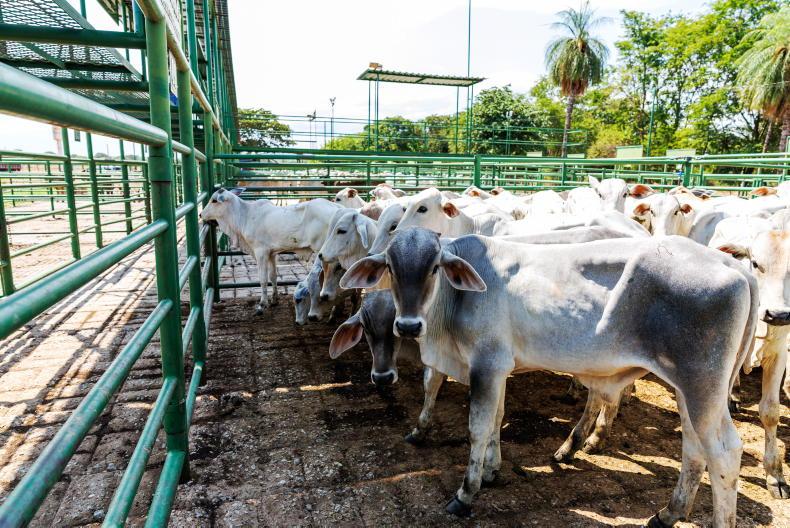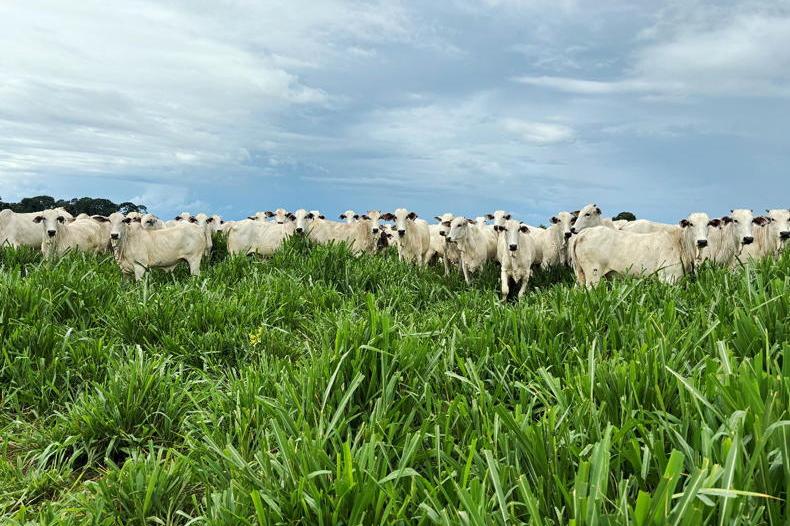
Brazil has joined Australia in setting a new monthly record for beef exports in July. It shipped 310,270 tonnes (t), up from 269,059t the previous month and 44,500t more than was exported in July 2024.
Over half of these exports - 158,419t - went to China. This was up from 134,222t in June and was 36,291t more than the 122,128t shipped in July 2024.
Exports to the US were 18,235t in July, almost identical to the 18,232t shipped in June and slightly higher than the 17,356t exported to the US in July 2024.
This was the last month - for now - that the tariff rate on Brazilian beef entering the US was at 26.4%. From the end of the first week in August, it increased to 76.4% and is expected to dramatically reduce volumes.
What will be of interest to Irish farmers and exporters is that Brazilian beef exports to the EU shot up in July this year compared with last year.
In July 2024, Brazil exported 8,913t of beef to the EU, but this year it increased to 14,547t.
With the US tariff rate taking effect from 6 August and good demand in Europe for South American beef, it will be interesting to watch how exports to the EU develop over the remainder of this year.
International beef trade
Irish and EU farmers have been paid much higher prices this year than previous years.
While this is essential from a farm viability perspective, it was primarily driven by a significant drop in supply of cattle. Numbers are down not just in Ireland, but in Britain and most EU countries as well. This deficit in supply has two effects - one welcome and the other less so.
What is welcome is that factories have to aggressively chase cattle supply and the phrases “booked out” or “call again next week to see if we can fit you in” have all but disappeared.
The other consequence of scarcer supply and high prices is that Europe becomes a particularly attractive market for global exporters.
EU and UK imports
UK trade deals with Australia and New Zealand have opened up big market possibilities for beef exporters in these countries.
They are steadily growing their business in the UK, but with the US beef market also under-supplied and Asia stable, they already have good established markets. Even so, expect more Australian and New Zealand beef in the UK in coming months and on into the future.
South American countries, including Brazil, have been consistently the main suppliers of beef imported by the EU.
Volumes in recent years are only a fraction of what they were 20 years ago, as South American countries grew their exports to China in line with their rapidly growing demand for beef imports.
In recent years, the US has also become an important export market for South American countries, particularly Brazil, which had been expected to double its sales to the US this year prior to the tariff disruption.
With China’s demand levelled off, potential for further growth there is limited, so the EU looks like it will be very much in play for Brazil’s beef exporters over the coming months.