




While Irish and EU farmers are watching with interest whether Brazil can find a way to comply with EU rules on antibiotic usage before 3 September, in Canada farmers are resisting increased access for beef in their government's negotiation with the Mercosur countries on a trade deal.
Both sides were locked in negotiations over five days at the end of May in Toronto.
Paraguay holds the Mercosur presidency at present and it issued a statement saying that there were “intensive working sessions, covering a wide range of disciplines key to the negotiations”.
It also referred to an exchange of positions and co-ordination meetings that helped to "deepen the identification of outstanding issues and possible areas of convergence”.
Canada wants to diversify trade
Given its current difficulties with the US, Canada is anxious to broaden its trading base and negotiations with the Mercosur countries, which are ongoing since 2018, have assumed a new urgency.
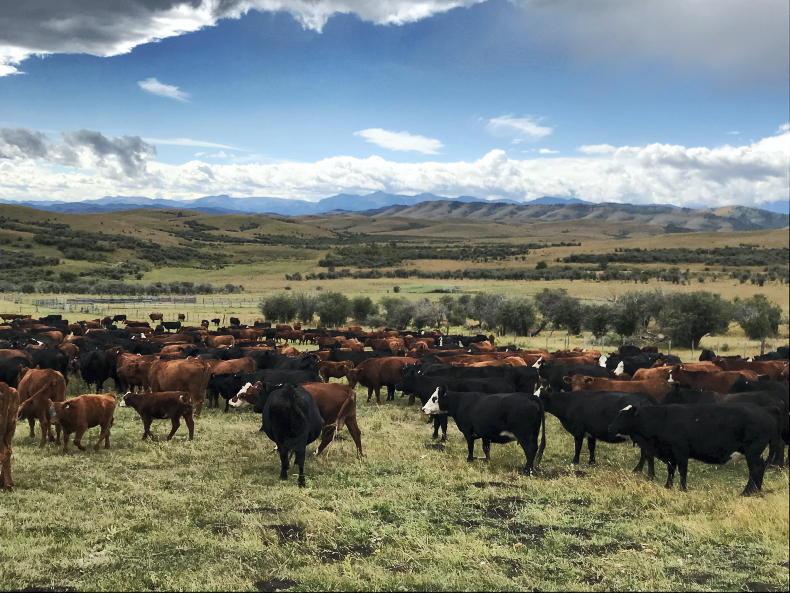
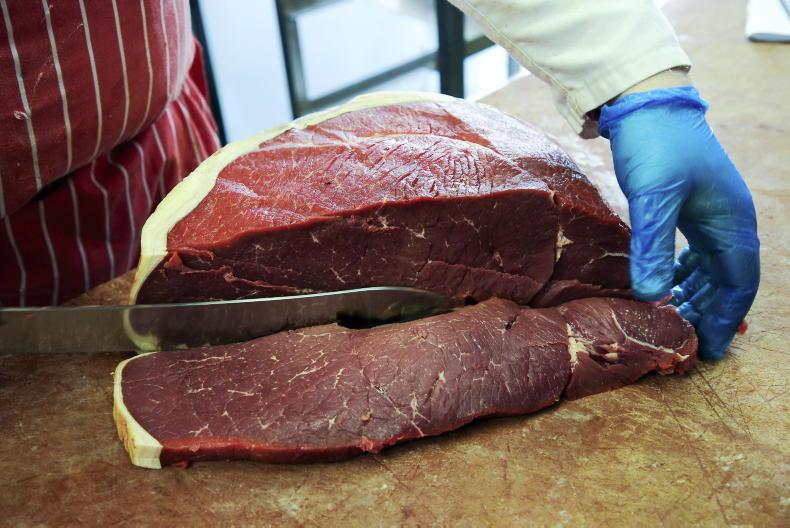
As was the case with the EU-Mercosur negotiations, there are many sectors of the Canadian economy that would benefit from a deal. However, again like the EU, a trade deal with Mercosur will mean greater access for South American beef to the Canadian market and Canadian farmers aren’t happy.
The Canadian Cattle Association (CCA) is concerned about the impact of any deal on its members.
In a release ahead of the latest negotiation, it called on the government to “reject any expansion of beef market access in a potential trade agreement with Mercosur countries, as it would put significant pressure on Canadian farmers and ranchers, weaken long-term food security”.
It also cautioned that “Canadian beef cannot become a bargaining chip” and pointed out that “Canada already imports more beef, proportionally, than almost any major beef-producing country in the world. Expanding access for Mercosur beef would undermine Canadian producers at a critical time for our industry.”
It also raised the issue of quality in relation to Mercosur-produced beef relative to Canadian product. The CCA said: “Our producers should not be economically penalised for maintaining high standards while competing against jurisdictions with significantly lower production costs driven by weaker standards.”
Similarities with the EU
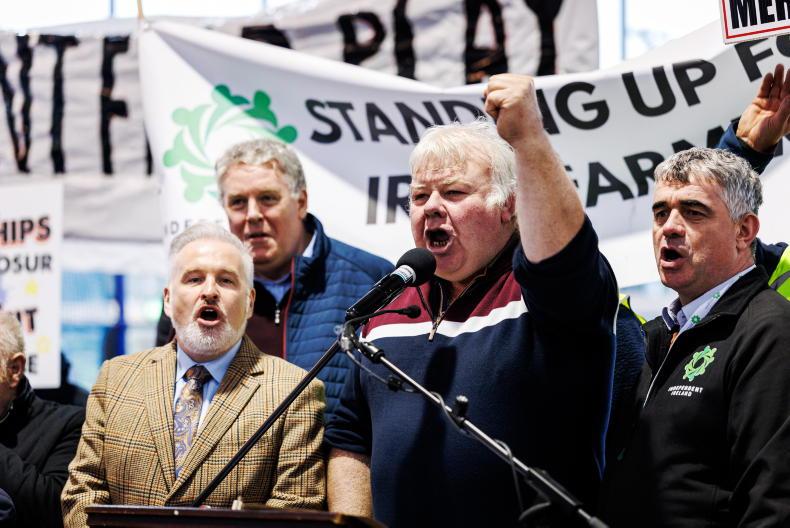
When Irish and EU farmers were opposing the trade deal with the Mercosur countries, similar arguments were put forward.
While there was great focus on standards in the official texts, ultimately, as the Irish Farmers Journal investigation revealed late last year, there are practices in Brazil - Mercosur’s largest beef-exporting member - that wouldn’t be acceptable in the EU.
Despite this, the EU pushed on and concluded the deal with the wider economic benefit and geopolitical issues taking precedence over the concerns of farmers.
Canadian producers now find themselves in a similar position to their EU counterparts a year ago.
There is general acceptance of the need to diversify its trade base to reduce dependence on the US and, in general, the Mercosur countries are a good fit for a deal.
The problem is that the main interest of all the Mercosur countries - but Brazil in particular - is greater access to the Canadian market for beef.
The position of EU and Canadian farmers in opposing the deal is similar - we await to see if the outcome is the same or different when the talks conclude, which is expected to be before the end of this year.



SHARING OPTIONS