



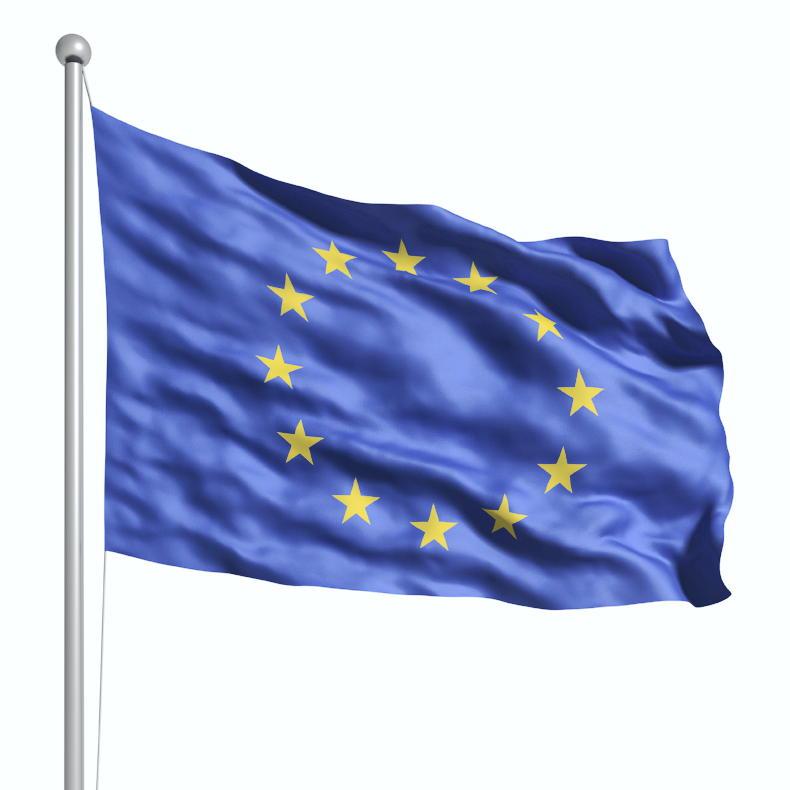
I’ve only been to Gibraltar once. On 12 July 2010, we headed down to the tiny British enclave along the Spanish south coast.
We had watched Spain win their first World Cup final the evening before in Malaga and there was a real party mood as we travelled along the Costa del Sol.
However, there was an issue when we got to the border between Gibraltar and Spain. The border was closed.
We were told that the border guards had refused to allow cars coming in from Spain to display Spanish flags. They were insisting the flags be put in the boot of the car. Inevitably, that caused some annoyance among the celebrating Spaniards.
After an hour, the border re-opened and we made our way in, along a road that crosses the airport runway, a runway that is within 50 metres of a petrol station. It really is an unusual place.
Over 10,000 Spaniards join the local population to work in Gibraltar every day. For context, the population of “the Rock” is barely 40,000, and there simply isn’t room for more people to live.
Coincidental symbolism
At midnight last Wednesday, two hours after Spain qualified for the World Cup final for the first time since 2010, the border controls between Gibraltar and Spain disappeared. A few hours later, England came within five minutes of joining Spain in the final, but fell just short to Argentina.
It’s tempting to infer that a Spanish victory and an English defeat was fitting symbolism for the changes in Gibraltar. It’s unarguable that Brexit has moved Gibraltar further from the UK over the last decade.
Clear Brexit mandate in Gibraltar
While the Brexit referendum narrowly passed ten years ago, the attitude of the people of Gibraltar couldn’t have been clearer. The vote was 19,322 to remain in the EU, compared to 823 votes to leave. That was a 96% majority in favour of remaining.
While a lot of attention was paid to the issues Brexit caused for the island of Ireland, the story of Gibraltar gained less attention. Now, after a decade of debate, Gibraltar has rejoined the Schengen Area, effectively becoming part of the European single market. It means there will be no border or customs controls for goods coming in from the EU. Goods from outside the EU, including from the rest of the UK, will be subject to customs control. It’s a rational decision, as over 80% of goods coming into Gibraltar come from the EU. Similarly, passport checks move from the tiny land border to the airport and seaport. Nigel Farage, unsurprisingly, has described this as a “dreadful surrender”. It is more accurate to describe it as an inevitable consequence of Brexit.
Ten years on, it’s easy to forget that Gibraltar wasn’t the only part of the UK to vote Remain back in June 2016. Scotland voted 62%-38% against Brexit, while Northern Ireland voted 56%-44% against leaving the European Union. Only England (53% to 47%) and Wales (52.5% to 47.5%) voted in favour.
The Falkland Islands, much in the news following Argentina’s defeat of England on Wednesday, had no vote on Brexit. It was only overseas territories within Europe that got to vote. There was a sovereignty referendum on the status of the Falkland Islands in 2013, which resulted in an even more comprehensive decision than the Gibraltar Brexit vote. All but three of the 1,516 votes cast were in favour of remaining as a British overseas territory. However, since Brexit, the Falklands has struggled to gain a trade deal with the EU. Fishing is its primary industry, and the EU is the by far its main export market, accounting for about 90% of fish exports. Tariffs of 6% to18% now exist on all that produce from the Falkland Islands going into the EU. Brexit is the gift that just keeps on taking.
Brexit adjustment still needed
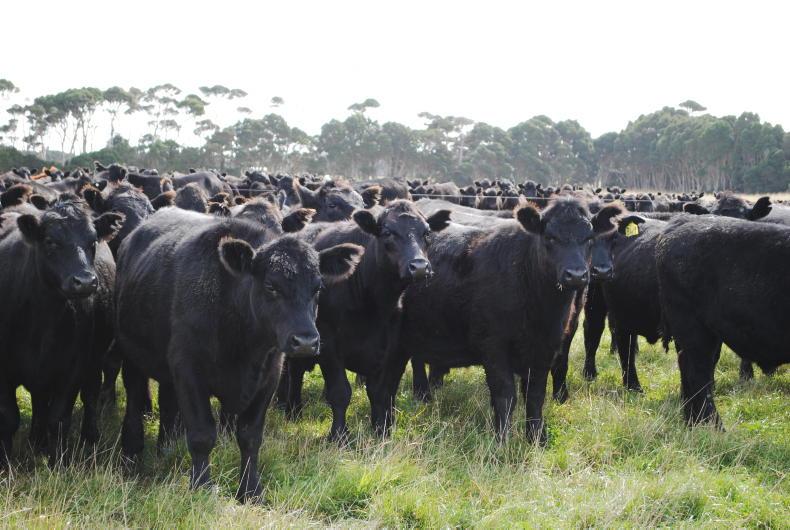
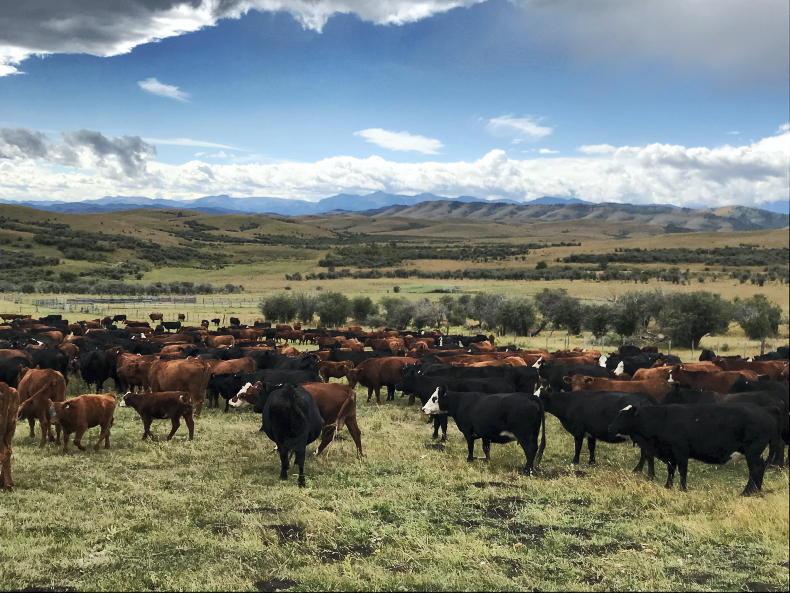
Meanwhile, here in Ireland, the impact of Brexit continues. For our beef trade, the sector marked out from the very beginning as most vulnerable, it’s only really in the last year or so that our worst fears are belatedly being realised. And it isn’t Brazilian or Mercosur meat that is doing the damage; it’s beef from Australia and New Zealand.
Dairy produce has not been unaffected. The recent decision of Dairygold to jettison their UK cheese production plants is not primarily due to Brexit, as Lorcan Roche Kelly has explained here, but it is certainly a contributory factor.
The Brexit Adjustment fund, put in place to help vulnerable sectors navigate the new market realities post-Brexit, is needed now as much as it ever was. It will be up to new British Prime Minister-designate Andy Burnham to sort out the Brexit fallout for people in Gibraltar, the Falklands Islands and indeed Northern Ireland.
Burnham has been clear that he won’t rehash the argument over whether the UK should be in the EU or not. “Britain will be stuck in a permanent rut if we're just constantly arguing," he said in May. This contrasted with Wes Streeting, another who was angling to challenge Keir Starmer’s leadership of the British Labour Party at the time. Streeting said that Brexit had been a “catastrophic mistake”. Mind you, Burnham said last year that he would like to see the UK back in the EU within his lifetime.
The bigger question is whether the almost-finalised negotiations that Keir Starmer and his Chancellor Rachel Reeves had led with the EU will be signed off by Burnham and whatever new British government he announces next week. It seems to be further down his list of priorities than a fairly radical devolution agenda.
It’s way too early to assess exactly how more devolution might impact Northern Ireland, particularly when the office of First Minister is occupied by Sinn Féin’s Michelle O’Neill. Stormont is currently grappling with a difficult budgetary process with a challenging deficit to be confronted.
Andy Burnham has some Irish blood; his great grandfather Edmund Burke (not that Edmund Burke) came from Louth. He has recently been mayor of Manchester, a city with a massive Irish influence. We can only hope that his premiership is good for the UK and for Ireland.
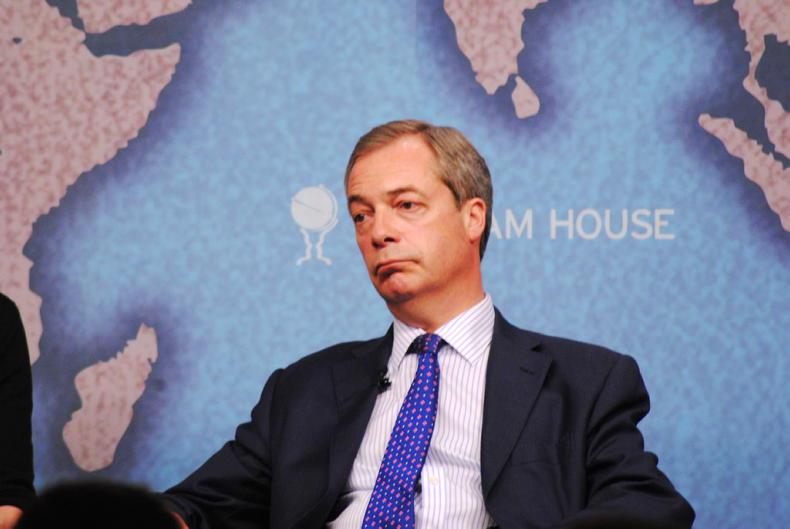
Farage farce matters
Andy Burnham will become prime minister on Monday. However, as the House of Commons is now on summer recess, so he won’t appear in Parliament until 1 September. One big question will be whether the person currently poised to challenge Burnham's government in the next election, Nigel Farage, will be there to greet him.
Farage, the primary architect of Brexit, resigned his seat in protest at two investigations into non-declaration of monies he has received (the latest a £5m “gift”), and is standing to immediately regain it. He says this is so that the people of his constituency of Clacton can judge him, rather than what a process he has described as a political tool. “Let the people be my judge, not the Westminster elite,” said Farage.
Others would say that Parliament’s Standards Commissioner is the appropriate arbiter of such matters.
By standing down from parliament, Farage has stopped the investigation. All the other mainstream political parties have decided not to stand against him. Supporters of Reform Party leader Farage say this is because they have no hope of winning, as opposed to the stated reason of disgust at a political stunt that subverts parliamentary standards.
With nominations now closed, Nigel Farage is facing a field of thirty-three challengers, all from the fringes of the political spectrum. The one emerging as his biggest rival is Count Binface, a frequent election joke candidate. Binface is actually is comedian Jon Harvey. Harvey was a writer for political satire The Thick of It” . It now feels that life is imitating art.
Does any of this matter? I think it does. Nigel Farage as prime minister would move the UK further away from Europe, and closer to his friends in Washington DC and Moscow. I would fear for what he would try to do on this island.
So I’ll be shouting for Count Binface, the Cabo Verde of Clacton.
Meanwhile, if Spain win on Sunday, there will be no interruption to flags in Gibraltar the following day. The only consolation for Nigel Farage would be there would be no flags or banners questioning the ownership of Las Malvinas.



SHARING OPTIONS