


BCS of suckler: initial reports show some variability in silage quality, but for the most part quality is relatively good and dry matter is high, which should result in good intake levels.
It’s important to match silage quality with stock requirements, but also body condition. Suckler cows that need to only maintain their body condition should be fine with silage in the mid to high 60s on DMD, but thinner cows will have to be offered silage 70 DMD+ or else concentrates used to supplement energy intake.
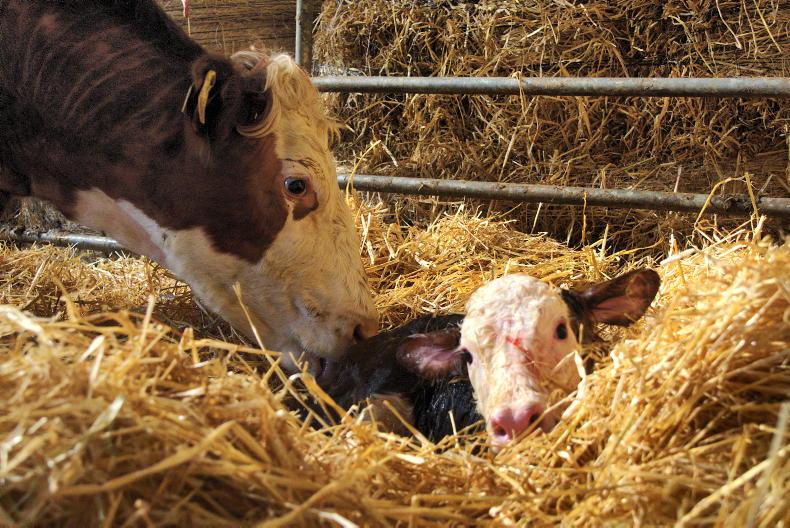
It’s important to correct body condition now well ahead of spring calving, as increasing energy levels in late pregnancy will do little to increase cow condition but will result in heavier calves and more difficult births. Straight feeds such as 1-3kg of barley is perfectly adequate to supplement poor quality silage for these thinner cows, who should be grouped away from others for this supplementary feeding. Spring calving cows should have a BCS of 3-3.5 at housing, with a target of 2.5 at calving down.
Breeding: breeding has commenced in many autumn calving herds as cattle head indoors. For cattle still outdoors where breeding has commenced, it is better to try and not upset heifers/cows by a drastic change of diet in the seven days post breeding ie switching from grass outdoors to silage indoors. Introducing silage outdoors in the days ahead of housing will soften the change.
Many herds will opt to use AI with cows indoors, as it reduces the risk of stock bull injury while there is lower labour as cows are already indoors and easily drafted for AI. For farmers participating in SCEP, 85% of calves born on farm must be sired by a four- or five-star (at time of service) stock bull or AI bull on either the terminal or maternal index.
Autumn AI can also be a good way to increase home-bred replacements with a known history by selecting your best quality cows and crossing with bulls with high maternal traits. If sexed semen is being used, heats should be strong to bolster conception rates, and insemination should take place circa two to three hours earlier than for conventional straw and straws must be carefully handled.
Straw: on p42-43 this week in our Winter Ready Focus, I discuss straw requirements heading in to the winter months. Straw supplies and quality is good, and if you haven’t already sourced straw yet I would urge you to do so; tillage farmers will be all too happy to see it out of their sheds now to make room for machinery, and straw in your own shed gives some security.
When calculating requirements, much the same as silage, include a 10-20% buffer to factor in a possible delayed spring. Straw usage can be lessened through chopping, which will reduce usage by 10-15%, while using a feeding area combined with a straw lie back for organic systems/pre-calving pens will also reduce usage.
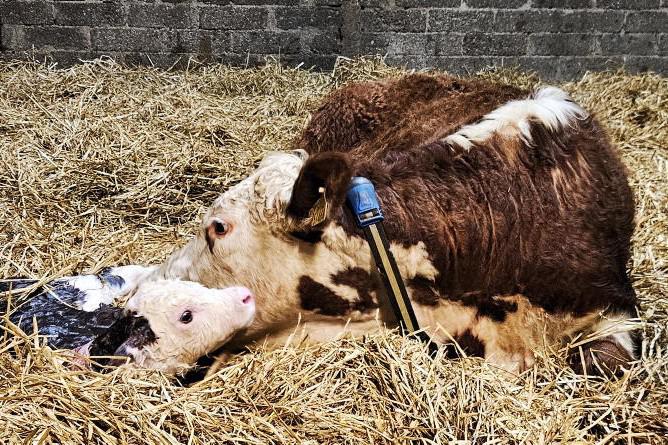
Ample clean straw under stock, especially young calves, will reduce disease pressure and increase growth rates, so don’t skimp on it.


SHARING OPTIONS