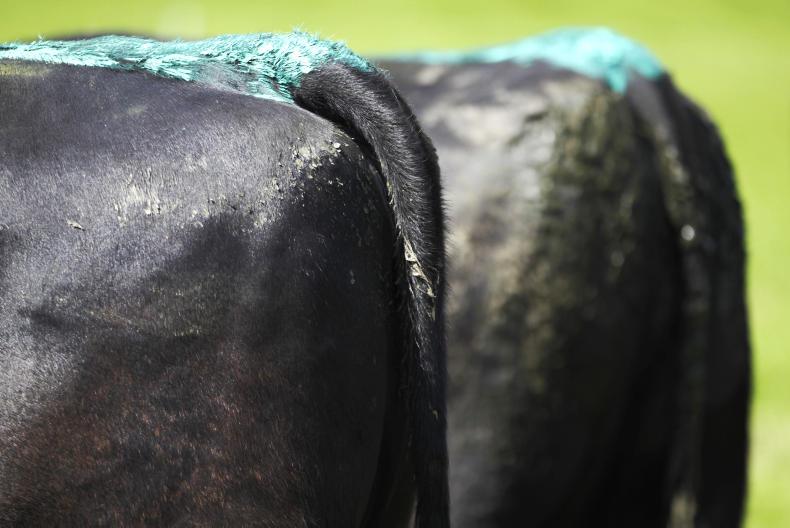
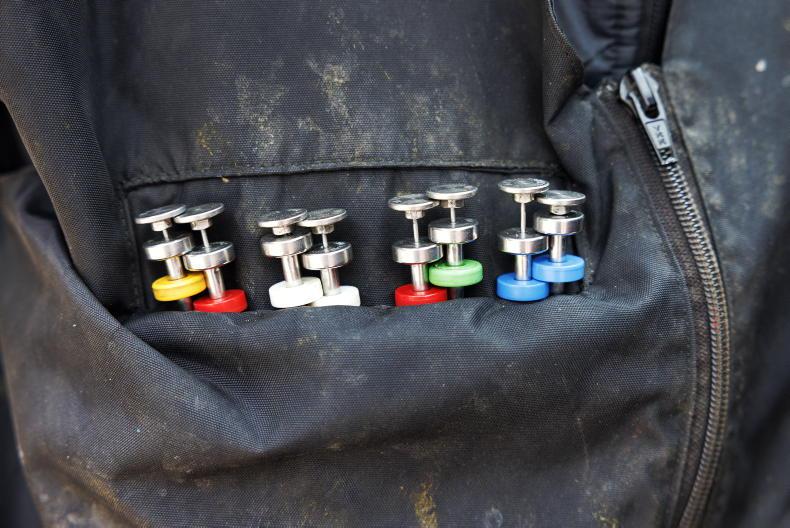
Many farms are gearing up for breeding in the next few weeks. For farms starting to calve in mid-February 2018, cows will need to be bred in the first week of May 2017. If you are using AI, cows should be tail-painted at this stage and heats should be recorded for ease of detection three weeks later. Tail painting will also mean you can investigate cows that haven’t been in heat before breeding commences. Some may require a wash-out or have other issues. With late-calving-cows, some farmers suck calves twice a day to break the maternal bond and bring cows into heat quicker. While this sounds like a huge amount of work, when cows and calves get used to the system, it can work quite well. When breeding does commence, make sure to keep accurate records, especially if you are using a stock bull to monitor fertility. Have you got a plan B if a stock bull gets hurt and is unable to serve cows?
Breeding heifers
Ideally, heifers should be bred to calve one to two weeks before the main herd, or at the very latest the first week of calving. Because of a heifer’s higher fertility, they provide an excellent opportunity to use AI and give you options to use high index replacement bulls on the herd, for example. One way of reducing the labour requirement around using AI is synchronisation, which can be used very successfully in heifers. A simple programme to follow is outlined in Table 1
This content is available to digital subscribers and loyalty code users only. Sign in to your account, use the code or subscribe to get unlimited access.
The reader loyalty code gives you full access to the site from when you enter it until the following Wednesday at 9pm. Find your unique code on the back page of Irish Country Living every week.
CODE ACCEPTED
You have full access to the site until next Wednesday at 9pm.
CODE NOT VALID
Please try again or contact support.
Many farms are gearing up for breeding in the next few weeks. For farms starting to calve in mid-February 2018, cows will need to be bred in the first week of May 2017. If you are using AI, cows should be tail-painted at this stage and heats should be recorded for ease of detection three weeks later. Tail painting will also mean you can investigate cows that haven’t been in heat before breeding commences. Some may require a wash-out or have other issues. With late-calving-cows, some farmers suck calves twice a day to break the maternal bond and bring cows into heat quicker. While this sounds like a huge amount of work, when cows and calves get used to the system, it can work quite well. When breeding does commence, make sure to keep accurate records, especially if you are using a stock bull to monitor fertility. Have you got a plan B if a stock bull gets hurt and is unable to serve cows?
Breeding heifers
Ideally, heifers should be bred to calve one to two weeks before the main herd, or at the very latest the first week of calving. Because of a heifer’s higher fertility, they provide an excellent opportunity to use AI and give you options to use high index replacement bulls on the herd, for example. One way of reducing the labour requirement around using AI is synchronisation, which can be used very successfully in heifers. A simple programme to follow is outlined in Table 1
If you would like to speak to a member of our team, please call us on 01-4199525.
Link sent to your email address
We have sent an email to your address. Please click on the link in this email to reset your password. If you can't find it in your inbox, please check your spam folder. If you can't find the email, please call us on 01-4199525.
ENTER YOUR LOYALTY CODE:
The reader loyalty code gives you full access to the site from when you enter it until the following Wednesday at 9pm. Find your unique code on the back page of Irish Country Living every week.








SHARING OPTIONS