


Traditional sourcing of heifers from Friesian cows crossed with a Limousin or Hereford bull provided a supply of animals possessing milk and functionality.
Over the past decade, these heifers have not been as freely available as they once were. The increasing influence of Holstein genetics in dairy herds has resulted in cows with lower conformation and fertility issues.
Breeding replacements from within the suckler herd is not straightforward. As the heritability of milk is low, breeding with maternal genetics will have a positive influence, but it will take a couple of generations for changes to a breeding policy to be realised, which is at least a four to five-year period.
Next Wednesday evening (1 May) in Ballybay Mart, a farmer-led initiative will see a special sale of breeding heifers. The event is a combined venture between two discussion groups in Co Monaghan.
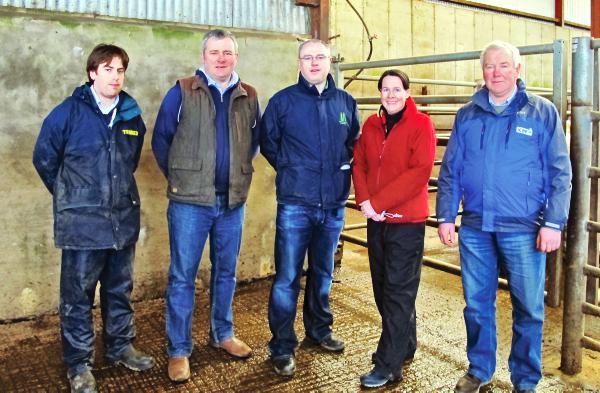
The Castleblaney Active and Positive Suckler discussion group (CAPS) and the Night-time, Evening and Weekend Suckler discussion group (NEWS) consist of 15 and 20 members, respectively, and both groups are ably facilitated by Teagasc adviser Mairead Kirk.
Group progress
The groups meet monthly with the intention of increasing suckler farm profitability through improving technical efficiency on farms.
Over the past three years, the groups have covered topics such as grass management and financial analysis, with a 100% completion rate of Profit Monitors by all members.
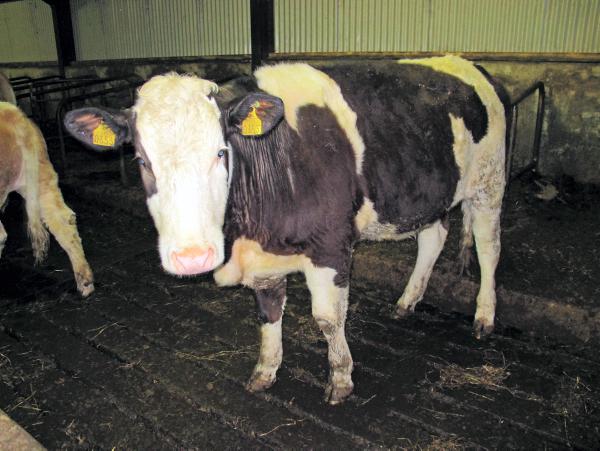
Recently, the groups have focused on improving the breeding performance of herds with particular emphasis on increasing maternal traits. At farm level, considerable investment has been made by group members in purchasing five star bulls to improve herd fertility, milk and cow functionality.
||PIC2||
As a result, the farmers have organised the breeding sale as a way to market heifers that are surplus to requirement but will be ideal suckler replacements for others.
Heifer Criteria
A total of 58 heifers will be offered for sale next week and all animals are BVD negative. They have also been tested and are suitable for export.
The heifers were all weighed on 3 April in Ballybay Mart and have been scanned by Reprodoc Ltd to confirm that the animals are cycling and suitable for breeding.
Heifers also possess maternal ratings of three stars to five stars and these will be available in the sale catalogue. The maternal rating indicates that they are bred from animals that possess high levels of milk, fertility and are relatively good for calving ease.
24-month calving
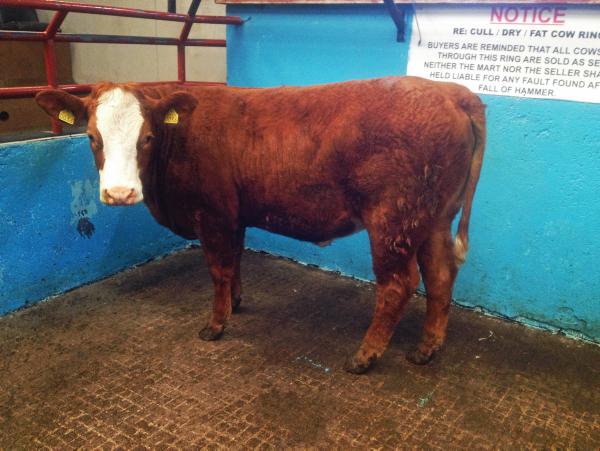
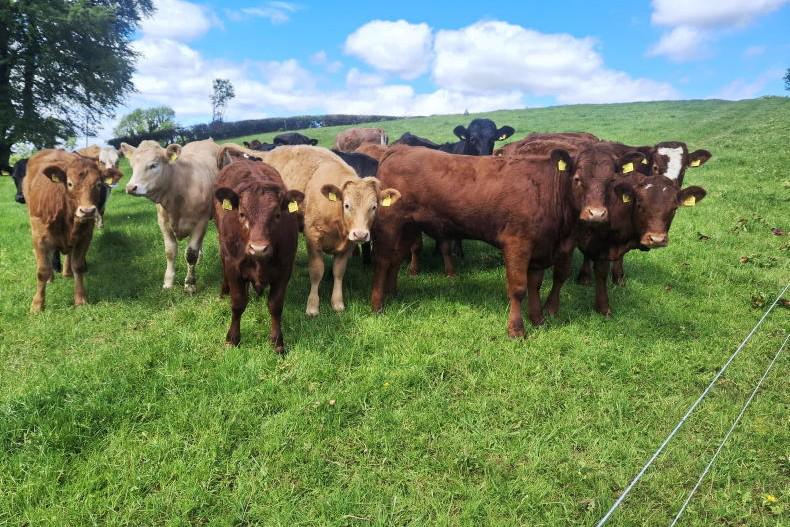
With most heifers weighing 390kg to 400kg in early April, they will be suitable for spring herds that are starting their breeding season at present. Heifers are predominantly Simmental or Limousin bred and are being sold at 13 to 14 months of age, making them ideal weight for age to calve down at 24 months.
||PIC3||
Calving at 24 months has been shown to be the most profitable age to calve replacements and it also simplifies stock management. The heifers will still require good stock management after breeding and calving to successfully breed them again, which will be down to the new owner, as the farmers selling the heifers are calving successfully at 24 months.
Fertility
Focusing on improving herd fertility has been a key aspect of group meetings over the past three years. Unproductive cows have been removed and developing a tight calving pattern has resulted in a fertile breeding base for the group members. They use HerdPlus to record cow performance and figures are reviewed openly at group meetings.
||PIC4||
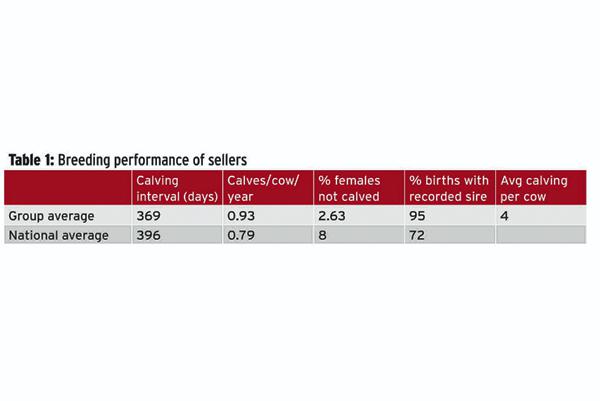
The heifers that are being offered for sale come from 16 different herds that have excellent breeding results. The herds have an average calving interval of 369 days and produce 0.93 calves per cow per year. The national average figure for calving interval is 396 days and only 0.79 calves per cow per year.
Such a high level of fertility shows that the heifers being offered are bred from productive cows, rather than from older, problem cows, as can sometimes be the case for heifers sold at marts. Table 1 outlines the average calving survey figures for the 16 herds selling heifers and compares the data with the national average figures.
Partnership
The two groups have managed to tie the sale in with some industry partners.
ICBF and Toplink.ie have been providing resources to promote the sale online, allowing vendors to advertise their livestock privately or let potential buyers view animals prior to the sale.
Information online includes the breeding report of the heifer’s dam and liveweight.
The sale is an excellent example of positive action from farmers coming from discussion groups. Taking the initiative to organise a sale that will potentially add value to their stock means that the farmers are taking control of the market place, rather than accepting general prices on offer at normal sales.



SHARING OPTIONS