



Discussions, for example, have centred on large versus small cows, Friesian cross versus continental cows and numerous breed comparisons.
The reality is that all breed mixes have their advantages and disadvantages; the greatest concern occurs when a breed mix is selected that does not utilise or suit any of the farm’s or farmer’s strengths.
Breeding decisions also have to closely take into account the target market animals are being bred for.
The farm’s constraints
The large versus small cow debate is especially relevant to the constraints of the farm. There is little point farming mature cows with a weight of 750kg to 800kg if the typical length of a winter is five to six months and, even then, it is hard to graze these cows due to the marginal nature of the land type.
In a situation like this, the target mature weight of cows should be closer to the 600kg to 650kg mark.
These cows will have a lower requirement for winter fodder, plus lower mature weight animals should make for easier grazing in spring and autumn.
This has come more into the spotlight in the last three years following continually wet summers where prolonged periods of heavy rainfall have made grazing conditions very difficult.
Where the suckler herd comprises of larger framed cows, the soil type should be such that it allows a long grazing season (eight to nine months) plus the breeding cow base must contain the basics for good breeding performance.
By this I mean that cows must be fertile (calf per cow per year), have been bred to deliver a good supply of milk, easy calving and produce a good quality calf.
Breeding your own replacements
Achieving the mature cow weight/size balance that you want is not an overnight solution. If breeding your own replacements, it will take at least three years before she has a live calf on the ground.
Breeding your own replacements will offer the advantage of knowing the background breeding of the herd. However, where the cow base is unsuitable, due to a lack of milk, for example, it is recommended to source replacements from outside the herd, as improving milk yield from a low base will more than likely take a few generations to achieve.
Breeding your own replacements also has to be questioned if it complicates the farming system. The average suckler cow herd in the west of Ireland ranges from just 10 to 12 cows.
AI allows maternal and terminal sires to be selected, but where the focus is on producing terminally bred animals for the weanling market, using maternal sires will lower the quality of weanling bulls while running one to two replacement heifers can increase the number of grazing groups and increase workload.
The same can be said of a larger herd (15 to 20+ cows) where a terminal stock bull is used.
Weight drives sale price
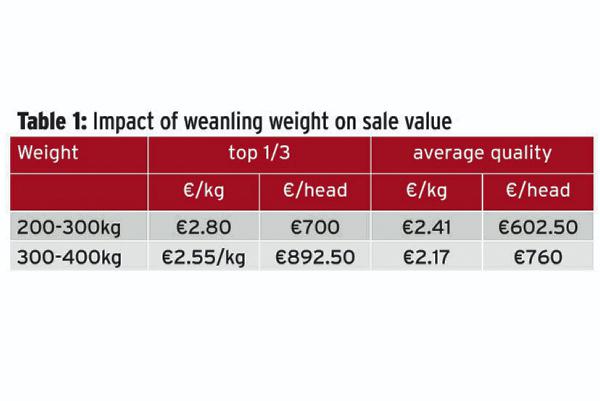
Weight is still the most important determinant of sale price in the Irish mart trade. Table 1 is an analysis of the Irish Farmers Journal MartWatch data for weanling bulls sold last September.
Weanlings in the 200kg to 300kg bracket achieved a higher price per kilo than bulls in the 300kg to 400kg bracket. While this looks good at first glance, the lower liveweight at sale means the final sale value is restricted, irrespective of animal quality.
The analysis shows that, even if you drop down to average quality weanlings in the 300kg to 400kg bracket, the extra weight will still generate a higher sale value than the top quality light weanlings.
For this reason, weanling weight should, in general, be higher on your list of breeding goals than calf quality.
This is not to say that you should lose sight of quality but more to emphasise the fact that if you get your weanling weight right and then focus on improving calf quality, you will have the best of both worlds. It is output per head that is the primary driver of sale value, not price per kilo.
Management tip
Breaking the cow-calf bond from 30 days post calving will help reduce the postpartum interval and get cows back in calf quicker.
Bring something new to the mix
Speaking at last week’s breeding seminar in Balla, Arthur Bredin, Progressive Genetics, advised farmers to look closely at the cow before selecting what sire to use. He explained that you should select a sire that brings something new to the mix.
For example, using a heavier muscled or well conformed sire on an O-grading cow with proven good calving potential will improve conformation of the progeny. Similarly, where inseminating a well muscled cow, using an easy calving sire will reduce calving difficulty but the calf will still inherit good confirmation from its dam.
On the topic of easy calving, he said that an easy calving bull does not mean a poorer quality calf. He said that there are numerous sires that deliver easy calving characteristics with progeny developing conformation and muscle with age. He advised farmers to consult with their local rep as they are well placed to see how sire progeny are performing on farms.
Focus on your target market
The mistake is often made in suckler herds of trying to produce animals for all markets. AI offers an opportunity to match the cow type to a particular sire but, even so, you should still concentrate on producing for a particular market. This is especially the case if using a stock bull. It is rare that a bull will tick all the boxes so, as we head into the main breeding season, decide on what your target market is and select a bull that is in the top 20% (four to five stars) for the particular traits. The points made earlier in the article are relevant irrespective of your target market. The main markets and the advantages and disadvantages of each are summarised below.
Top quality replacements
The difficulties in breeding replacements for smaller herds also shows the opportunity available for some farmers to develop their suckler herd as a source of top quality replacement heifers. Achieving a high herd health status and getting the breeding basics of fertility, milk yield, temperament, longevity and breeding potential are central to this development.
Research on sexed semen offers huge potential on two fronts. Firstly, it has the potential to breed more Limousin, Angus and Hereford cross heifers from the dairy herd. Secondly, it also has significant potential for suckler herds and the mistake must not be made of allowing this research to focus solely on dairy herds.
Sexed semen research partners should ensure that suckler herds are also included in future plans.
Successful sexed semen technology in suckler herds specialising in breeding replacements can significantly increase throughput of replacements while, at the same time, limit the number of lower value maternally bred bull calves born.
When selecting sires target an animal with four or five stars for milk yield. It is also useful to take account of the predicted daughter performance for calving difficulty and calving interval.
Domestic weanling market
The domestic weanling market is the main outlet for over 85% of weanlings traded from suckler farms. The desired grade of animal is an R/U grading animal with good growth potential.
Irish buyers are less inclined towards heavily muscled animals, with the continental breeds of Charolais and Limousin remaining the most sought-after animals.
Farmers producing for this market need to focus on getting weight in their animals at weaning to cover production costs and return a margin. Selling light weanlings weighing from 200kg to 300kg, and from €500 to €600 per head, will, in many cases, fail to cover the cost of keeping the cow for the year. If targeting this market, select sires with good growth potential that will help deliver a heavier weaning liveweight.
Maintaining a 365-day calving interval or getting cows back in calf is a tougher proposition this year. Practices such as restricted suckling or the use of progesterone devices can be used to get cows returning to normal cycling behaviour quicker. Selecting easy calving or short gestation sires may also be beneficial to help get cows calving earlier in spring 2014.
Live export market
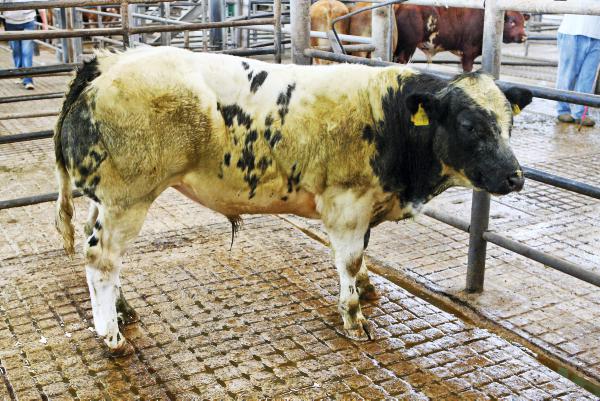
The live export market has the potential to generate some exceptional individual prices in sales and, as such, has attracted close attention and high levels of publicity in recent years. The trade is based primarily on the export of Belgian Blue weanlings to Italy and, to a lesser extent, the export of Parthenaise and heavily muscled U+ grading Limousin and Charolais bulls. Markets have materialised in Tunisia and Morocco in the last year with a similar type of animal required. At present, these markets are helping maintain demand with a slower Italian trade present.
The production system is highly specialised and requires very high levels of stockmanship. Calving difficulty is a concern with the extreme muscled bulls. Farmers entering the system with no previous experience have run into significant problems at calving and, subsequently, in getting cows back in calf. The breed of cow is also another important consideration.
The most experienced operators have an eye for selecting a cow with good calving ability that will still put muscle into the progeny. Where the breeding mix does not deliver a U-grading animal, it can be hard to find a home with Irish buyers for the lesser quality Belgian Blue bulls in particular.
Niche markets
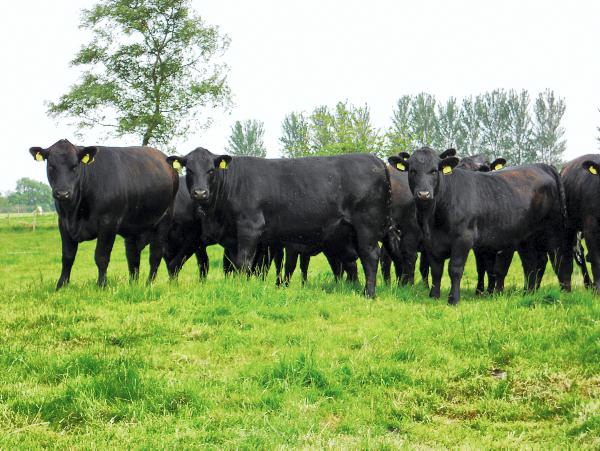
Intelligent marketing by producer groups and processors has witnessed niche markets grow from strength to strength. The two stand-out breeds are the Angus and Hereford breeds, with both gaining increased consumer awareness.
The number of suckler farmers adopting this production system is also slowly increasing due to price premiums on offer.
The production system in terms of suckling is, at present, most suitable to suckler to beef enterprises.
This is because weanling progeny of traditional or early maturing breeds are not yet realising similar sale values as continental weanlings, despite the premiums on offer.
Farmers progressing down these production systems do not need to alter breeding of their suckler cows.
For example, an Angus or Hereford sire used on continental cows has the ability to bring early maturing characteristics to the mix, while continental bred cows will maintain a good frame and growth rate in their progeny.
A favourable outcome from the current sexed semen research and expansion in the dairy herd could see the number of traditionally bred animals from the dairy herd increase significantly.
See example of premiums available top right.




SHARING OPTIONS