Tweaking the winter management resulted in Co Cork farmer, Kay O’Sullivan doubling the weight gain of her weanlings. This was done without concentrates or sheds.
Last winter her weanlings gained 0.6kg/day from weaning to turnout to grass in March. This means she is now on track to see her 2024-born bullocks set for a September sale date instead of December.
A winter diet of Redstart and red clover silage along with targeting the freshest reseeds of multi-species swards were the key drivers of this turnaround.
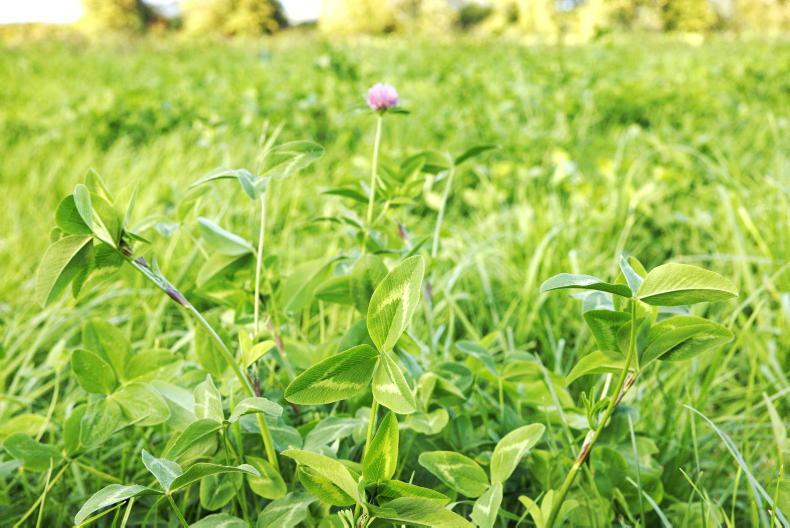
Red clover silage and multi-species swards have played a big part in increasing cattle liveweight gain. \ Donal O'Leary
That’s what over 300 farmers who attended the Teagasc Future Beef Programme farm walk on her farm at Mourneabbey, south of Mallow heard recently.
Running a suckler to beef system targeting selling finished stock at under 21 months of age, Kay’s cows calve outdoors in late February/early March and calves are weaned in November.
She uses a quiet wean nose paddle on the calves for weaning and leaves them there for a fortnight before the calves are removed from the cows and moved onto a crop of Redstart.
That is complemented with high protein red clover silage bales. These have had a protein level of up to 17% in recent years with a 74% DMD.
Those subtle changes in the weanling’s diet have seen Kay double the 0.3kg/day liveweight gain her young stock used to have before she started the Future Beef Programme.
Once the Redstart is finished, the yearling cattle are then turned onto the newest multi-species sward reseed from the previous year.

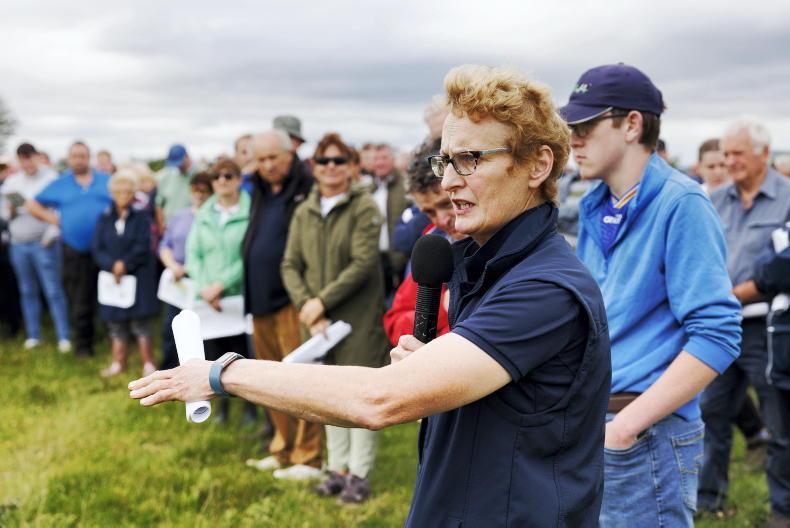
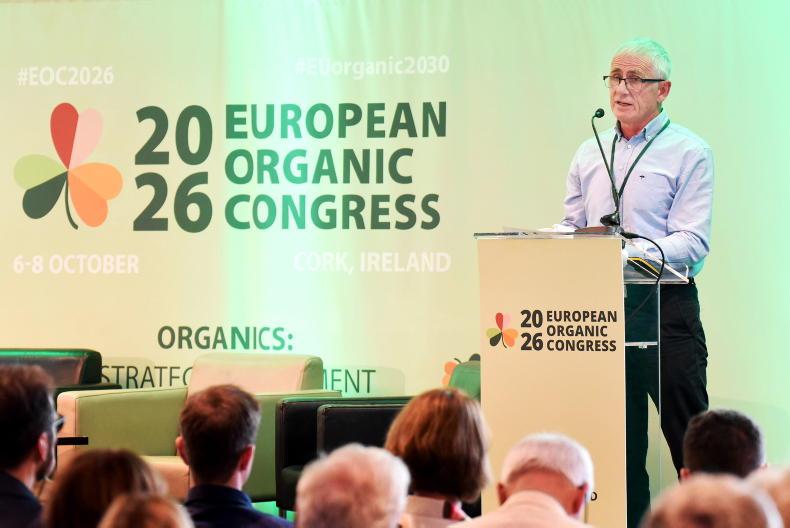
The crowd of up to 300 farmers who attended the Teagasc Future Beef walk on the organic farm of Kay O' Sullivan, Mourneabbey, Co Cork. \ Donal O'Leary
Young stock get preferential treatment and get the first go at the new reseeds throughout the year.
Including the ground that was used over the winter, Kay reseeds between 12ac and 15ac every year with discing her preferred method.
Last year bullocks were sold to Good Herdsman in mid-December at live weights ranging from 550kg to 570kg. They had a 54% kill out delivering an average carcase weight of 297kg and graded O+3+.
The 2024-born bullocks have been performing exceptionally well to date and have gained 1.28kg/day since their last weighing, averaging 500kg. That means they are on track to be finished at least two months earlier, possibly even in September.
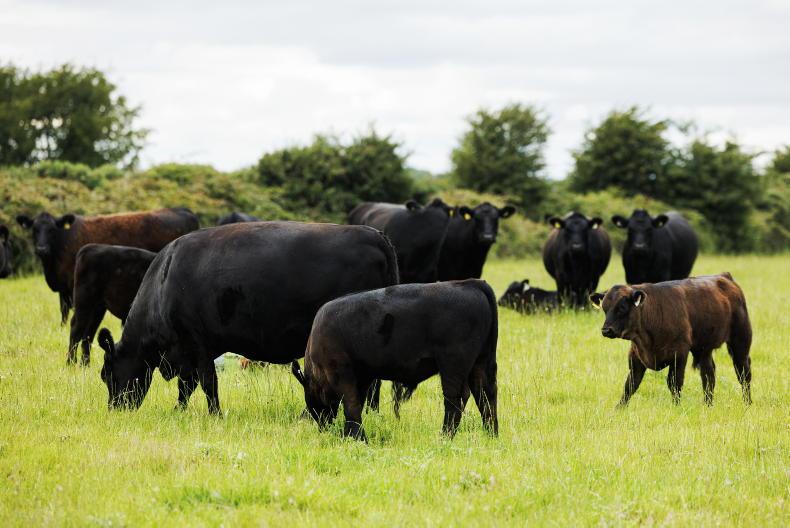
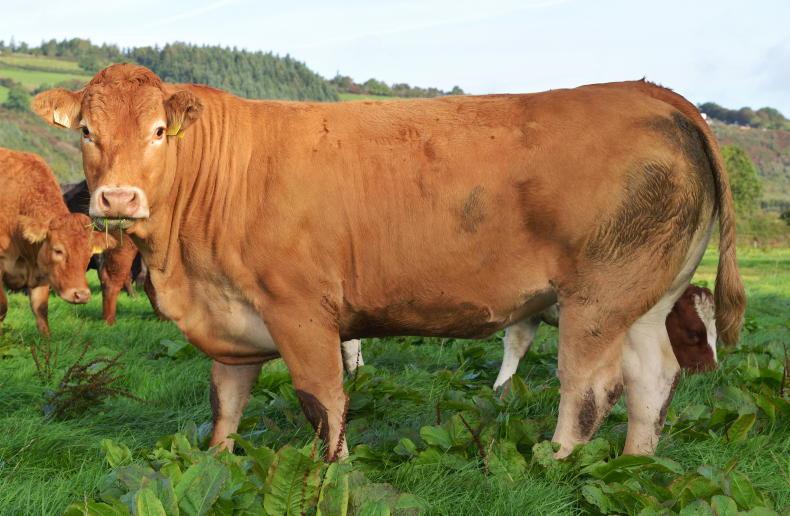
Angus is the breed of choice on the farm of Kay O' Sullivan, Mourneabbey, Co Cork. The herd is closed with 15 years and all cows are now at least 90% Angus.\ Donal O'Leary
What particularly stands out about this performance is that the cattle are on a forage-only based diet with no concentrates used at all. It’s probably also worth pointing out that this farm has been run organically for 15 years.
While calf 200 day growth rates of 1.26kg/day for bulls and 1.16kg/day for heifers is similar to that of non-organic systems, Kay has to be a bit more vigilant when it comes to parasites at grass to ensure these growth rates are maintained.
Regular observation for signs of stomach worms and lung worm and strategic use of Faecal Egg Counts (FEC)are all listed on the herd health plan for the period from May to August and continues while they are still at grass. Calves also receive pneumonia vaccines ahead of weaning.
The herd
A spring calving herd that has been closed since 2010, Angus genetics are the go-to option for Kay. They could almost be classed as pure-bred Angus she said with all cows now having over 90% Angus blood.
As it is a fully outdoor system, Kay places a strong emphasis on docility and uses 100% AI. She calves down 28 cows with all heifers calving at two years of age.
Surplus breeding heifers are usually sold in July and stay within the organic system. The calving interval for the herd has been between 355 and 359 days over the last three years with a calf/cow/year figure of between 0.9 and 0.97 in the same period.
Kay has built the replacement index of the herd over the last number of years and it currently stands at €149.
In order to increase her output/Livestock Unit (LU) and the overall terminal index of the herd, she has put more of a focus on carcase traits of the bulls she is using.
To that end, the Angus bulls she selected this year were the Munster Bovine bulls, Te Mania Nebo AA7452, Swanky Valentino AA1320 and Deelish Wingman AA1431. She is trying to strike a balance between not losing calving ease, increasing carcase and maintaining milk traits.

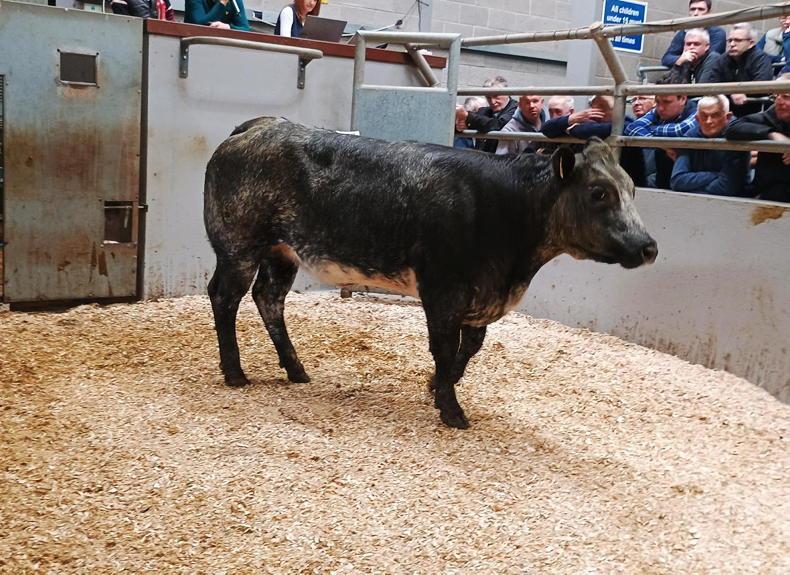
Bullocks are finished under 21 months of age on the organic farm of Kay O' Sullivan, Mourneabbey, Co Cork. \ Donal O' Leary
Calving difficulty for each of those bulls is under 1.8% on cows and under 4.3% for heifers while carcase weight varies from +9.1kg to +12.2kg.
Kay is hoping that this move will see the total kilos sold from the farm increase while keeping stock numbers the same.
Farm facts
Name: Kay O’Sullivan Mourneabbey, Co Cork.
Farm size: 63.2ha owned and all in one block. 44ha are permanent grassland including multi-species swards. 6ha red clover, 2ha Redstart, 11.2ha forestry.
Farm system: 28 spring calving cows, finishing bullocks and selling heifers for breeding
Ewe number: 50
2024 stocking rate: 58kg org N/Ha
Tweaking the winter management resulted in Co Cork farmer, Kay O’Sullivan doubling the weight gain of her weanlings. This was done without concentrates or sheds.
Last winter her weanlings gained 0.6kg/day from weaning to turnout to grass in March. This means she is now on track to see her 2024-born bullocks set for a September sale date instead of December.
A winter diet of Redstart and red clover silage along with targeting the freshest reseeds of multi-species swards were the key drivers of this turnaround.

Red clover silage and multi-species swards have played a big part in increasing cattle liveweight gain. \ Donal O'Leary
That’s what over 300 farmers who attended the Teagasc Future Beef Programme farm walk on her farm at Mourneabbey, south of Mallow heard recently.
Running a suckler to beef system targeting selling finished stock at under 21 months of age, Kay’s cows calve outdoors in late February/early March and calves are weaned in November.
She uses a quiet wean nose paddle on the calves for weaning and leaves them there for a fortnight before the calves are removed from the cows and moved onto a crop of Redstart.
That is complemented with high protein red clover silage bales. These have had a protein level of up to 17% in recent years with a 74% DMD.
Those subtle changes in the weanling’s diet have seen Kay double the 0.3kg/day liveweight gain her young stock used to have before she started the Future Beef Programme.
Once the Redstart is finished, the yearling cattle are then turned onto the newest multi-species sward reseed from the previous year.

The crowd of up to 300 farmers who attended the Teagasc Future Beef walk on the organic farm of Kay O' Sullivan, Mourneabbey, Co Cork. \ Donal O'Leary
Young stock get preferential treatment and get the first go at the new reseeds throughout the year.
Including the ground that was used over the winter, Kay reseeds between 12ac and 15ac every year with discing her preferred method.
Last year bullocks were sold to Good Herdsman in mid-December at live weights ranging from 550kg to 570kg. They had a 54% kill out delivering an average carcase weight of 297kg and graded O+3+.
The 2024-born bullocks have been performing exceptionally well to date and have gained 1.28kg/day since their last weighing, averaging 500kg. That means they are on track to be finished at least two months earlier, possibly even in September.

Angus is the breed of choice on the farm of Kay O' Sullivan, Mourneabbey, Co Cork. The herd is closed with 15 years and all cows are now at least 90% Angus.\ Donal O'Leary
What particularly stands out about this performance is that the cattle are on a forage-only based diet with no concentrates used at all. It’s probably also worth pointing out that this farm has been run organically for 15 years.
While calf 200 day growth rates of 1.26kg/day for bulls and 1.16kg/day for heifers is similar to that of non-organic systems, Kay has to be a bit more vigilant when it comes to parasites at grass to ensure these growth rates are maintained.
Regular observation for signs of stomach worms and lung worm and strategic use of Faecal Egg Counts (FEC)are all listed on the herd health plan for the period from May to August and continues while they are still at grass. Calves also receive pneumonia vaccines ahead of weaning.
The herd
A spring calving herd that has been closed since 2010, Angus genetics are the go-to option for Kay. They could almost be classed as pure-bred Angus she said with all cows now having over 90% Angus blood.
As it is a fully outdoor system, Kay places a strong emphasis on docility and uses 100% AI. She calves down 28 cows with all heifers calving at two years of age.
Surplus breeding heifers are usually sold in July and stay within the organic system. The calving interval for the herd has been between 355 and 359 days over the last three years with a calf/cow/year figure of between 0.9 and 0.97 in the same period.
Kay has built the replacement index of the herd over the last number of years and it currently stands at €149.
In order to increase her output/Livestock Unit (LU) and the overall terminal index of the herd, she has put more of a focus on carcase traits of the bulls she is using.
To that end, the Angus bulls she selected this year were the Munster Bovine bulls, Te Mania Nebo AA7452, Swanky Valentino AA1320 and Deelish Wingman AA1431. She is trying to strike a balance between not losing calving ease, increasing carcase and maintaining milk traits.

Bullocks are finished under 21 months of age on the organic farm of Kay O' Sullivan, Mourneabbey, Co Cork. \ Donal O' Leary
Calving difficulty for each of those bulls is under 1.8% on cows and under 4.3% for heifers while carcase weight varies from +9.1kg to +12.2kg.
Kay is hoping that this move will see the total kilos sold from the farm increase while keeping stock numbers the same.
Farm facts
Name: Kay O’Sullivan Mourneabbey, Co Cork.
Farm size: 63.2ha owned and all in one block. 44ha are permanent grassland including multi-species swards. 6ha red clover, 2ha Redstart, 11.2ha forestry.
Farm system: 28 spring calving cows, finishing bullocks and selling heifers for breeding
Ewe number: 50
2024 stocking rate: 58kg org N/Ha
SHARING OPTIONS