


Ploughing week has passed and with it another wet week. The past month or so has seen higher than average rainfall along the western coast, and with strong growth and covers in these counties, grazing of heavy covers has been extremely difficult.
It’s been a case of sacrificing graze outs or doing some damage to ground; how much damage will be ground specific.
It’s still early in the year for any level of poaching in paddocks, and as I’ve said before, ground that’s damaged this early will be very difficult to graze in October.
Limiting damage
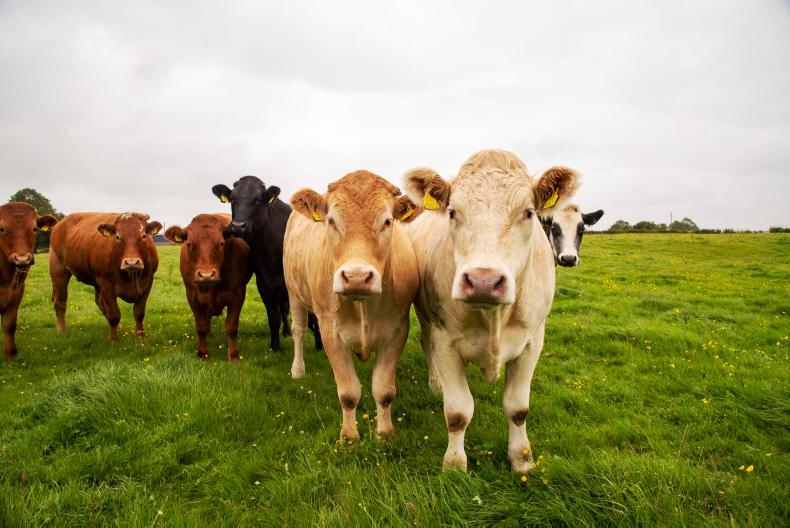
Limiting damage to ground is the aim of the game, and there’s two trains of thought on how to do so. The first is the hard and fast way; a relatively large group of animals in a small area for 12-24 hours.
While this is the most affective way to get grass grazed when weather is good, if you have a day of heavy rain, ditches and gaps can be blackened by this large batch of cattle standing for shelter or a new paddock.
The other option is to split cattle into smaller groups to try and avoid this, but it will be harder to get paddocks properly grazed, while cattle in a paddock for 4-7 days will result in a slower recovery and could affect grass supplies for the last round.
Happily, we should see some high pressure coming in across the country over the weekend, which may help with these difficult grazing conditions.
Ger McSweeney – Millstreet, Co Cork
Little to no damage is being done just yet, but that’s from moving cattle on in paddocks quickly. I’m on 24-hour blocks and ground is soaking away well despite all the rain we are getting. There are only one or two heavy covers left to graze out.
Heifers were housed in the last few days following weighing. I had weighed them two weeks earlier and they had not put on any weight so I made the decision to house, which also takes the pressure off grass supplies for cows.
A half bag of 29-0-14 was spread on grass only swards in the first week of September, with any clover swards being skipped, as I do not want heavy covers on these in case I don’t get to graze them.
System Suckler to beef
Soil Type Variable
Farm cover (kg/DM/ha) 995
Growth (kg/DM/ha/day) 47
Demand (kg/DM/ha/day) 33
Jack Spillane – Tipperary Calf Farm, Co Tipperary
We have grass everywhere at the minute. We probably dropped our demand too early by housing finishing cattle, and we are now seeing demand still well ahead of growth. While we have been achieving good grazeouts so far, things are getting on the sticky side, with 22mm of rainfall on Tuesday night.
We could do with a couple of dry weeks to get all the grass we have on farm grazed. No fertiliser has been spread since the middle of August. Pre-grazing yields are currently 1,600-1,700Kg DM/ha, but will likely rise in the coming week or two.
The grass seed in our newly rented plot is up and looking well. This ground was ploughed as it was in stubble, while 2kg of white clover was incorporated in the mix.
System Diary calf to beef
Soil Type Variable
Farm cover (kg/DM/ha) 1,075
Growth (kg/DM/ha/day) 57
Demand (kg/DM/ha/day) 29
Niall O’Meara – Killimor, Co Galway
Calving is about two thirds of the way through, with just a handful of cows left to calve now.
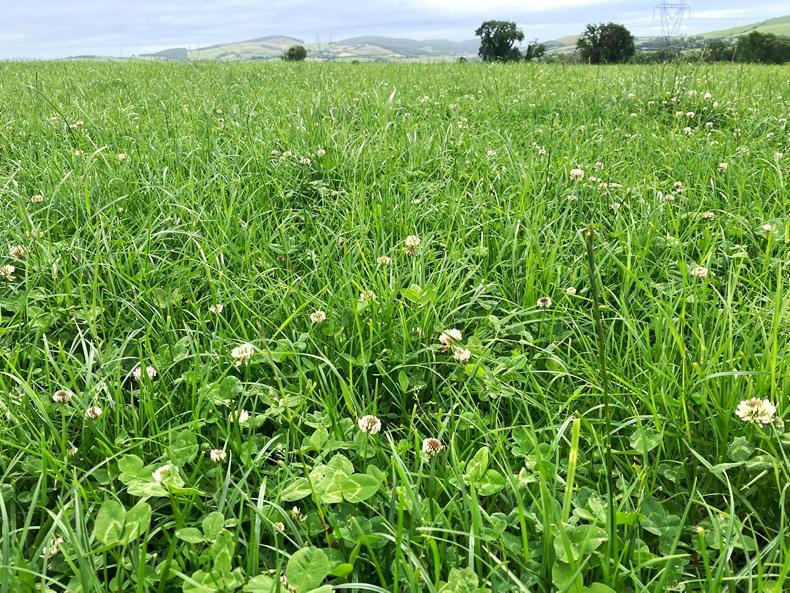
I have a lot of grass on the farm, but I haven’t spread any chemical nitrogen in a long time, relying on the clover in the sward to do the work. As a result I’m expecting growth to fall off in the coming weeks, so this bank of grass will be needed.
Cows are grazing covers of 1,400kg DM/ha, as I am building up their intake capacity post calving.
There are some heavy covers there that I would ideally like to bale out if we get an opportunity with the weather.
Two paddocks have been closed up beside the yard for calves to graze while they are housed.
System Suckler to weanling
Soil Type Variable
Farm cover (kg/DM/ha) 1,069
Growth (kg/DM/ha/day) 34
Demand (kg/DM/ha/day) 29


SHARING OPTIONS