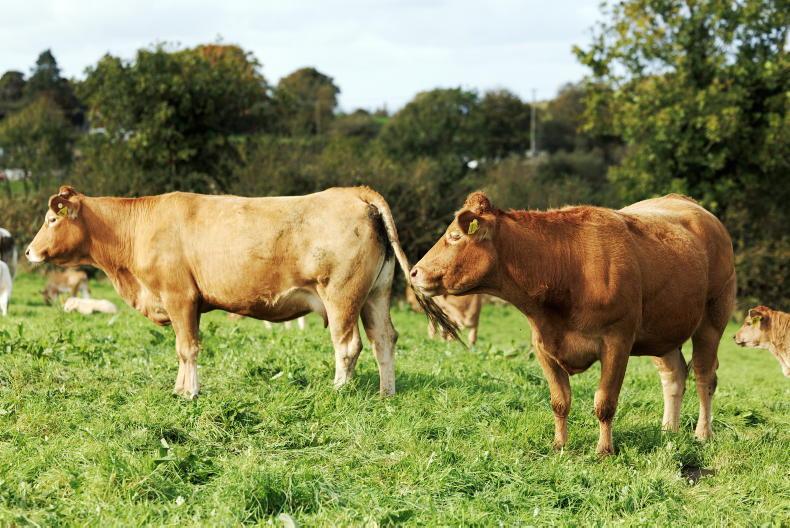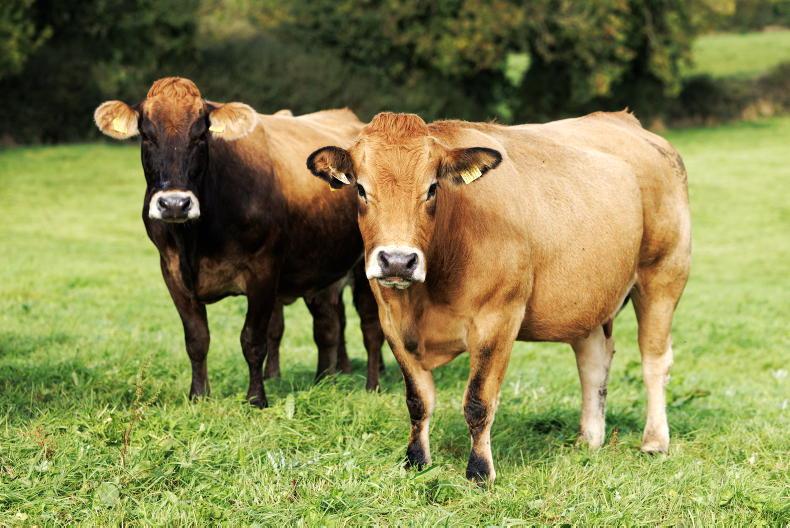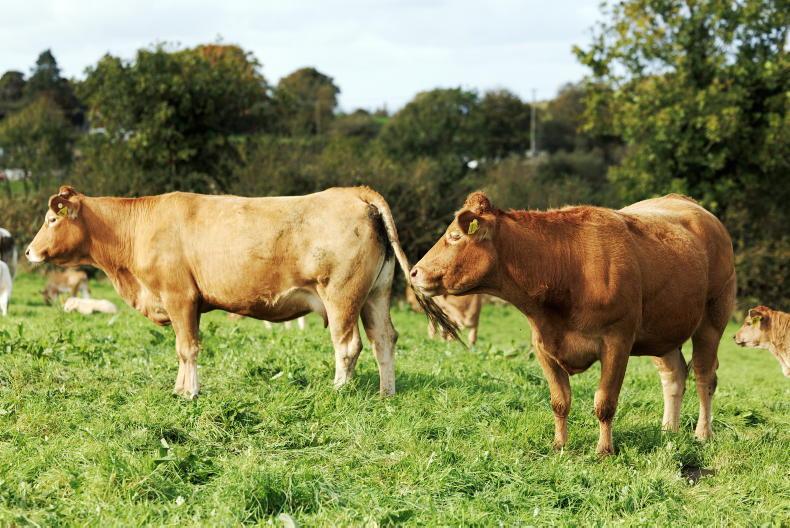
Rainfall two weeks ago forced plenty of stock in, with recent dry days suiting those that were able to withstand it. It’s the challenge in beef v dairy farming in that we can’t get grass in to a diet today, house tomorrow if it’s a bad day and then back out to grass the day after.
What farmers who are still at grass should be focusing on is getting those final few heavy covers, or covers on clover paddocks, whipped off while ground conditions are still good. While it might bring farm cover down considerably, these covers over 2,000kg Dm/ha are just too much of a challenge following winter growth to get any sort of a graze out on them.
While it may seem less important of a task now, the farm should still be walked and assessed regularly to ensure that over grazing does not happen.
Peter Doyle – Derrypatrick Herd, Co Meath
Ground is still in good order and we are getting good graze outs on paddocks. All the finishing stock are sold three weeks now, and owing to the high growth this autumn we have weaned just 50% of the cows and calves.
All weanlings, half the cows and replacement heifers remain at grass. We will wean an additional batch of cows next week and finish weaning by mid-November.
Weanlings have seen increased daily gains from the delayed weaning, with males weighing 350kg on average, and heifers averaging 310kg.
Cattle are grazing a red clover sward to remove cover before the winter.
Clover content is approximately 55% which is the highest we would have grazed this year, so we have bloat oil going into water troughs, an alternative fibre source and are giving 24-hour breaks to cattle.
System Suckler to beef
Soil Type Variable
Farm cover (kg/DM/ha) 732
Growth (kg/DM/ha/day) 20
Demand (kg/DM/ha/day) 15
Niall O’Meara – Killimor, Co Galway
Growth fell back as I grazed hard when I got the chance owing to the good ground conditions and the fact that closing cover is below where it would normally be for this time of year.
All calved cows and yearling heifers are now indoors since the weekend, with calves having access to paddocks close to the yard via a creep gate.
They need to be herded for the first few days, but will soon adapt and move in and out themselves.
Cows are receiving 1.5kg of concentrates/day on top of the silage for six weeks while breeding is happening, with breeding due to commence around the 7 November.
I’m never too hung up on starting dates and if a few come a day or so early, I will serve them. Cows received their mineral and copper boluses this week.
System Suckler to weanlings/ beef
Soil Type Variable
Farm cover (kg/DM/ha) 398
Growth (kg/DM/ha/day) 0
Demand (kg/DM/ha/day) 6
Shaun Diver – Tullamore Farm, Co Offaly
In-calf heifers have been turned back out onto grass, with all other cattle indoors. Weanling heifers born between 2020-25 will go back out to kale in about two to three weeks, but we always house these and get them acclimatised to eating silage before going on to kale.
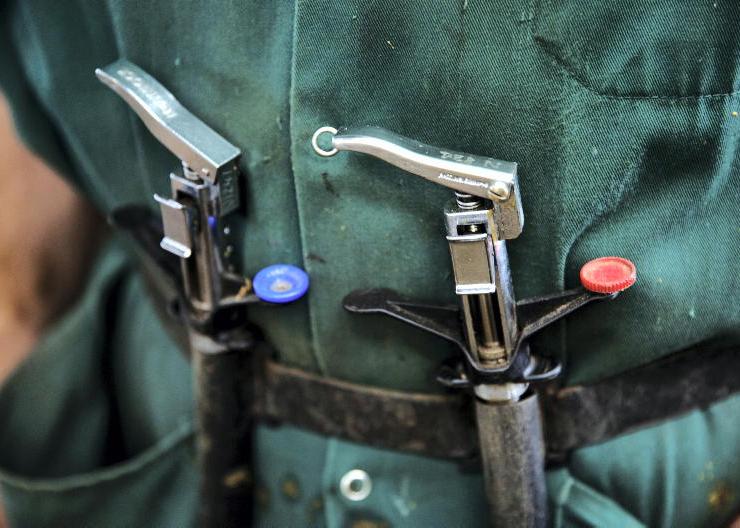
I will turn them out a week earlier to clean up some paddocks close to the yard. All weanlings were treated with Dectomax this week, with bulls being clipped. Bulls are indoors full time and are receiving 3kg meal/head/day.
Ewe lambs were joined with the rams a week ago, while the main flock now has three weeks of breeding complete. Most Suffolk and Texel ewe lambs are weighing between 55-62kg live weight prior to breeding. We are swapping rams around this week now and changing colours of raddles to identify any fertility issues.
System Suckler to beef
Soil Type Variable
Farm cover (kg/DM/ha) 705
Growth (kg/DM/ha/day) 18
Demand (kg/DM/ha/day) 11