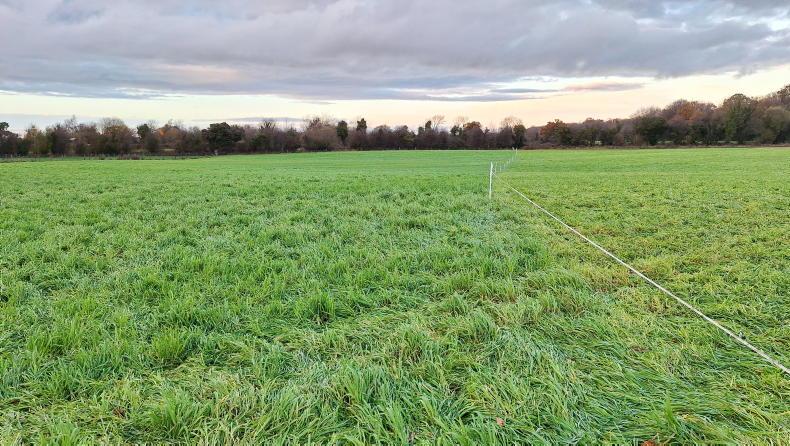
I have yet to remember a year like 2026 from the point of grass growth and management. Spring brought with it an exceptional wet and challenging start to the grazing season, with farmers in drier areas tight on fodder eating into their reserves in March and April.
May brought with it exceptionally good growthy weather, with some early first cuts of extremely high quality, but with very little bulk in it harvested. Then it simply continued getting hotter and drier for weeks on end with no respite. Farmers in the east and south saw paddocks slow before eventually stalling, with covers literally melting away before their eyes. Meanwhile in the west and northwest, dust flew from hay balers, with some farmers able to make hay from second cut grass conditions were that dry.
It took a significant amount of time for things to turn around, with June, July and August remaining dry, with just sprinkles of rain for those most parched counties in the end of August. September finally saw the change in the tide, and as rain fell, growth recovered and we had an exceptional period of growth in October. Now for a finish, we have some ideal grazing conditions for those still at grass.
Thankfully, most farmers were able to make sufficient silage to carry them over the winter periods, with many late cuts of variable quality being made. This should carry them through winter, provided that we do not have another delayed spring like this year. We live in hope.
Ken Gill – Clonbollogue, Co Offaly
Stores are still at grass, which is about two weeks later than normal. They have finished grazing the grass undersown, on some of the tillage ground and I turned them out on to some grass paddocks that had some nice covers on them.
They will go out on to the turnips, rape and kale now at the weekend, with strip wires having been set up for this. They have a decent grass lie back off of it, and I will supplement with silage as needed.
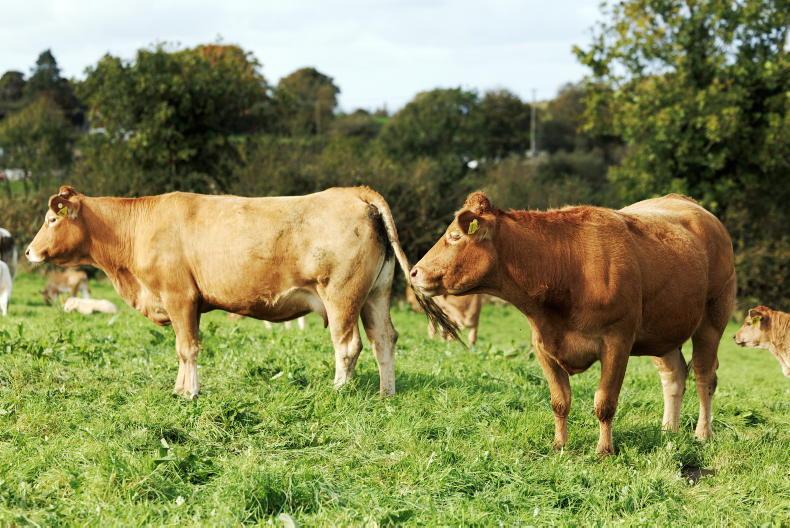
Cows and calves were housed on October 23 with breeding commencing four days later. A total of 65 cows have been served to date. Calves have access to their own creep shed with the best quality silage offered here, with access to a paddock off this also available. I’m currently hunting them out, but soon they will work away themselves.
System Organic suckler to beef
Soil Type Variable
Farm cover (kg/DM/ha) 313
Growth (kg/DM/ha/day) 12
Demand (kg/DM/ha/day)
Jack Spillane – Tipperary Farm, Co Tipperary
All weanlings remain at grass and are receiving 1.5kg/head/day of beef ration. Ground conditions are good for the time of year. We hope to keep all weanlings out for another fortnight before we start housing some of them.
Due to having a low demand for grass in spring, with just yearling cattle and a small number of two-year-olds to hand, we can deplete cover down, with too much grass often being the challenge.
The last of the store cattle have been housed, with 33 late-maturing bullocks housed for the winter to be turned out to grass next spring and slaughtered off grass at under 30 months. 158 other cattle are on a finishing diet of 4kg of beef ration and ad-lib high-quality silage. We have selected 40 cattle for slaughter next week from this.
System Dairy calf to beef
Soil Type Variable
Farm cover (kg/DM/ha) 608
Growth (kg/DM/ha/day) 12
Demand (kg/DM/ha/day) 16
William Treacy – Hackballscross, Co Louth
We have very little stock in at the minute, with just beef heifers for finishing and bulls housed. Three weeks ago things looked a lot worse, and we thought we would be housing early, but this has been a welcome relief.
Nearly all the spring calvers have been weaned at this point, with cows housed post weaning before being turned back out to grass again. Autumn calvers and a batch of heifers running with a bull remain at grass as well.
Dairy beef calves remain at grass and should stay out for an additional two to three weeks grazing off silage ground. I plan to have silage ground cleaned off and left bare with no spring grazing to be done on this.
I took the opportunity to spread 130 tonnes of lime across 100 acres with the exceptional weather, with more hopefully completed in spring.
System Suckler to beef
Soil Type Variable
Farm cover (kg/DM/ha) 689
Growth (kg/DM/ha/day) 28
Demand (kg/DM/ha/day) 33