Ringworm: I have noticed a lot of ringworm in housed cattle lately. Ringworm is a fungus and it will quickly spread to other cattle. It can also persist for months in housed cattle if pens are not disinfected and power-washed between outbreaks, as disinfection on its own will not prevent its spread. Ringworm is most common in calves as they will have had lower exposure. Older cattle can still be re-infected if they have suppressed immunity from other health problems, such as respiratory diseases during the housing period. Many housed cattle will have exposed skin around the head and neck area from rubbing against feed barriers. As cattle are penned in close quarters, ringworm can be easily spread from animal to animal as they make contact when feeding or drinking. Infected animals will usually show the characteristic ring shape fungal infection around three weeks from picking up ringworm. Ringworm will generally heal itself once cattle go out to grass, but severe cases may take months to cure. Good hygiene practice can reduce the incidence of ringworm.
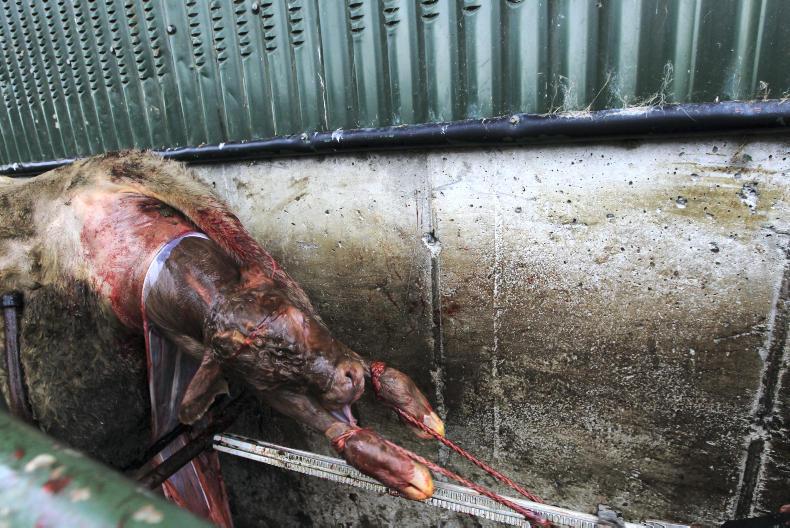
Calving intervention: How quickly should you intervene when cows are calving is a commonly asked question. There is a tendency to intervene too early when a cow is calving, especially late at night as it may ease management to have the cow calved and the calf sucked before bedtime. However, starting to pull the calf too early before the pelvis has fully opened can create calving problems. Also, the calf may not be in the correct position and pulling too early can place stress on the cow and calf. Heavy pulling of the calf can lead to further problems with suckling once the calf is born. Generally speaking, once the water bag has burst, you should observe on 30 minute intervals to check progress but do not disturb the cow. If calving is progressing well, you should not intervene. If the calf has not been born within two hours of the water bag bursting, you should then intervene to check for mal-presentation or if veterinary assistance is required. With a heifer, allow one hour to calve after the water bag bursts before intervening. If she is making progress, leave her be. When progress stops or the calf becomes distressed, step in then and assist. With cows in good body condition, restricting silage intake or moving onto a hay diet for two to three weeks pre-calving may reduce calving difficulty. Dry cow minerals are essential when feeding low protein forages such as hay.
Injection sites: When injecting an animal, consider carefully where you insert needles. Ideally, injections should be given in the neck as it is an area of lower carcase value compared with the loin or ribs. It also tends to be less dirty than the hind quarter where faeces can accumulate due to the animal lying on slats. Operator and housing hygiene is important. As injections pierce the skin, it is possible for bacteria to enter the opening and cause an abscess. When the abscess subsides, the muscle develops scar tissue which is unfit for consumption and has to be trimmed off the carcase making it less valuable. Always massage the skin after injecting an animal. Products that require more than one shot should have each shot administered on opposite sides of the animal’s neck.
ADVERTISEMENT
Register for free to read this story and our free stories.
This content is available to digital subscribers and loyalty code users only. Sign in to your account, use the code or subscribe to get unlimited access.
The reader loyalty code gives you full access to the site from when you enter it until the following Wednesday at 9pm. Find your unique code on the back page of Irish Country Living every week.
CODE ACCEPTED
You have full access to the site until next Wednesday at 9pm.
CODE NOT VALID
Please try again or contact support.
Ringworm: I have noticed a lot of ringworm in housed cattle lately. Ringworm is a fungus and it will quickly spread to other cattle. It can also persist for months in housed cattle if pens are not disinfected and power-washed between outbreaks, as disinfection on its own will not prevent its spread. Ringworm is most common in calves as they will have had lower exposure. Older cattle can still be re-infected if they have suppressed immunity from other health problems, such as respiratory diseases during the housing period. Many housed cattle will have exposed skin around the head and neck area from rubbing against feed barriers. As cattle are penned in close quarters, ringworm can be easily spread from animal to animal as they make contact when feeding or drinking. Infected animals will usually show the characteristic ring shape fungal infection around three weeks from picking up ringworm. Ringworm will generally heal itself once cattle go out to grass, but severe cases may take months to cure. Good hygiene practice can reduce the incidence of ringworm.
Calving intervention: How quickly should you intervene when cows are calving is a commonly asked question. There is a tendency to intervene too early when a cow is calving, especially late at night as it may ease management to have the cow calved and the calf sucked before bedtime. However, starting to pull the calf too early before the pelvis has fully opened can create calving problems. Also, the calf may not be in the correct position and pulling too early can place stress on the cow and calf. Heavy pulling of the calf can lead to further problems with suckling once the calf is born. Generally speaking, once the water bag has burst, you should observe on 30 minute intervals to check progress but do not disturb the cow. If calving is progressing well, you should not intervene. If the calf has not been born within two hours of the water bag bursting, you should then intervene to check for mal-presentation or if veterinary assistance is required. With a heifer, allow one hour to calve after the water bag bursts before intervening. If she is making progress, leave her be. When progress stops or the calf becomes distressed, step in then and assist. With cows in good body condition, restricting silage intake or moving onto a hay diet for two to three weeks pre-calving may reduce calving difficulty. Dry cow minerals are essential when feeding low protein forages such as hay.
Injection sites: When injecting an animal, consider carefully where you insert needles. Ideally, injections should be given in the neck as it is an area of lower carcase value compared with the loin or ribs. It also tends to be less dirty than the hind quarter where faeces can accumulate due to the animal lying on slats. Operator and housing hygiene is important. As injections pierce the skin, it is possible for bacteria to enter the opening and cause an abscess. When the abscess subsides, the muscle develops scar tissue which is unfit for consumption and has to be trimmed off the carcase making it less valuable. Always massage the skin after injecting an animal. Products that require more than one shot should have each shot administered on opposite sides of the animal’s neck.
If you would like to speak to a member of our team, please call us on 01-4199525.
Link sent to your email address
We have sent an email to your address. Please click on the link in this email to reset your password. If you can't find it in your inbox, please check your spam folder. If you can't find the email, please call us on 01-4199525.
ENTER YOUR LOYALTY CODE:
The reader loyalty code gives you full access to the site from when you enter it until the following Wednesday at 9pm. Find your unique code on the back page of Irish Country Living every week.







SHARING OPTIONS