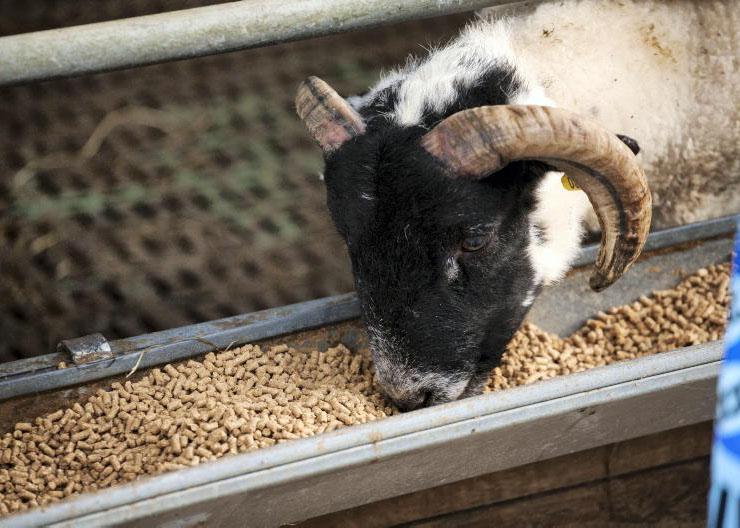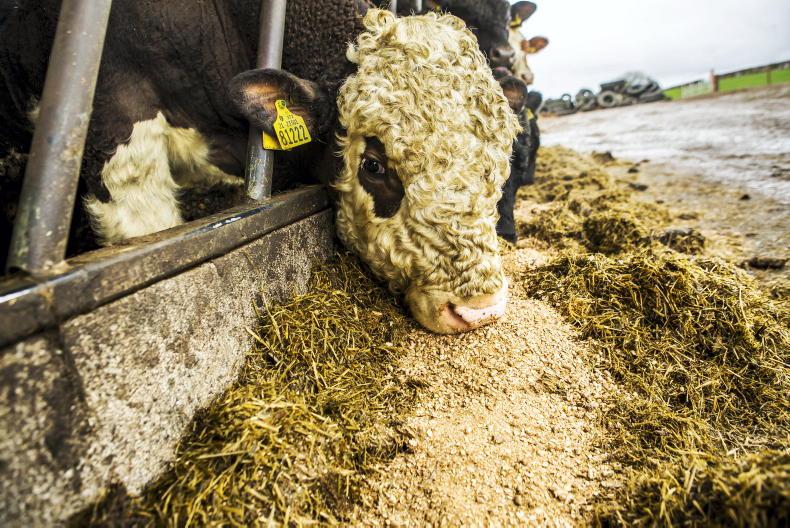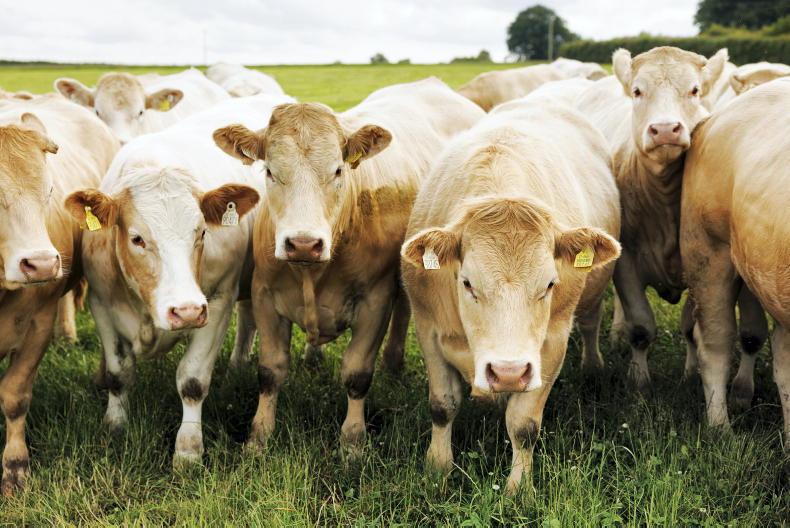
Supplementation at grass: Energy content of grass will start to wane as we approach the back end of the year, with forward store cattle and weanlings requiring some form of concentrate to maintain growth. Where supplementation is not taking place for forward cattle, it is time to consider it.
Rainfall will also push grass to grow rapidly and with low dry matter, further exacerbating the issue. Early spring-born weanlings should be offered 1-2kg ration/day for heifers and 2-3kg/day for bulls, especially if weanlings are being sold as the extra weight gain will cover the costs of creep feeding, while farmers in the beef welfare scheme will be required to feed all weanlings with an expected usage of 1kg/head/day. Forward store cattle due to be slaughtered off grass should be getting concentrates at this stage.
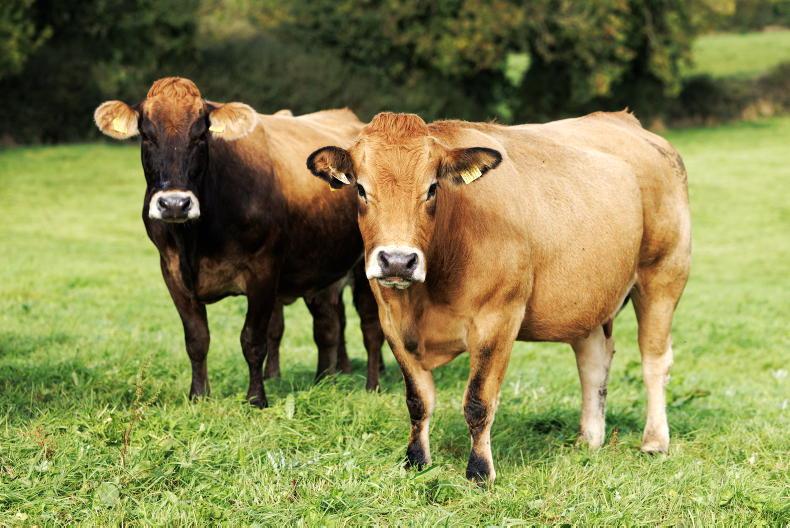
Heifers should be built up to 2-4kg and bullocks to 4-6kg of ration/day for 40 to 60 days prior to slaughter. Traditional breeds may not require much supplementation, with caution urged over supplementing smaller framed traditional breeds as these can become over fat without hitting the required carcase weight, impacting your factory cheque on both the paid kilos of beef as well as the price per kilo.
Nitrate poisoning: Mayo ended a drought of 75 years on Sunday in winning the All-Ireland final, with rainfall also blessing the celebrating crowds. With good levels of rainfall hitting the west coast over the last few days, farmers need to be cautious of nitrate poisoning. Nitrate poisoning in cattle is a fatal metabolic condition caused by eating plants or drinking water high in nitrates, which rumen microbes convert into toxic nitrites. Key triggers include rapid growth after rain and heavily fertilized fields.
Hopefully paddocks were not overly fertilised during the dry spell, and if applying fertiliser with recent rainfall, ensure units are kept low with no more than 20 units and ideally less applied per acre; it is easy to top these up again in a fortnight.
Laboured breathing and a staggered drunk-like walk are some of the signs of nitrate poisoning, with cows also known to abort because of it. Immediate veterinary assistance is required for animals with nitrate poisoning.
Farmyard maintenance: With many of the summer tasks now complete on beef farms, some general maintenance is a good place to spend some time. Fencing always requires some TLC, with some farmers having struggled with electric fence units not earthing properly due to the dry weather. If this remains an issue, wetting the ground around the earth rods and driving some additional deep rods should aid. Sheds should also be washed and disinfected by this stage; if not, get to it. Disinfectants are not necessary but are a small cost to pay for helping to reduce the disease pressure on housed animals, especially on diseases that we are possibly unaware are in our herd.
Repairs to gates, barriers and drinking troughs should also be completed when the shed is clean, while gutters should be cleaned and outflow not entering slatted tanks.