



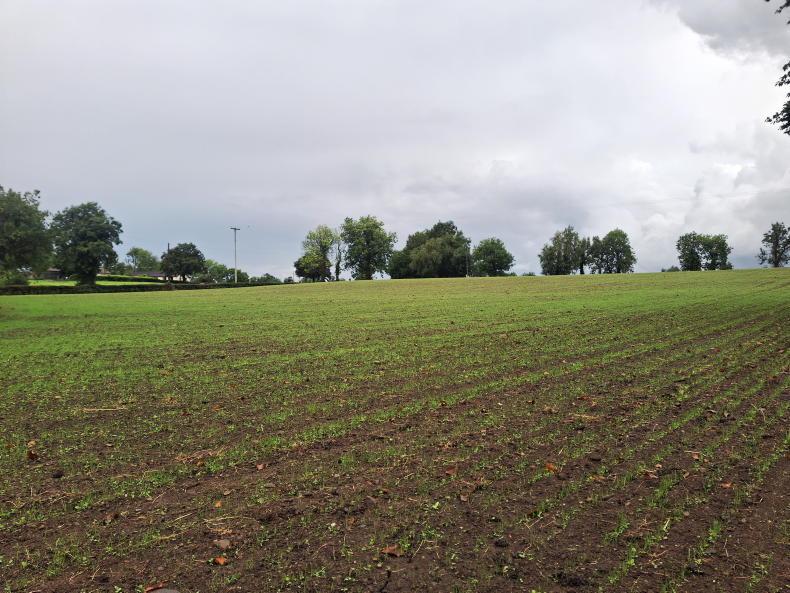
Reseeding: After a delayed spring, farmers are wondering is it still a good time to reseed some older pasture. Soil moisture is still relatively high in the western half of the country, but farmers who are in drier soils in the east and south east would have to seriously consider if it is best to leave until the autumn.
Spraying off a field today, a farmer would still have to wait 10-14 days before commencing tilling and if seed was put in straight away, we would expect germination by mid-June which can be a very dry time of the year and put the newly germinated seed under pressure. Stitching in grass into a sprayed-off sward will do little extra good should the weather turn dry, and in my experience, this requires higher levels of soil moisture to be present.
Where reseeding is taking place, be sure that seed beds are rolled after sowing has taken place to conserve as much moisture as possible and ensure good seed-to-soil contact.
Lime: Lime is often called the forgotten fertiliser and for good reason; our annual usage is significantly behind where it should be. The first step to increasing grass growth across the year is ensuring our pH is correct in soils, and for the majority of soils it is below the optimum range of 6.3-7.0 for mineral soils and 5.5-5.8 for peatland soils.
Correcting soil pH can release up to 80kg N/ha/year while also unlocking phosphorus and potassium that are sitting in soil. Correcting the pH of soil from 5.2 to 6.3 will increase grass production by 1t DM/ha or more with no increase in fertiliser.
While lime can be applied at any stage of the year, you should wait at least three months after liming before applying urea or slurry application. If it is necessary to apply one of these, then apply these first and wait 10 days after before applying lime to avoid nitrogen loss.
Some farmers have also been wondering about spreading lime on silage fields that will be cut in the coming weeks. This is generally not recommended as it can contaminate the leaf and affect preservation due to increasing the silage pH. Where lime is required on silage ground, it is best applied between cuts.
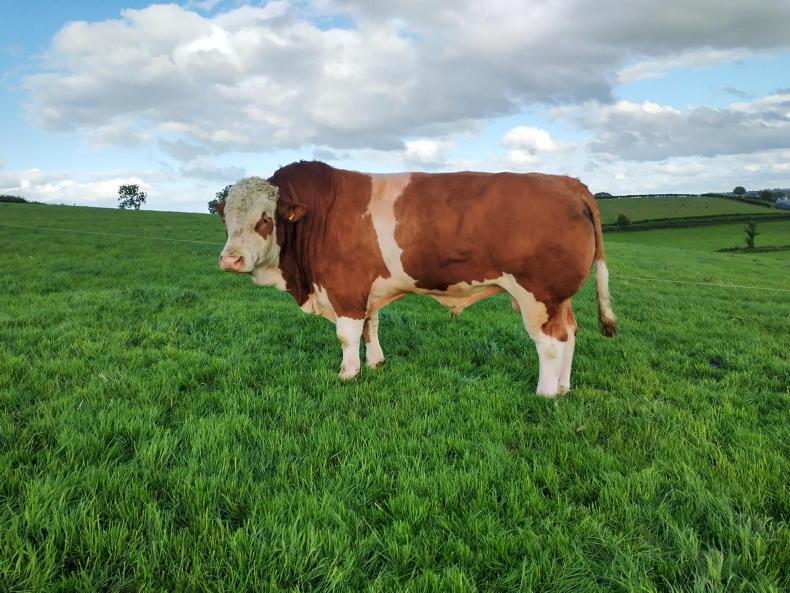
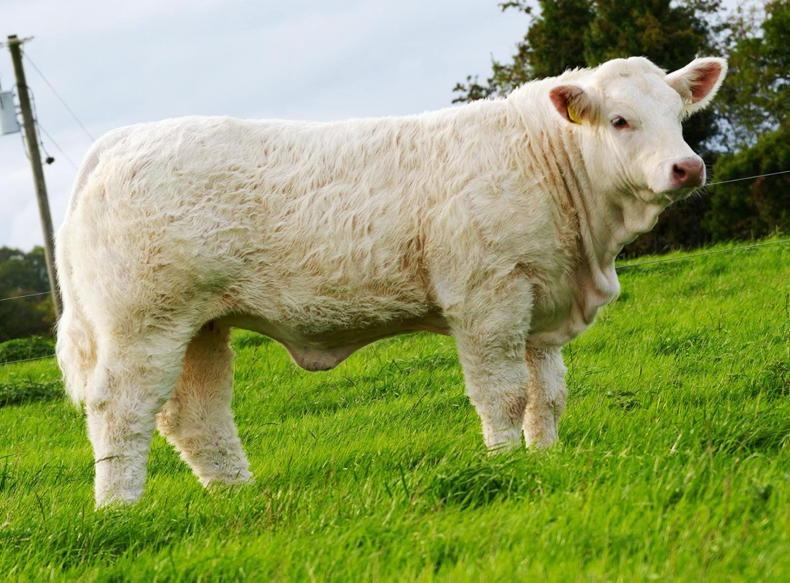
Breeding bulls: Breeding has kicked off on many farms this week, with the settled weather helping to identify heats in cows. While weather is improved, nights are cool and it’s important to monitor stock bulls for pneumonia and chills, with these animals sweating during the day during mounting activity then seeing their body temperature drop rapidly at night.
If a young bull has been brought into the herd, it is a good idea to offer a small amount of concentrates at grass to them if it is safe to do so to maintain their energy intake and prevent excessive weight loss; this is generally not a requirement of older bulls unless they are serving a very large number of cows. Using a chinball harness or electronic device will aid in knowing which cows have been served, though mounting activity should also be completed by eye.



SHARING OPTIONS