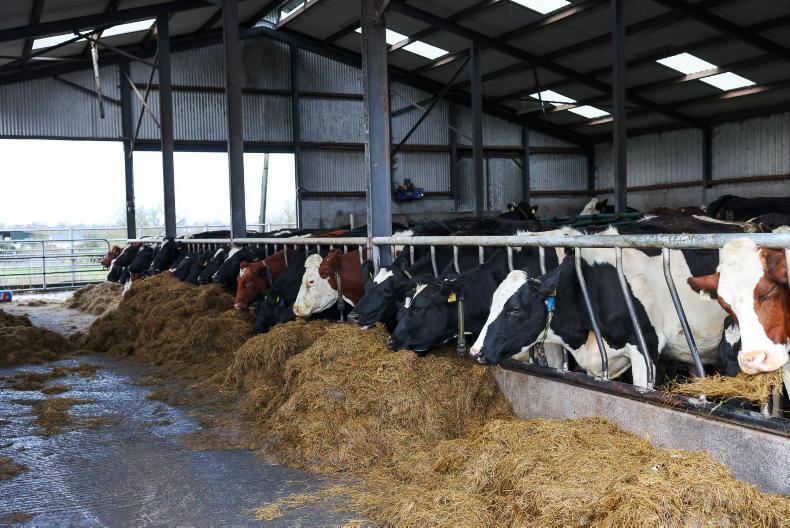
Silage quality: It’s critically important to match silage quality with the needs of animals. Some excellent silage was made early in the year, but some mediocre-quality has been made since mid-September.
You can’t manage what you don’t measure, so it is essential that you get your silage tested to assess protein levels and DMD and match this with your stock’s requirements, particularly for weanling and finishing stock.
Late-cut silage tests have also shown high nitrate levels in many cases which will affect preservation. This silage should be left a minimum of four to five weeks before use, but leaving it over until spring will likely see this silage become inedible. Get silage tested and consult with a nutritionist on how best to manage it.
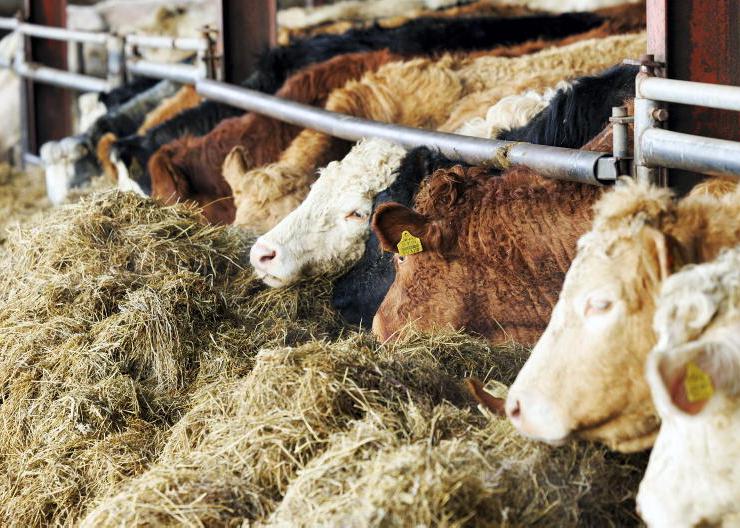
Concentrates: We can often get caught up in protein percentages, but energy is the true driver of performance. For suckler cows and growing stock, energy is measured in UFL while for finishing cattle, the energy of feed is measured in UFV.
Concentrates should have a UFV or UFL value of 0.93-0.94/kg fed to ensure a high-energy mix, with a good cereal content. Before purchasing, check with your feed supplier about the UFL or UFV energy values in their rations.
Read the label of the concentrate, with ingredients listed in descending order. High-quality grains should make up the bulk of the diet with limited fillers used. It is also worthwhile asking for concentrates which have a minimum percentage of native Irish grains included to ensure that we continue to have a viable tillage sector in Ireland.
Mishandling of wormers: A farmer contacted me in recent days regarding weanling bulls that were continuing to cough despite being treated with an injectable ivermectin solution. Heifer weanlings treated with the same product ceased coughing after a number of days. Following consultation with their vet, it was discovered that the bulls had been treated using a previously opened bottle of solution which had lost its efficacy, while heifers had been treated using a freshly opened bottle. The vet highlighted that shelf life of injectable mectins was one month, while oral drenches last significantly longer. With staggered housing and treatment taking place this year, it is worth being aware of the above.
Had the farmer not used a new bottle of the same product for their heifers, resistance to the wormer would have been suspected Cattle should typically cease coughing one week after treatment. If they do not, it is best to consult your vet on what appropriate action should be taken.
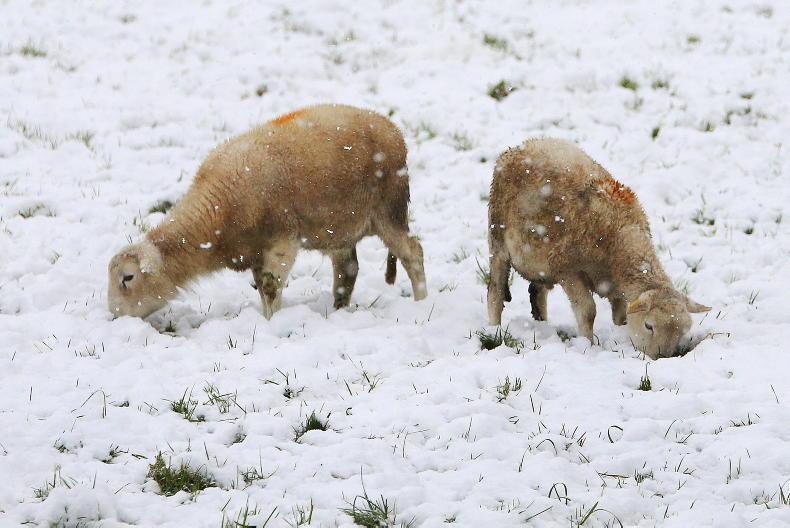
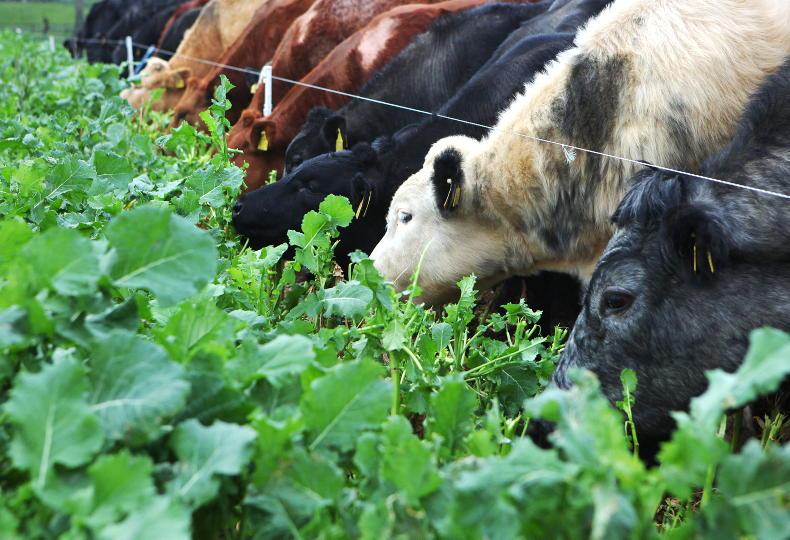
Forage crops: With some frostier nights, vigilance is needed around feeding forage crops. It is not recommended to feed frozen crops, as sudden deaths can occur from feeding due to nitrate poisoning. The best advice is to wait until frost or snow has thawed out, usually by mid-morning, but where frost or snow might persist, it is best to feed additional forage in the form of silage. Make sure drinkers are flowing and not frozen and ensure animals have been supplemented with minerals.