Very warm conditions over the past week have increased heat stress on cattle. On very hot days try to have cattle in sheltered paddocks.
ADVERTISEMENT
Worm control
Recent warm wet conditions will have increased the chances of worm burdens rising on pastures. Grazing management can have an influence on the level of infection at pasture. Pastures where cattle and sheep have been grazed together should have a lower cattle worm burden and also paddock grazing systems will carry lower worm burdens than set stocking systems. Spring-born calves will have no immunity to worms, unlike adult cattle who will have attained some immunity in their first grazing season at grass. Dairy-bred calves are very susceptible to worm infection and should be treated as priority when treating stock. Faecal sampling is a good way of determining whether a dose is needed and will help in reducing wormer resistance on your farm. First-calving heifers can sometimes have a low level of immunity built up if dosed a number of times in their first grazing season. If you think they are performing poorly or thin, take some faecal samples and get them analysed. Clinical signs of lungworm infection include coughing and difficulty breathing. Infected animals will have an increased susceptibility to pneumonia. Incidences of lung worm infection will tend to be later in summer months.
Herding
ADVERTISEMENT
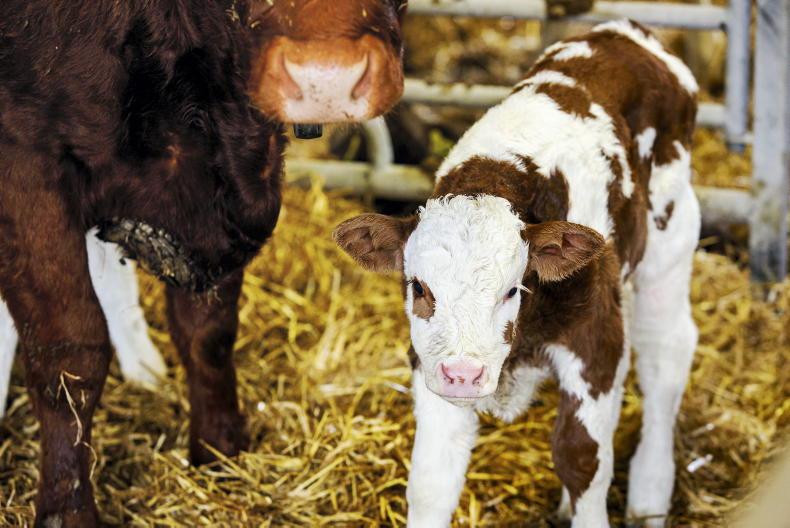
Very warm conditions over the past week have increased heat stress on cattle. On very hot days try to have cattle in sheltered paddocks where they can stand in the shade during the day. Water intakes will be high and keep an eye on drinkers that they haven’t been turned over from excessive drinking. Make sure young calves can access drinkers. Heat stress can bring on pneumonia. There have been issues with pneumonia this week on Tullamore Farm, where calves have been running a temperature. One calf has died and another two are being treated with antibiotics. On veterinary advice, they will be vaccinated earlier this year as a result of this challenge. Last year, they received two shots pre-weaning. This will be given two months earlier this year. Keep any eye on autumn-calving cows for any signs of mastitis. There are numerous preventative methods that can be used including tar, garlic licks, fly tags, applying pour-on but none eliminate the need for daily herding.
Silage
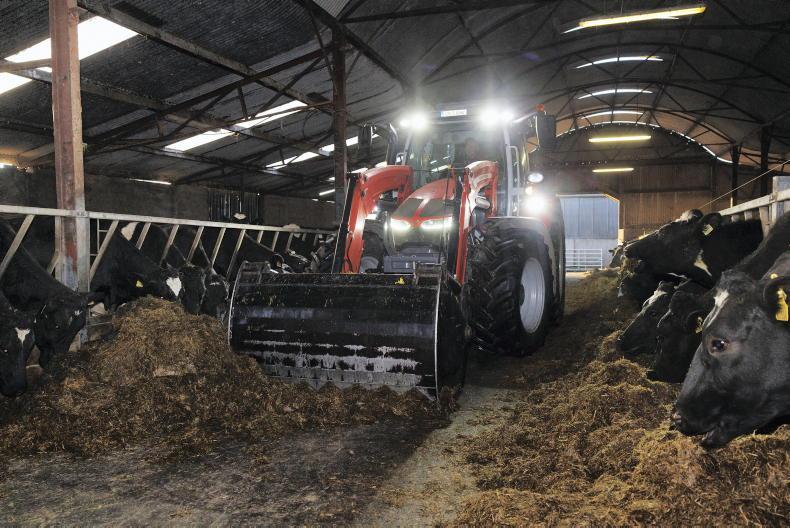
With a lot of silage being cut this week, those who are thinking of closing up for a second cut should plan their fertiliser requirements now. Slurry should be applied first, with about a week left between slurry and fertiliser application to avoid nitrogen losses. As grass growth and yields are generally lower than first-cut, the advice is to go with 70 units/acre (2.5 bags of 27.5 CAN/acre) on old pasture and around 80 units/acre on perennial ryegrass swards. Take account of nitrogen in any slurry that has been spread, however nitrogen recovery will be lower in summer. One thousand gallons of slurry should contain about three units nitrogen (N), five units phosphorus (P) and 30 units of potassium (K). Get as much slurry out now as you can when ground conditions are good and nutrients can be returned to silage fields where it’s needed.
Register for free to read this story and our free stories.
This content is available to digital subscribers and loyalty code users only. Sign in to your account, use the code or subscribe to get unlimited access.
The reader loyalty code gives you full access to the site from when you enter it until the following Wednesday at 9pm. Find your unique code on the back page of Irish Country Living every week.
CODE ACCEPTED
You have full access to the site until next Wednesday at 9pm.
CODE NOT VALID
Please try again or contact support.
Worm control
Recent warm wet conditions will have increased the chances of worm burdens rising on pastures. Grazing management can have an influence on the level of infection at pasture. Pastures where cattle and sheep have been grazed together should have a lower cattle worm burden and also paddock grazing systems will carry lower worm burdens than set stocking systems. Spring-born calves will have no immunity to worms, unlike adult cattle who will have attained some immunity in their first grazing season at grass. Dairy-bred calves are very susceptible to worm infection and should be treated as priority when treating stock. Faecal sampling is a good way of determining whether a dose is needed and will help in reducing wormer resistance on your farm. First-calving heifers can sometimes have a low level of immunity built up if dosed a number of times in their first grazing season. If you think they are performing poorly or thin, take some faecal samples and get them analysed. Clinical signs of lungworm infection include coughing and difficulty breathing. Infected animals will have an increased susceptibility to pneumonia. Incidences of lung worm infection will tend to be later in summer months.
Herding
Very warm conditions over the past week have increased heat stress on cattle. On very hot days try to have cattle in sheltered paddocks where they can stand in the shade during the day. Water intakes will be high and keep an eye on drinkers that they haven’t been turned over from excessive drinking. Make sure young calves can access drinkers. Heat stress can bring on pneumonia. There have been issues with pneumonia this week on Tullamore Farm, where calves have been running a temperature. One calf has died and another two are being treated with antibiotics. On veterinary advice, they will be vaccinated earlier this year as a result of this challenge. Last year, they received two shots pre-weaning. This will be given two months earlier this year. Keep any eye on autumn-calving cows for any signs of mastitis. There are numerous preventative methods that can be used including tar, garlic licks, fly tags, applying pour-on but none eliminate the need for daily herding.
Silage
With a lot of silage being cut this week, those who are thinking of closing up for a second cut should plan their fertiliser requirements now. Slurry should be applied first, with about a week left between slurry and fertiliser application to avoid nitrogen losses. As grass growth and yields are generally lower than first-cut, the advice is to go with 70 units/acre (2.5 bags of 27.5 CAN/acre) on old pasture and around 80 units/acre on perennial ryegrass swards. Take account of nitrogen in any slurry that has been spread, however nitrogen recovery will be lower in summer. One thousand gallons of slurry should contain about three units nitrogen (N), five units phosphorus (P) and 30 units of potassium (K). Get as much slurry out now as you can when ground conditions are good and nutrients can be returned to silage fields where it’s needed.
If you would like to speak to a member of our team, please call us on 01-4199525.
Link sent to your email address
We have sent an email to your address. Please click on the link in this email to reset your password. If you can't find it in your inbox, please check your spam folder. If you can't find the email, please call us on 01-4199525.
ENTER YOUR LOYALTY CODE:
The reader loyalty code gives you full access to the site from when you enter it until the following Wednesday at 9pm. Find your unique code on the back page of Irish Country Living every week.






SHARING OPTIONS