


The annual herd test for a 30-cow suckler herd has increased from €438 in 2013 to €441 in 2014 according to our Costwatch survey of farmers across the country.
The biggest saving, which will only be felt in farmers’ pockets from 2015 onwards, is as a result of the announcement by the Minister for Agriculture that the annual brucellosis test will no longer be in existence. This should help farmers save a considerable sum of money.
In years gone by it was almost impossible to save significant amounts on the herd test due to lack of competition.
If we fast forward to what Costwatch will look like without the annual brucellosis test and all other charges staying the same, a 30-cow suckler farmer would only have to pay €239.20 for his annual herd test, a saving of over €200.
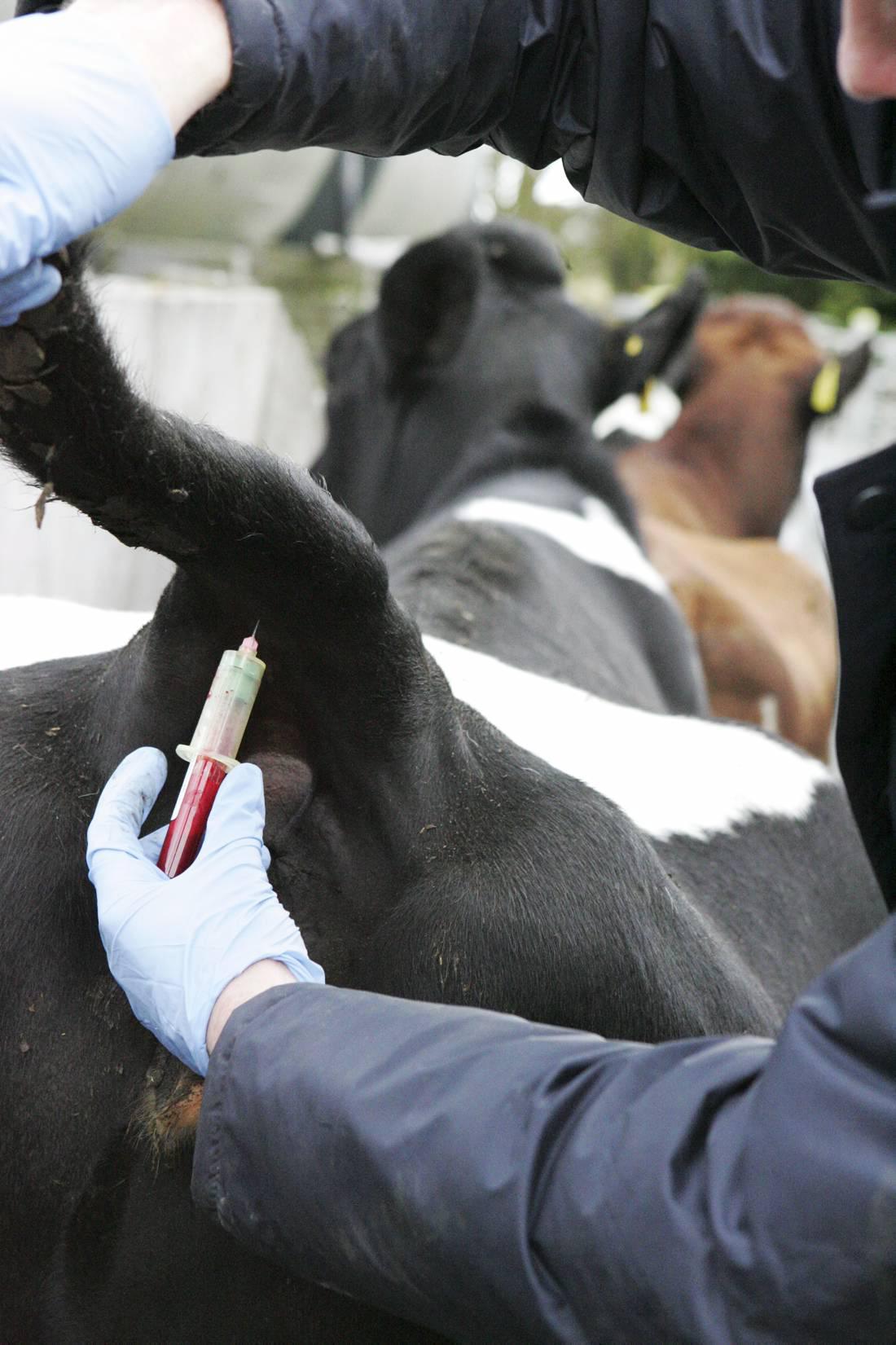
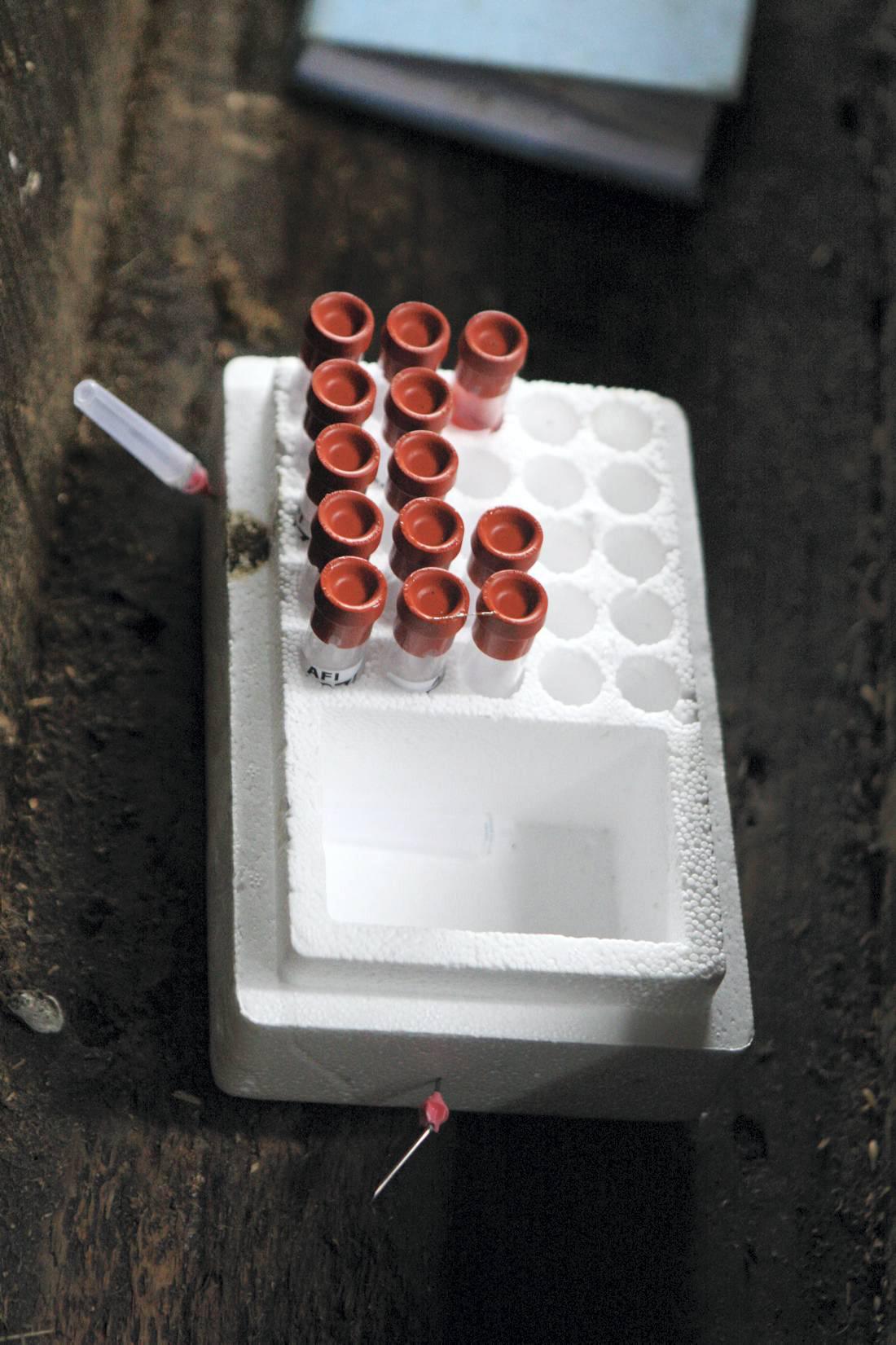
To arrive at this year’s figure of €441 for the annual herd test cost for a 30-cow suckler herd with five in-calf heifers and 30 weanlings, a callout charge of €53.05 was allocated for each farm visit by a vet. All 65 animals had to be TB-tested and 30 had to be blood-tested for brucellosis as the in-calf heifers were under 18 months old.
It is clear from the survey results that there are huge variations in the prices charged. Farmers being charged the higher rates have a good opportunity to reduce their costs by shopping around.
Participants in the survey were asked to take prices directly from their veterinary bills. Prices are inclusive of the 13.5% VAT charge. We broke the cost of the herd test down into three sections – the callout charge, the TB test and the brucellosis test.
Callout charge
The callout charge remains a bone of contention between farmers and vets. Our survey results reveal a vast variation in charges. The highest charge we encountered was €110. This was high because the farmer only had a small number of animals for testing and he was charged for both visits. Other vets just charged for one visit while some didn’t charge for the callout at all and just charged for the test itself. The average charge was €53.05. According to our survey, Leinster had the highest average callout charge of €58.72. Counties in Ulster had the lowest callout charge of €38.15.
TB test
The average charge for the TB test was €3.68 per animal. This is an increase of 31c per animal since 2010. There was a huge difference in the highest and lowest charge – the highest was €5.50 and the lowest was €1.35. Some farmers received reductions of 7.5% to 10% if they paid the vet on the day of reading results.
Another farmer was charged a rate of €100/hour which worked out cheaper compared to the conventional per-head charge. Farmers with larger herds are receiving better deals because vets cannot afford to lose their business.
Brucellosis
The average brucellosis fee per animal tested this year was €3.18. The highest cost was €4.75 and that was recorded in Co Cavan. The lowest cost for the brucellosis test was €1.95 per animal recorded in Co Laois. However, the annual round brucellosis test is now a thing of the past.
The Minister for Agriculture announced that he has decided that the annual round test, under which some 600,000 animals have been tested annually in recent years, will no longer be carried out in 2015. Farmers should note that a pre-movement test remains mandatory for all female animals aged 24 months moved from a holding, except when being moved direct to slaughter. The validity period for the pre-movement test is 60 days. The 60 day pre-movement test is being retained until Northern Ireland obtains officially brucellosis free status, which is expected in the middle of 2015.
The last known case of brucellosis on Irish farms came some eight years ago and the country has had officially brucellosis free (OBF) status since 2009. The exact timing of removal of movement controls will be dependent on progress in Northern Ireland in achieving OBF status so that this step is taken when the entire island has been recognised by the EU as being entirely free from the disease.
This announcement will come as a great relief to livestock farmers, who have had to have an annual brucellosis test at a considerable cost. IFA animal health chairman Bert Stewart said the change would lead to significant financial savings for Irish farmers. “The announcement is in line with the changes sought by IFA and represents direct savings of in excess of €6m annually for farmers,” Stewart said.
Department rates
Department rates to vets have remained unchanged for the last three years. When a farmer is found to have a reactor on his farm he does not have to pay for that test. A farmer only has to pay for the clear test. It is the responsibility of the Department of Agriculture to pay for tests until the herd is clear. Table 1 gives a breakdown of the fees payable to vets for herd testing from the Department. Rates vary depending on the number of animals tested. For example, if a vet is testing between two and nine animals for the TB test they will receive €4.21/head. If they are testing over 30 animals in one herd, the rate is reduced to €3.06/head.
Northern Ireland
Northern Ireland farmers do not pay for their yearly herd test. They do, however, pay for pre-movement tests. The Department of Agriculture in Northern Ireland hopes to eradicate brucellosis by March 2015. According to DEFRA, there was an apparent deliberate infection incident which resulted in an increase in the number of infected herds in 2010, setting back the considerable progress made. The North’s agriculture minister, Michelle O’Neill, announced the age threshold for brucellosis testing was increasing from 12 to 24 months. The window for a single movement test will also be extended from 30 to 60 days.




SHARING OPTIONS