


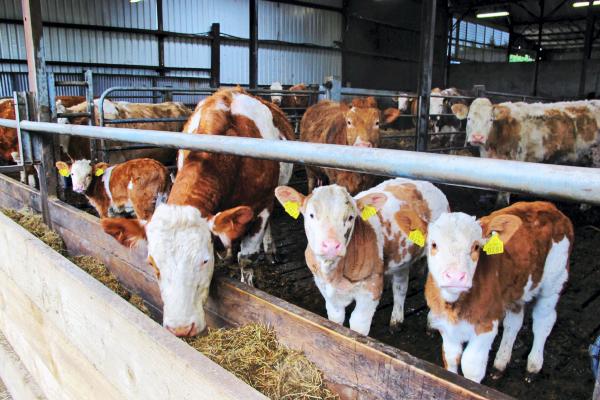
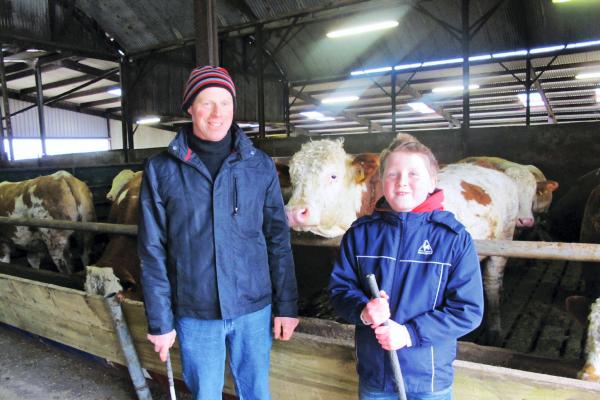
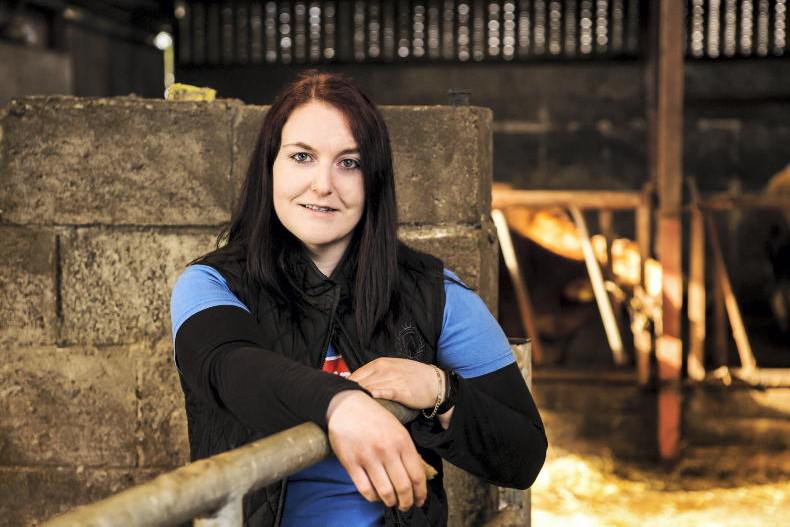
Seamus Allen farms just outside Dunhill in Co Waterford. Four years ago he fundamentally changed his farming system and started to finish all males as young bulls under 16 months of age.
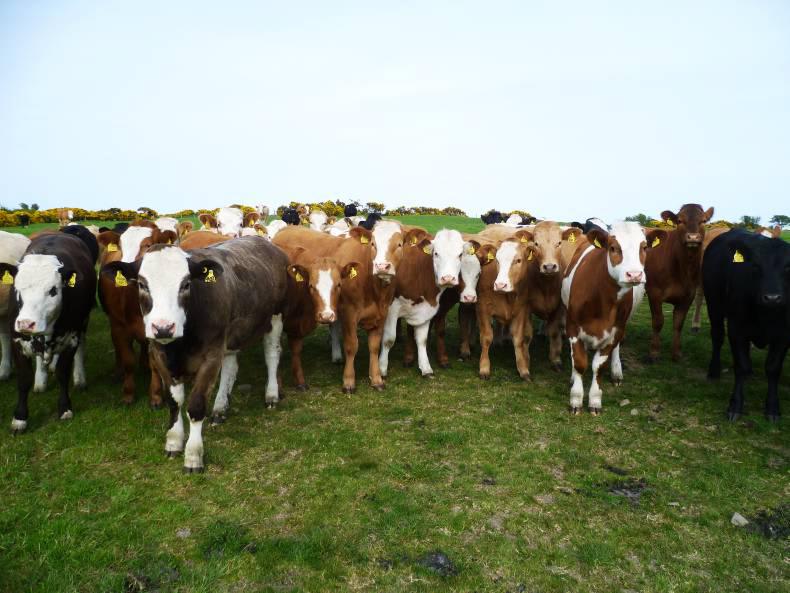
He is currently running 40 Simmental cross suckler cows, finishing bulls at 14 months of age and selling heifers as replacements at a year old. The farm walk is ideal for small farmers on low land considering a bull system to increase the farm output or for farmers considering producing replacement heifers for farmers.
Impressive Gross Margin/Ha
Last year Seamus dropped a parcel of 25 acres of rented land. He commented that in recent years the cost of conacre has risen significantly and it reached the stage where he could not see the return on the investment.
This increased his stocking rate considerably to 2.51LU/Ha. It should be noted that by dropping the rented land and increasing the stocking rate to this level, Seamus had to apply for a derogation in 2012 under the nitrates directive.
The decrease in the number of hectares farmed, combined with higher output, has resulted in 1,115kg/ha of liveweight being produced on the farm. This translated to a gross output of €2,756/ha and a gross margin of €1,546/ha, which for a suckler to beef enterprise is extremely high. The largest individual variable cost on the farm is feed (€634/ha). However, given that 15 bulls were finished intensively at 14 months of age, it is not excessive. Feed costs are estimated to rise in 2013 as there are currently 25 bulls in for finishing.
Focused on costs
Local B&T adviser Paddy O’Brien has been the driving force behind some of the changes implemented by Seamus over the years, one of the most important changes that Paddy has pushed for is for a profit monitor to be completed. Seamus has done this for the last few years and has found it to be major benefit to reducing costs.
Seamus works full time in a pig unit. Working on a farm where margins are tight and attention to detail is essential has resulted in him being very focused on the same within his farm gate. Seamus said that completing the profit monitor allowed him to focus on specific areas of the system where costs were high. The source of the high costs have been identified and reduced.
398kg carcase @ 14months
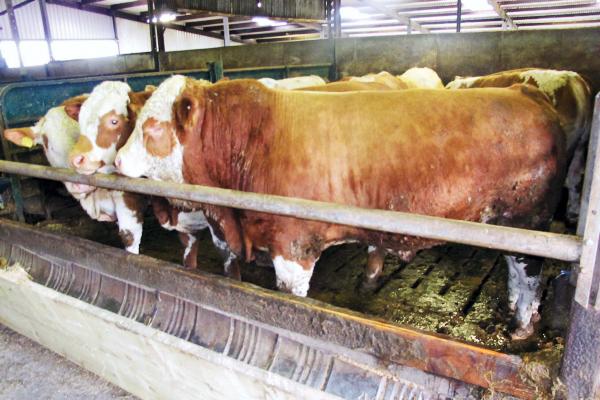
Last year’s bulls were slaughtered in early to mid-April and averaged 398kg carcase at 14 months. The bulls were weighed 686kg live prior to slaughter and Seamus estimates that they killed out at approximately 58%. Given that the bulls were only 14 months of age, the lifetime gain of the bulls would be approximately 1.5kg liveweight gain per day. All the bulls bar three graded U. The three R’s were a set of twins and one bull which was out of a first cross dairy cow.
One of the drivers of the high farm output is the young bull system. Calving takes place from January to early April. Calves are run at grass with cows until the autumn time when they are housed.
They are then placed on a high meal diet of 4-5kg concentrates and silage. From late December onwards they are increased on to an almost ad-lib level of concentrates.
The first of the bulls currently on hand will be slaughtered in two weeks and are currently eating approximately 13kg of concentrates per day along with silage. The ration that is currently being fed to the bulls contains 50% home and dry barley, 25% beet pulp nuts and 25% maize meal. In total, Seamus estimates that approximately 1.5-1.6t of concentrates are fed to each bull over the 14 months.
Targeting the replacement market
The Simmental stock bull used on the farm has good conformation but also has milk in is back pedigree. Because the cows are milky, Seamus is now focusing on targeting the replacement market with the heifers. Previously the heifers were finished or sold as stores. Because of stocking rate pressures, heifers were sold last spring as yearlings breeding heifers.
The heifers weighed 465kg on average and sold for approximately €1,000 per head. Last year all calves were tissue tested for BVD. There is a good herd health status as all heifers and cows are vaccinated for BVD, Lepto and IBR also. In the coming years he hopes to continue to sell heifers as replacements, but this will be determined by the demand and market return.
Dealing with a high stocking rate in 2012/13
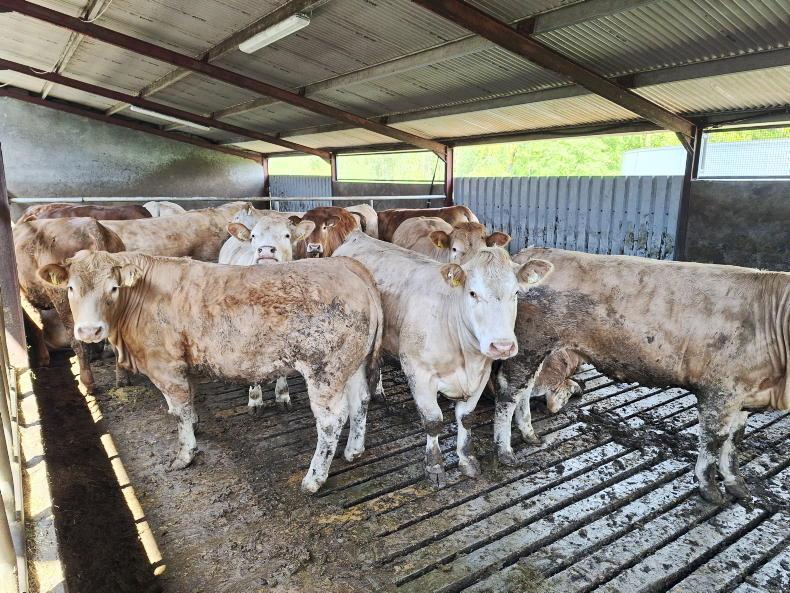
In a typical year the high stocking rate would not have been a problem as bulls are housed in the autumn for finishing and only the cows, calves and replacement heifers go back to grass. The poor growth in the past few weeks and wet weather last weekend has meant that all replacement heifers and cows that were out at grass have had to be re-housed.
The silage pit is currently empty due to the length of the winter and silage is being purchased. In addition, Seamus said that because grass was in short supply in the autumn, additional creep feeding was required which increased the total amount of concentrates used. Cows are currently in slightly poorer condition than Seamus would like due to limited forage availability and the fact that they would normally be out at grass again at this stage.
Key points
40 suckler cows finishing male progeny as 14-month-old bulls and selling heifers as replacements
Profit monitor results show an output of 1,115kg liveweight/Ha and a gross margin of €1,546/ha
Bulls are finished intensively at 14 months producing a 398kg carcase on average
In 2012 all surplus heifers were sold as replacements at 465kg on average
Bulls are currently on a finishing ration and will be slaughtered in the coming weeks
Stock have been re-housed after heavy rain last weekend and silage is being bought in



SHARING OPTIONS