



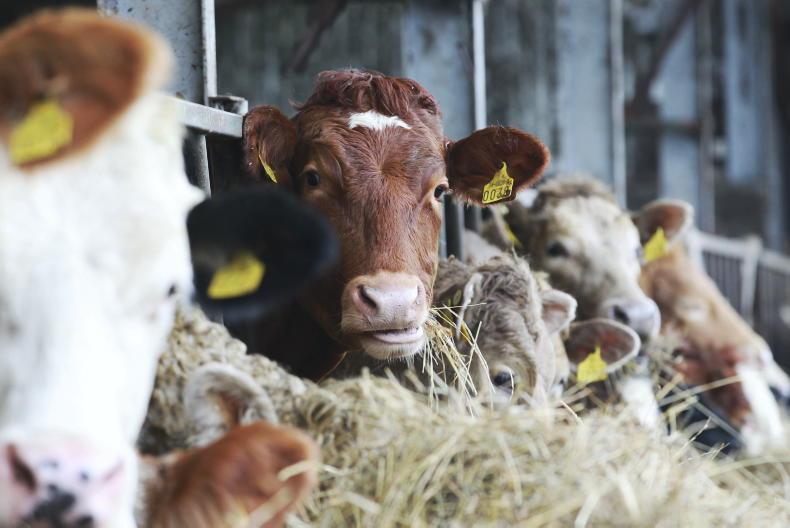
If not yet completed, now is a good time to pregnancy scan spring-calving suckler cows.
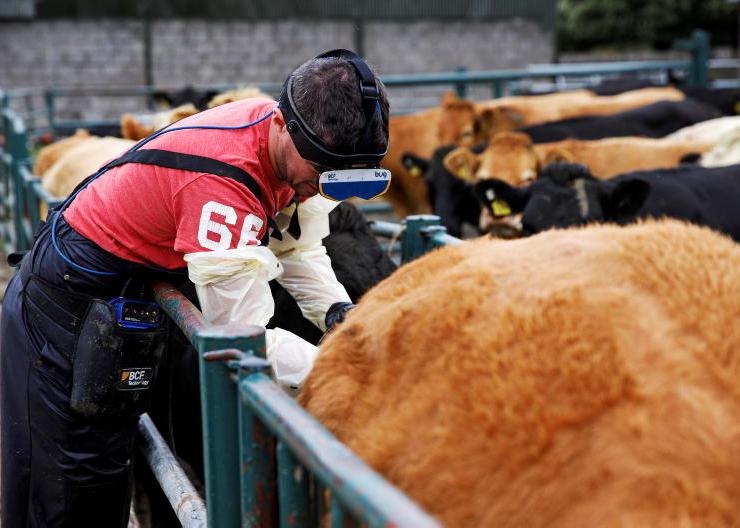
Once the last cow in the herd has been served at least 35 days, it is timely to scan cows - this can be a vital tool used in well managed herds to improve efficiencies.
With feed accounting for a large proportion of the production costs, it’s essential to identify which cows are in-calf. This will allow for empty cows to be culled, rather than expecting them to calve next year and consume feed over the winter period.
Most scanners are able to provide a good estimate on the number of weeks that a cow has gone in-calf. This is useful information if using a stock bull and not having accurate service dates for all cows in the herd.
Identifying due dates allows cows to be penned by calving date, fed correctly up until calving and accurately vaccinated pre-calving.
Important information
Some scanners can also provide the sex of the embryo. This is of interest to farmers, as bull calves generally have heavier birth weights. This information is especially important to know when using sires associated with more difficult calvings.
Before cows reach 14 weeks in-calf, twin births can be identified, allowing for increased energy and protein allocation up until calving to help meet higher nutritional demands.
Scanning can also show up cows carrying an unviable embryo or those with fertility or physiology issues, which may indeed speed up the decision to cull in the future.
Scanning also identifies late-calving cows, which may result in a longer calving spread on the farm.
It may be worthwhile to move these cows on, given the current trade for in-calf cows at present. This can reduce labour, provide a more uniform batch of calves and improve management for vaccination and weaning.
Empty rate
If the herd experiences an empty rate greater than 5%, it may signal an issue within the herd.
This could either be a fertility- or disease-related problem in cows or a bull issue, such as sub-fertility, where the bull can still get some cows in-calf, but it generally takes longer and the calving period becomes more spread out.
Empty cows may also be affected by mineral deficiencies or a disease such as leptospirosis.
Conducting blood sampling of barren cows and working alongside your vet can provide critical information to help identify and rectify problems.




SHARING OPTIONS