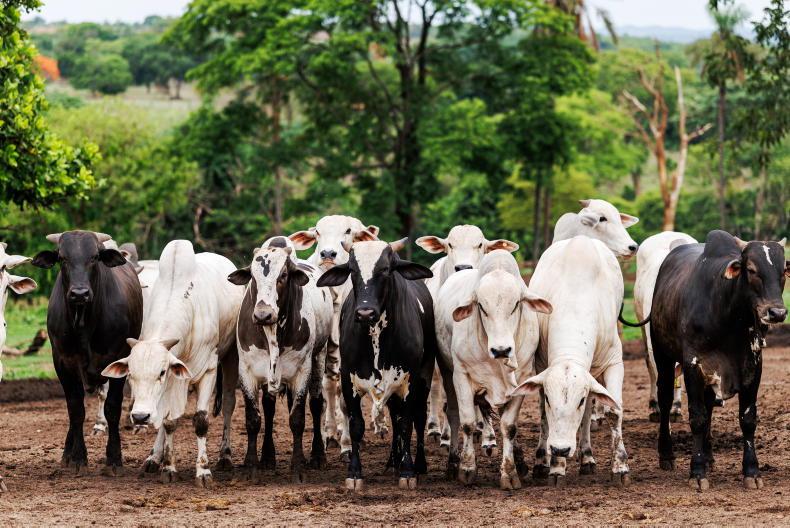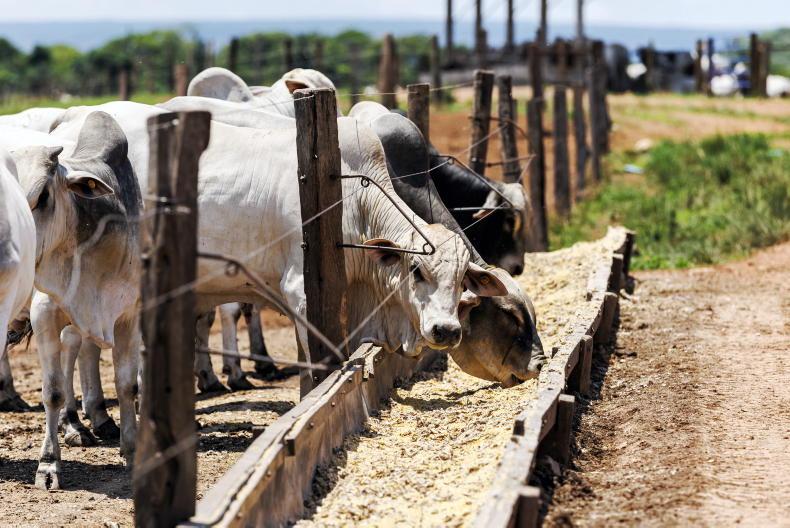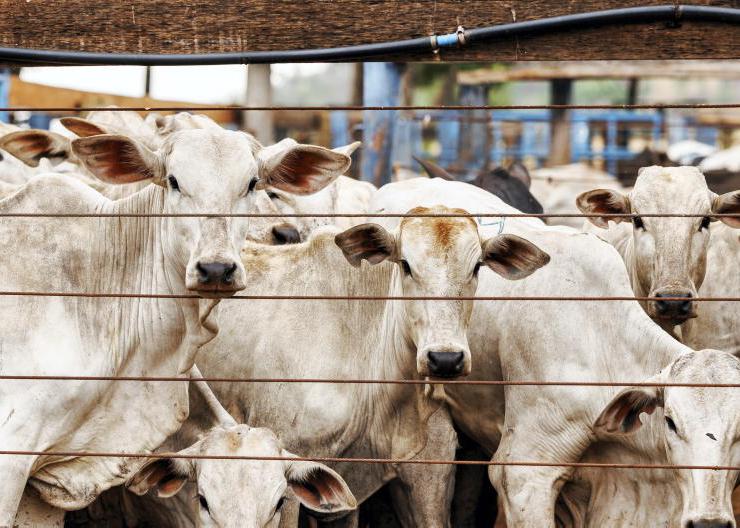
The fallout from last month’s EU Brazilian beef recall continues, with the latest revelations pointing to Brazilian beef treated with illegal hormones being imported to the Republic of Ireland.
Information obtained by the Irish Farmers Journal from the Food Safety Authority of Ireland (FSAI) has revealed that Brazilian beef treated with the banned carcinogenic hormone oestradiol 17ß entered the Irish food chain last year.
The implicated beef was imported to Ireland in September 2025 and made its way to three Republic of Ireland food businesses.
It’s currently unclear what counties these food businesses are located in and whether they are food service establishments or retailers.
Speaking to the Irish Farmers Journal a spokesperson for the Food Safety of Ireland (FSAI) said “On 12 December 2025, the Food Safety Authority of Ireland (FSAI) was notified by the Food Standards Agency Northern Ireland that a consignment of beef, from animals that had been treated with oestradiol, had been distributed from Northern Ireland to three food businesses (approx 128kg) in Ireland in September 2025. The implicated beef was imported into the EU from Brazil.
Undertaken
“Environmental Health Officers in the HSE have undertaken checks at those food businesses and verified that none of the implicated meat remains on the market.”
The spokesperson for the FSAI went on to say: “The administration of oestradiol, which can be used as a growth promoting hormone, is not allowed in animals intended for the food chain in the EU.
“This incident is linked to a notification from the European Commission on 11 November 2025, to all member states, that, following contact with the Brazilian authorities during an audit, EU officials were informed that carcases from animals treated with oestradiol were mixed into consignments of beef destined
for the EU. “The beef was exported legally in several consignments to the EU, namely the Netherlands, Italy and Spain, and subsequently distributed onwards.
“The European Commission set out clearly in this notification to member states that these consignments should be traced and withdrawn from the EU market or recalled from consumers.”
The FSAI spokesperson also added “The FSAI welcomes the announcement by the European Commission last month of the reinforcement of official controls on products imported into the EU, which is line with existing enhanced official controls in Ireland.
Measures
“These measures set out to strengthen official controls at EU borders and in third countries. Ireland will continue to implement and enforce EU food law to ensure EU citizens continue to benefit from the highest standards of food safety.”
In response to questions submitted by the Irish Farmers Journal to the Food Standards Agency in Northern Ireland (FSA in NI) in December 2025, a spokesperson said: “Our checks have confirmed that a small quantity of beef primal cuts of Brazilian origin entered Northern Ireland in September with an expiry date of 31 October 2025.
“The FSA in NI has been following up with the competent authorities for businesses supplied and there is no evidence that any affected product remains
on sale.”
In October 2025 the Irish Farmers Journal along with the Irish Farmers Association travelled to Brazil and highlighted huge discrepancies in the sale of antibiotics and hormones which are banned for use in the EU.
The investigation also highlighted the vast gulf between standards of production in Brazil compared with the standards applied to European farmers.
In the 10 months to the end of October 2025, Brazilian beef imports to the UK had increased by 125% to 9421 tonne with the Brazilian beef being imported to the UK at a much lower price compared to other imports.
The news comes as the EU Commission continues to unravel the myriad of supply channels the imported Brazilian beef has made it through.
In response to the regional recall the commission had said that a full report would be published in early 2026.
The fact that beef with banned carcinogenic hormones has entered the Irish foodchain will come as a shock to many unsuspecting consumers.
While country of origin is generally stated on products in retailers, many restaurants and food service establishments do not declare the origin of their beef and therein lies the problem for the consumer.
While the beef was imported legally it also raises questions about the ability of authorities to carry out checks on products.
Ultimately, this recall took place too late for many with the meat being consumed across Europe.
News of the breach comes as the EU enters the final stages on the Mercosur trade deal ahead of a vote to take place on 9 January.
Should the vote go ahead and the deal gets passed the next hurdle will be a vote in the EU parliament.
A simple majority vote is required in the parliament for the deal to pass. Its expected that this vote would take place within the next few weeks.

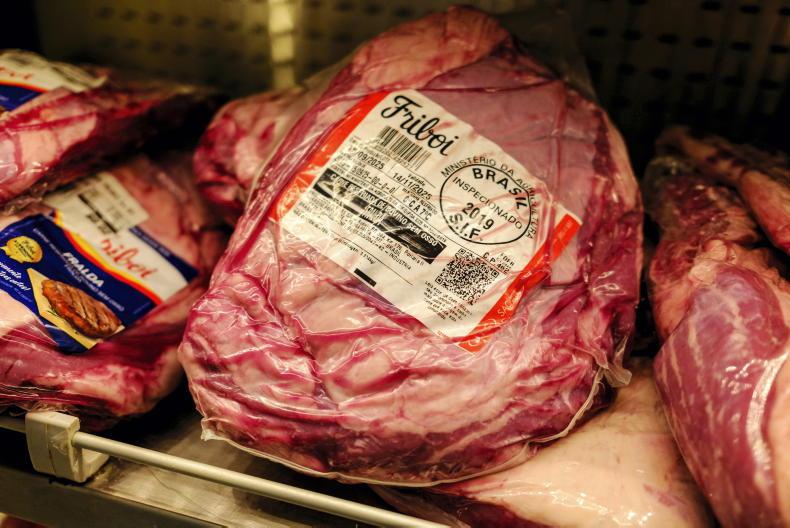
Brazilian beef treated with illegal hormones was imported to the Republic of Ireland in September 2025
Brazilian beef with banned carcinogenic hormones has entered the Irish foodchain.128kg of Brazilian beef was imported from Northern Ireland to three food businesses in September 2025.The implicated beef had an expiry date of 31 October 2025.Following inspections in December 2025, the FSAI confirmed that none of the affected beef remains on the Irish market.The EU commission has yet to publish a full report on how the affected meat entered the EU food chain.
The fallout from last month’s EU Brazilian beef recall continues, with the latest revelations pointing to Brazilian beef treated with illegal hormones being imported to the Republic of Ireland.
Information obtained by the Irish Farmers Journal from the Food Safety Authority of Ireland (FSAI) has revealed that Brazilian beef treated with the banned carcinogenic hormone oestradiol 17ß entered the Irish food chain last year.
The implicated beef was imported to Ireland in September 2025 and made its way to three Republic of Ireland food businesses.
It’s currently unclear what counties these food businesses are located in and whether they are food service establishments or retailers.
Speaking to the Irish Farmers Journal a spokesperson for the Food Safety of Ireland (FSAI) said “On 12 December 2025, the Food Safety Authority of Ireland (FSAI) was notified by the Food Standards Agency Northern Ireland that a consignment of beef, from animals that had been treated with oestradiol, had been distributed from Northern Ireland to three food businesses (approx 128kg) in Ireland in September 2025. The implicated beef was imported into the EU from Brazil.
Undertaken
“Environmental Health Officers in the HSE have undertaken checks at those food businesses and verified that none of the implicated meat remains on the market.”
The spokesperson for the FSAI went on to say: “The administration of oestradiol, which can be used as a growth promoting hormone, is not allowed in animals intended for the food chain in the EU.
“This incident is linked to a notification from the European Commission on 11 November 2025, to all member states, that, following contact with the Brazilian authorities during an audit, EU officials were informed that carcases from animals treated with oestradiol were mixed into consignments of beef destined
for the EU. “The beef was exported legally in several consignments to the EU, namely the Netherlands, Italy and Spain, and subsequently distributed onwards.
“The European Commission set out clearly in this notification to member states that these consignments should be traced and withdrawn from the EU market or recalled from consumers.”
The FSAI spokesperson also added “The FSAI welcomes the announcement by the European Commission last month of the reinforcement of official controls on products imported into the EU, which is line with existing enhanced official controls in Ireland.
Measures
“These measures set out to strengthen official controls at EU borders and in third countries. Ireland will continue to implement and enforce EU food law to ensure EU citizens continue to benefit from the highest standards of food safety.”
In response to questions submitted by the Irish Farmers Journal to the Food Standards Agency in Northern Ireland (FSA in NI) in December 2025, a spokesperson said: “Our checks have confirmed that a small quantity of beef primal cuts of Brazilian origin entered Northern Ireland in September with an expiry date of 31 October 2025.
“The FSA in NI has been following up with the competent authorities for businesses supplied and there is no evidence that any affected product remains
on sale.”
In October 2025 the Irish Farmers Journal along with the Irish Farmers Association travelled to Brazil and highlighted huge discrepancies in the sale of antibiotics and hormones which are banned for use in the EU.
The investigation also highlighted the vast gulf between standards of production in Brazil compared with the standards applied to European farmers.
In the 10 months to the end of October 2025, Brazilian beef imports to the UK had increased by 125% to 9421 tonne with the Brazilian beef being imported to the UK at a much lower price compared to other imports.
The news comes as the EU Commission continues to unravel the myriad of supply channels the imported Brazilian beef has made it through.
In response to the regional recall the commission had said that a full report would be published in early 2026.
The fact that beef with banned carcinogenic hormones has entered the Irish foodchain will come as a shock to many unsuspecting consumers.
While country of origin is generally stated on products in retailers, many restaurants and food service establishments do not declare the origin of their beef and therein lies the problem for the consumer.
While the beef was imported legally it also raises questions about the ability of authorities to carry out checks on products.
Ultimately, this recall took place too late for many with the meat being consumed across Europe.
News of the breach comes as the EU enters the final stages on the Mercosur trade deal ahead of a vote to take place on 9 January.
Should the vote go ahead and the deal gets passed the next hurdle will be a vote in the EU parliament.
A simple majority vote is required in the parliament for the deal to pass. Its expected that this vote would take place within the next few weeks.

Brazilian beef treated with illegal hormones was imported to the Republic of Ireland in September 2025
Brazilian beef with banned carcinogenic hormones has entered the Irish foodchain.128kg of Brazilian beef was imported from Northern Ireland to three food businesses in September 2025.The implicated beef had an expiry date of 31 October 2025.Following inspections in December 2025, the FSAI confirmed that none of the affected beef remains on the Irish market.The EU commission has yet to publish a full report on how the affected meat entered the EU food chain.
SHARING OPTIONS