



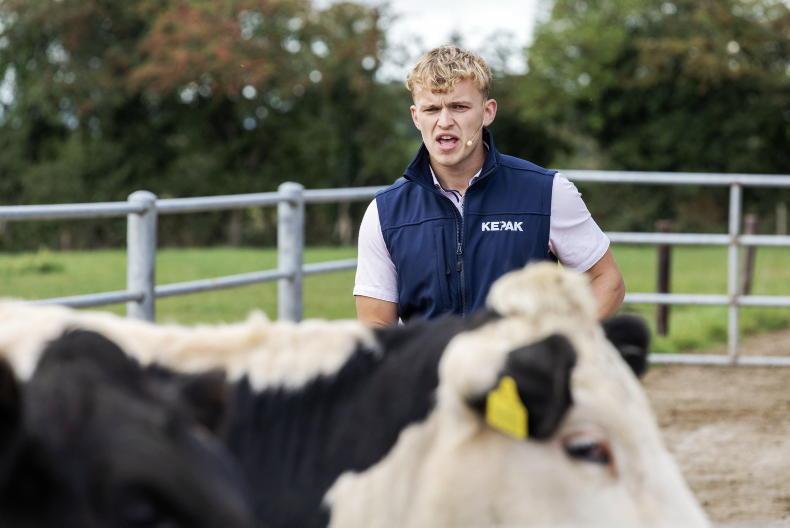
Holding up a piece of fat he had just trimmed from a carcase with a fat score of 5, Chris Watson, Kepak’s commercial director, highlighted the importance of processors and farmers working together. Speaking at the Kepak event on the farm of Brian and Noelle O’Keeffe in Glanworth, Co Cork recently he commented: “That is worth about €1.40/kg at the moment and there’s a cost on the farmer to put it on and on us to trim it off. There’s no winner and that’s where we need to get better. We want to get closer to our suppliers and help them optimise their product too.”
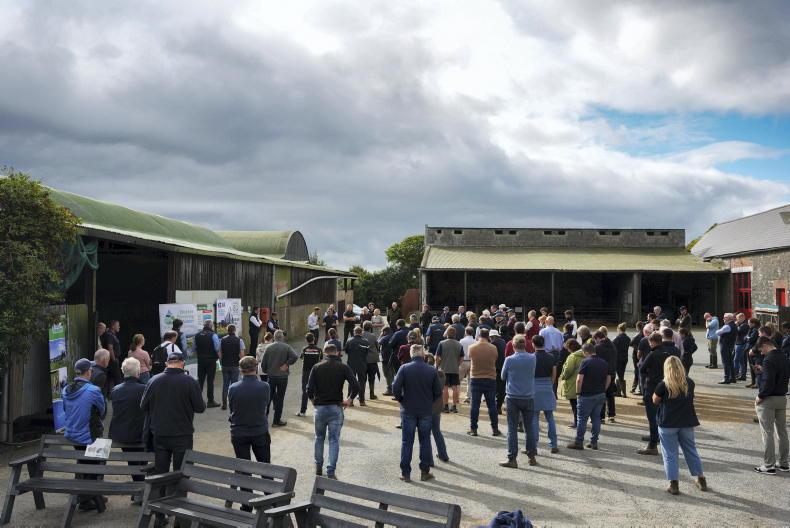
A common question on the night from the 400 farmers in attendance related to carcase specifications.
In response, Chris said: “We’re taking animals from 240 to 400kg. It’s not cans of coke we’re dealing with. There is a market for everything but to narrow it down 260kg to 380kg carcases have more outlets while the perfect carcase to sell on is an R3 weighing 330kg. That’s the ideal. We do have markets for under and over those weights but they are smaller and more specialised.”
Speaking to the Irish Farmers Journal after the event, he said: “Ultimately an event like this is where we can feed information back to the farmers on what our consumers want and if they can learn something that helps them earn more money, then that’s what it’s all about.
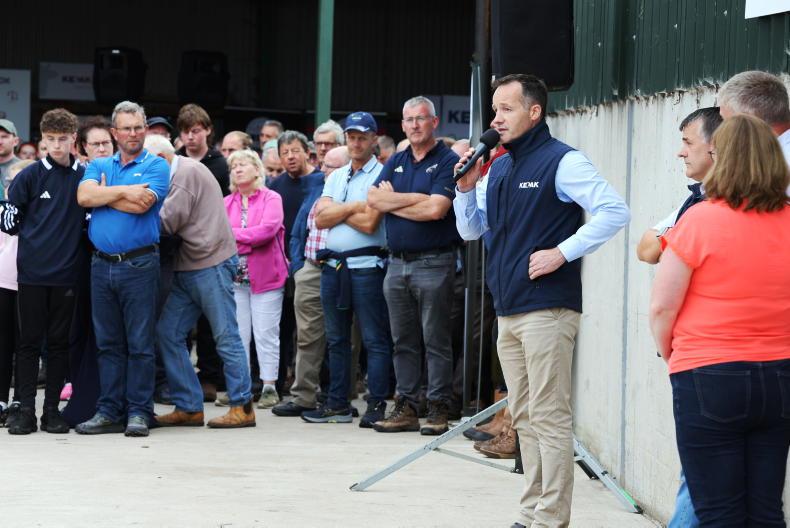
“We’re encouraging farmers to talk with our procurement team during the finishing period rather than just booking in cattle. That way it allows them a chance to improve the finish of their cattle and allows us to optimise the products from that for our key retail markets.”
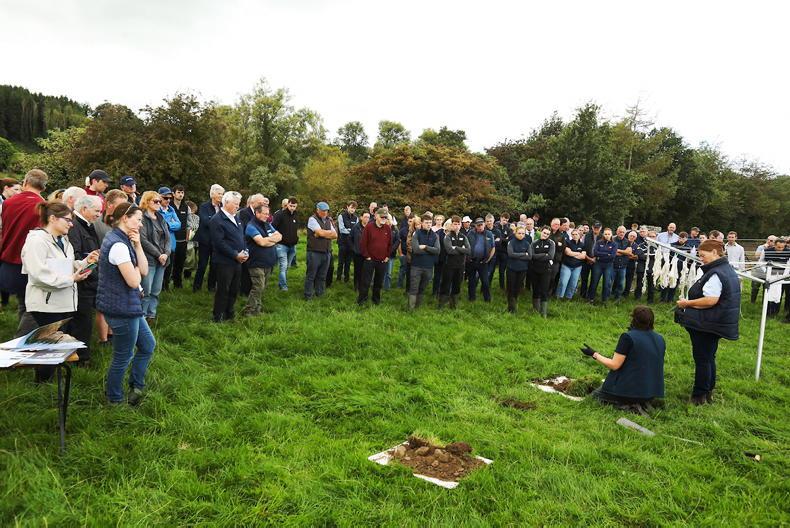
A live demonstration of what to look for when selecting cattle for slaughter was conducted by Edward Quinn, Kepak procurement manager.
Fat scores of 3= to 4= are the most desirable for Kepak and Edward said that once cattle are at that level there is a chance to potentially improve their subgrade.
Using an example of a heifer that was grading O=2+, he said if that animal was fed on to a fat score of 4-, she was likely to grade O+ and the farmer would benefit from an extra six cent/kg on the grid.
“We’re happy to pay that because that’s where the value is, so it’s worth farmers trying to get up that subgrade and have good flesh over the loin in their cattle. Dairy-cross animals are the ones where we see that happen a lot but it applies across the board for all under fleshed animals. Putting that extra effort into finishing will help with your grading.”
When it came to the finishing period, he said that on-farm variables such as breed, animal age, grass and silage quality along with the farm-type and farmer’s situation all impacted on the length of finishing period.
“It’s very hard to put down exactly but rough guide, a 60-to-70-day finish for heifers and steers while for bulls a 90- to 100-day finishing period is usually required.
“Options farmers now have for forward cattle would be to feed on at grass and finish them in October or November without going into the shed.
“Another option would be to leave at grass until the end of September and put them in the shed them aiming for a December to February finish depending on the type and weight of stock. Around 460kg to 470kg liveweight is a good range to start heifers on feed and you’d be aiming for a higher weight for bullocks.”
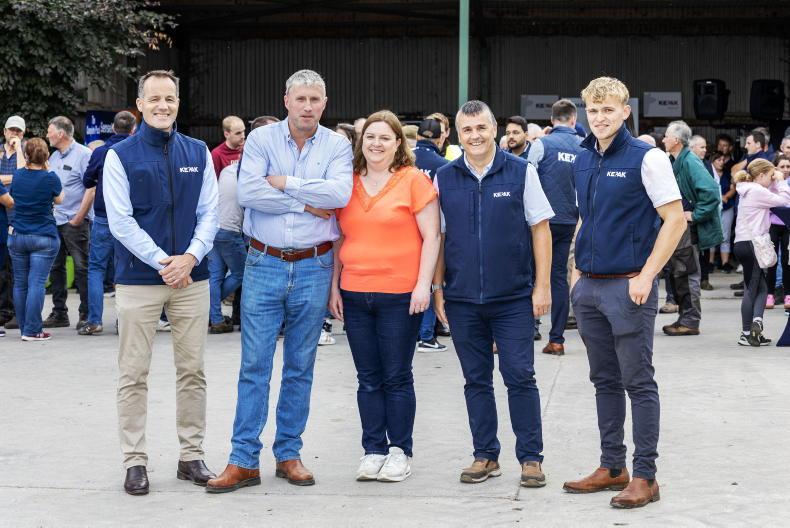
The increase in more early maturing crosses from the dairy herd requires a different type of management to continental cattle.
“You don’t want to start feeding them on at too light a weight, especially dairy-bred Angus or Hereford heifers. You need to do your sums on them and get them to a certain weight. If you have a 400kg heifer in the field don’t be afraid to leave them get a bit more age as you’re still dealing with a young animal and there’s a chance they could go over fat at too low a weight.”
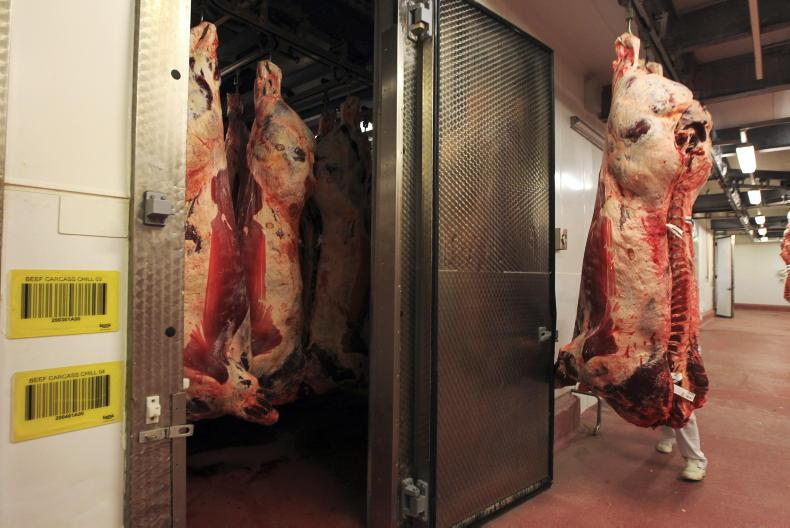
About 30 to 40% of the value of an animal comes from cuts here.
Beef price
Bord Bia’s Joe Burke said that Irish beef price is now ahead of the EU average. On the night he said that average price of €7.56/kg, excluding VAT, for R-grade Irish bullocks was 12% ahead of the European average and nearly 2% of the UK average price for the same cattle.
He cautioned that while these prices have injected positivity into the sector, “there isn’t an infinite price that consumers are willing to pay for beef".
“It’s exceptional that we have passed out the prices of all the markets we are exporting to but the most recent Kantar data for the three months up to the middle of July in Britian showed that the beef price to the shopper increased by 22%,” he added.
“That’s a significant increase in the price point being paid for the shopper and it resulted on average in 11% less volume of beef being bought as a result. That’s what we have to be mindful of.”


SHARING OPTIONS