



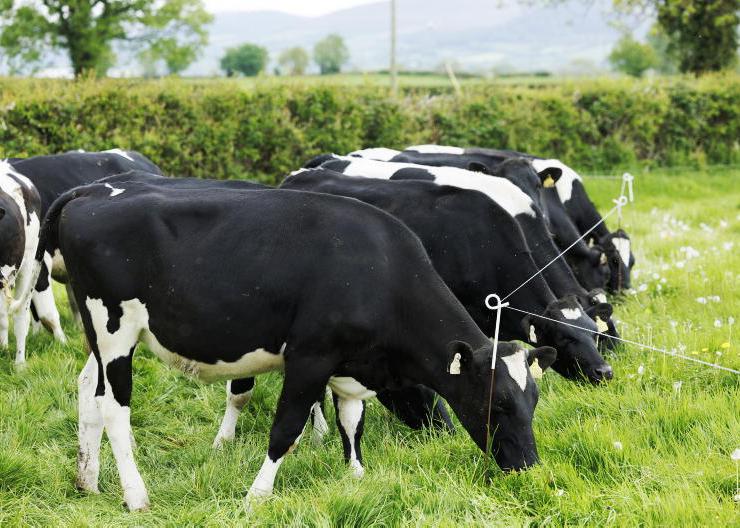
The recent contraction in the national cattle herd inventory continues with the latest figures published by the Department of Agriculture showing over 130,000 fewer cattle on farms on 1 October 2025 compared to 1 October 2024.
The figures contained in the Animal Identification and Movement database shows the greatest decline in the dairy herd inventory with over 114,000 fewer animals on farms.
Within this the number of dairy replacement heifers on farms was recorded at 751,224 head equating to a reduction of 60,509 head on 12 months earlier.
Suggest
Reports suggest the reduction is being influenced by higher use of beef genetics in herds, aided by sexed semen, and reduced optimism linked to uncertainty around the future of the nitrates derogation.
Sexed semen has also had a marked influence on the birth of dairy males with the figure of 325,517 head running 47,084 head lower.
Sexed semen alone is not responsible for this reduction with higher calf exports also contributing to fewer dairy males on farms.
The final category, dairy cows, stood at 1.536m head on 1 October equating to a reduction of 6,819 head.
Beef herd
The beef herd is running just 16,958 head lower.
This figure fails to highlight the scale of continued contraction in the national suckler herd.
There were 753,891 suckler cows on farms equating to a reduction of 28,583 head.
This is 30% to 40% lower than the declining trend seen in recent years but still remains a major concern for the sector.
The number of beef males on farms stood at 1.57m head, up 2,179 head on 2024 levels while the number of beef heifers is also in a more positive position with the figure of 1.58m head running 9,446 head higher.
This again is showing the effect of greater use of sexed semen with birth registrations to suckler cows running 23,000 head lower to-date in 2025.
Beef kill
The Department of Agriculture figures also show no immediate recovery likely in cattle throughput.
Table 1 details the number of cattle on farms in the age categories featured.
While there was a positive figure for animals aged 30 to 36 months, up 11,360 head, there was almost 20,000 fewer cattle on farms aged 24 to 30 months of age with a reduction of over 37,000 head in numbers in the 12 to 18 month age category.



SHARING OPTIONS