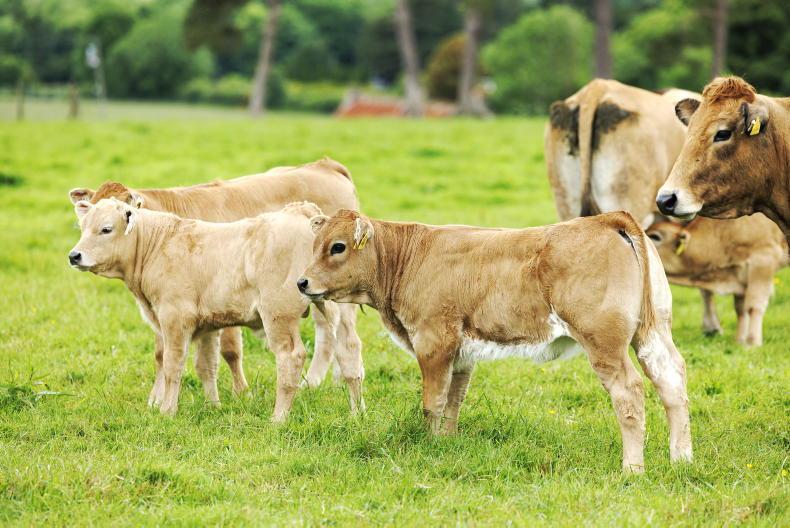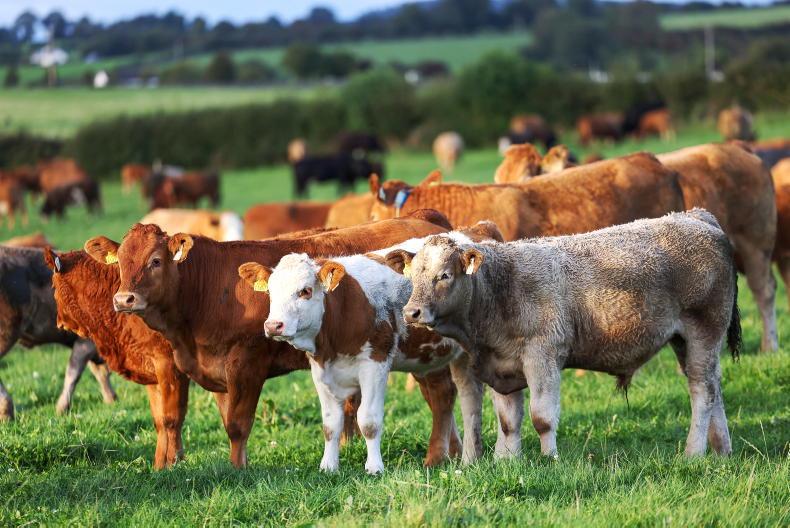
The number of suckler cows present on farms in Ireland on 31 July 2026 increased by 18,956 head, or 2.7%, when compared to 31 July 2025. This is the first time that cow numbers have increased for more than a decade, as detailed in Figure 1. The increase in cattle sale values in 2025 has helped stem the sharp decline in suckler cow numbers witnessed over the last decade. From 2015 to 2025, Ireland’s national suckler herd fell by almost 300,000 head, or 29.5%.
The record sale prices seen in 2025 inserted some much-needed confidence into the sector and encouraged farmers to breed more heifers and reduce the rate at which cows were being culled. Analysis by the Irish Cattle Breeding Federation (ICBF) shows that there were 44,723 fewer suckler cows culled in 2025 and 23,481 fewer suckler cows culled during the first seven months of 2026.
The number of first-calving heifers entering the suckler herd in quarter one of 2026 increased by almost 2,500 head to 34,501, with preliminary reports pointing to a greater increase in quarter two of 2026.
Table 1 gives a detailed breakdown of cow numbers on a per-county basis in 2026, and a comparison to figures in 2025. Galway recorded the highest numerical increase, with 2,415 more suckler cows on farms, or a 3% increase. Cow numbers still remain well behind the high point witnessed in 2015, although the county retains the title of possessing the highest number of cows.
Cow numbers increased by over 1,000 head in suckler strongholds, including Mayo, Kerry, Roscommon and Cork. There was also a notable increase in Cavan, with cow numbers up 1,216 head, or 3.7%. There was only one county which recorded a reduction, with cow numbers marginally lower in Dublin, which has just 2,799 head. There was also a very small increase of 26 head in Wicklow, with conversions to dairying continuing to influence suckler numbers.
Birth registrations
Birth registrations to suckler cows are running 23,342 head, or 3.9%, higher to the week ending 11 September 2026. The increase in optimism in suckler farming is also feeding into a resurgence in interest in pedigree breeding, with almost 7,000 more birth registrations in pedigree cattle. There has also been a recovery in dairy birth registrations, following a stabilisation in numbers in 2025. Birth registrations to dairy cows increased by 20,642 head, or 1.4%, to date in 2026.
Herd size
Table 2 details the average number of herds per county and the average number of females per herd. The number of herds with suckler cows that calved has reduced significantly in the last five years. The average number of calves born in each herd also decreased, as expected over the last 10 years, but there has been a recovery in 2026 – stemming from increased optimism in 2025.
Win a heifer
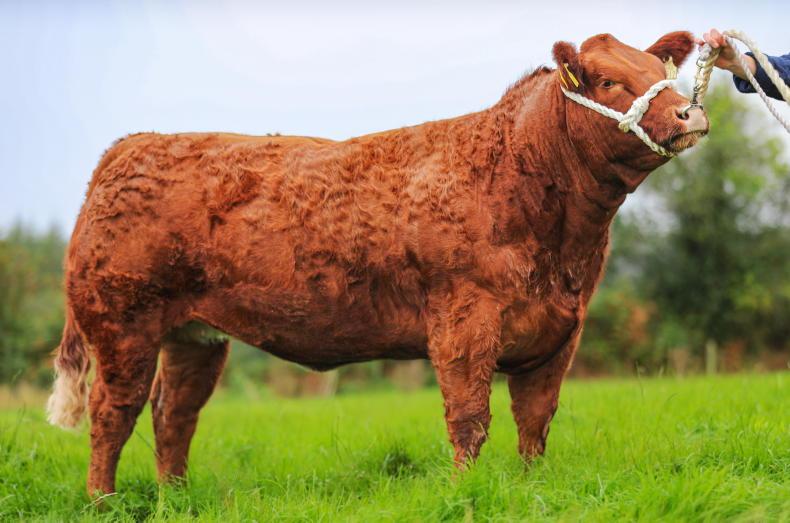
To mark the stabilisation and slight increase in numbers, the Irish Farmers Journal is giving our readers a chance to win a show-quality heifer for free. The Limousin X Belgian Blue heifer is bred by the renowned sire, Elderberry Galahad (EBY), and from a Belgian Blue dam sired by Blak Baty Eprave (BYU).
The heifer, named Jasmine, was born on 3 January 2025 and weighs 635kg. The heifer will be present on the Irish Farmers Journal stand over the three days – you can find us in Block 3, Row 9, Stand 166. Visitors to the stand will get a chance to see Jasmine in the flesh and enter our giveaway for free.
For those not attending the Ploughing, you can enter at ifj.ie/heifer. Entry is completely free, and as part of entry, you’ll be prompted to download the IFJ app – winners must have the app downloaded to claim their prize.
Those aged under 18 will require parental permission to enter. The competition will run until 30 September. Entries are open to farmers in Ireland and Northern Ireland only.