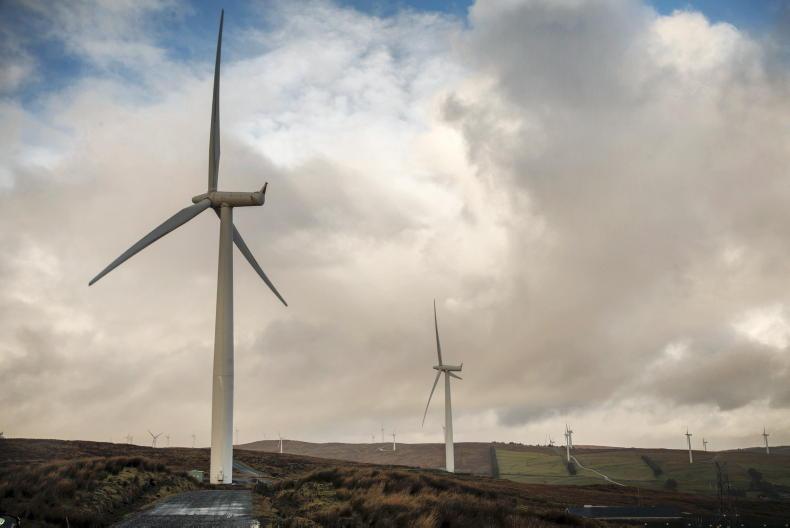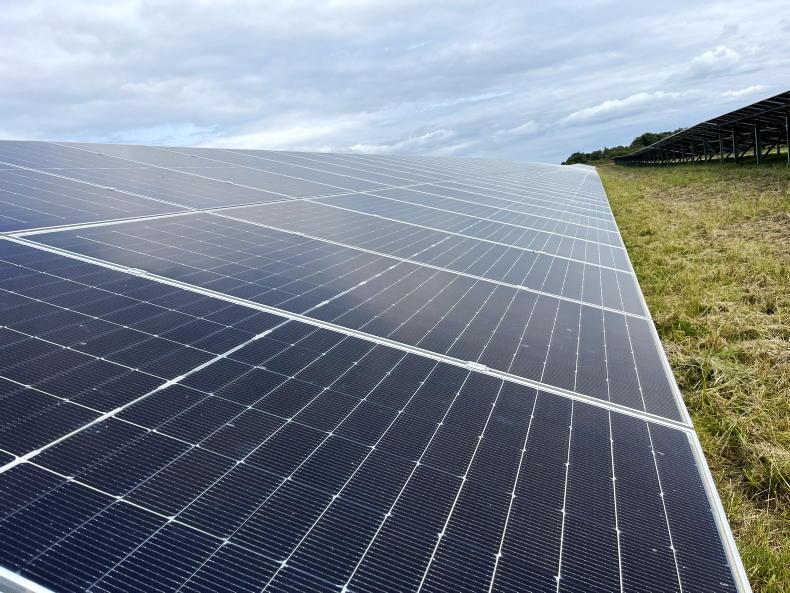
Much of the national conversation around energy decarbonisation centres on electricity. Wind turbines, solar panels and solar farms often dominate discussions and media coverage.
As such, you could be excused for thinking that the drive to decarbonise the electricity sector will decarbonise the bulk of the energy sector.
However, frequently overlooked is the significant challenge facing Ireland in decarbonising its heat use.
This challenge requires the development of new, innovative policies aimed at slashing emissions in the heat sector. One such policy, the Renewable Heat Obligation (RHO), is set to introduce a mandatory renewable obligation for fuel suppliers within the heating sector next year.
The RHO, which has been in development for so long that many thought it was shelved, is now in its second phase of public consultation and the Department of Environment, Climate and Communications wants your views on it.
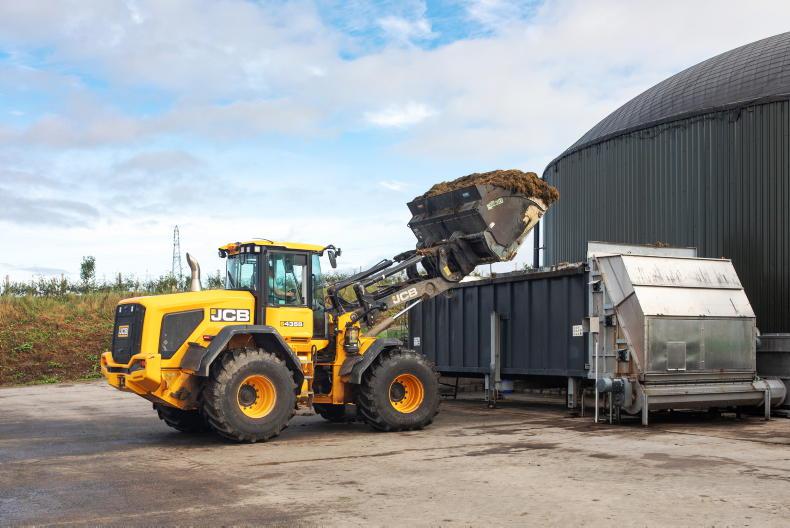
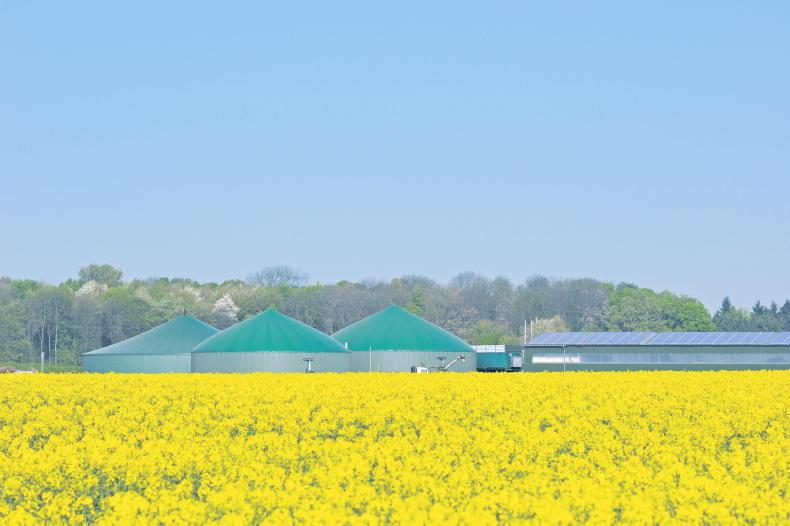
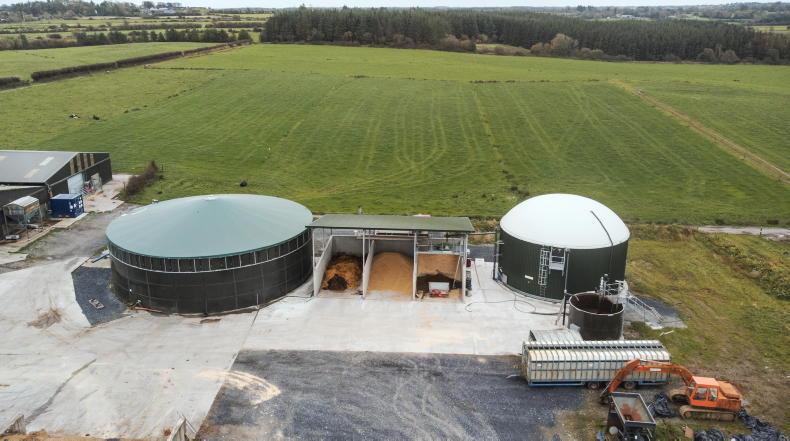
This is particularly important for agriculture, as the RHO may be key in supporting the development of a farm-based anaerobic digestion (AD) sector through the use of biomethane gas.
Challenge
The challenge of decarbonising heat use is great. Greenhouse gas emissions from the use of fossil fuels in homes, businesses and industries to generate heat amounted to 13.1 MtCO2 in 2021.
This was 37% of all energy-related emissions or 21% of the total national greenhouse gas emissions.
Emissions from heating have surged by 12% since the lows experienced after the recession in 2014.
In 2021, renewable energy accounted for only 5.2% of this heat, down from 6.3% in 2020, which is considerably lower than the EU average of 22%. Gas, oil and solid fuels made up nearly 93.2% of the overall national energy sources for heating.
If the heat sector is to contribute to meeting Ireland’s legal commitment to achieve net-zero emissions no later than 2050, alongside a 51% reduction by 2030, then drastic action needs to be taken.
What is the Renewable
Heat Obligation?
Last year, Minister Eamon Ryan committed to implementing the RHO by 2024. The obligation will be placed on energy suppliers, mandating them to ensure that a portion of the energy they provide comes from renewable sources.
Essentially, this means that large suppliers of fuels like oil, gas and coal, which supply over 1,000GWh worth of energy to the heat sector, will need to include a specific amount of renewables in their fuel mix under law.
For instance, in the case of gas suppliers, it’s anticipated that biomethane produced from AD plants will be the easiest fuel to integrate into their fuel mix to fulfil their obligation.
The expense associated with securing the renewable fuel, which is usually higher in cost, will likely be spread across all consumers. This article outlines some of the proposed design elements of the RHO outlined in the consultation.
Obligation rate
To allow time for the supply of renewable energy to be developed, the obligation will be introduced initially at a low level, then increased over the lifetime of the RHO, likely 2040.
The Department is proposing an introductory obligation rate of 2% in 2024, which can be achieved across the first three years, and a 2030 target level of 10%.
What fuels are eligible?
Suppliers will acquire certificates for every unit of renewable fuel they deliver. As a general rule, a certificate would be granted for each one megawatt-hour (MWh) of renewable energy supplied.
The Department is proposing that all types of bioliquids, including HVO and LPG, along with renewable fuels not of biological origin (RFNBOs), biomethane, and biomass and biogas intended for domestic use, will be eligible for certification under the obligation.

Minister Eamon Ryan confirmed the obligation would be introduced next year.
However, strangely the Department stated that biomass and biogas used in businesses should not qualify as eligible fuels to fulfil the Obligation, as they are already supported through other existing and future schemes.
The Department is also exploring multipliers, which increase the number of certificates that can be earned by using certain fuels.
Multipliers can serve various purposes, such as narrowing the cost gap between different fuel types.
A multiplier for the use of biomethane derived from agricultural sources is considered essential to improve its competitiveness with other eligible fuels.
How much will it cost?
Assuming costs are divided equally per kWh, the Department’s initial analysis shows fuel costs could increase by up to 10.4% with a 10% obligation rate in 2030.
Buy-out and penalties
Suppliers will be fined if they do not meet their obligation. However, suppliers will be able to buy and trade certificates, or choose a ‘buy-out’ option to fulfil part of their yearly obligation.
The ‘buy-out’ lets suppliers pay a fixed price per MWh, so they don’t have to meet all of their obligation. Buy-out prices are expected to exceed the cost of obtaining certificates through buying or trading, and this will be capped at 30% of the obligation rate.
The Department is also considering setting the fine for missing targets at 1.25 times the buy-out cost.
The RHO has long been mooted as being the key enabling policy to kickstart the development of the AD sector. The question is, will the RHO be enough to create the environment to develop the estimated 150-200 AD plants needed by 2030?
While it might force the market for biomethane to grow, the policy alone lacks the one key ingredient that any emerging renewable sector requires for development, a long-term, state-backed price guarantee. For example, consider the success of the 15-year State-backed support scheme in place for wind and solar farms.
The RHO essentially places the obligation on energy suppliers and leaves them and the biomethane producers to negotiate a price and contract. As these are commercial companies, naturally they will assess the competitiveness of biomethane against other imported fuels, such as HVO, when deciding how to meet their obligation.
The Government has been repeatedly informed about this, prompting ministers to openly discuss the possibility of providing capital grants to support the development costs of AD plants.
Interestingly however, the consultation also includes the question of whether additional incentive measures should be considered to uphold the Government’s commitment to biomethane production.
The consultation outlines that these measures might include a Feed-in Tariff, Feed-in Premium, Contract for Difference, or Operational Tariff Scheme.
For many years, these mechanisms were considered off the table by the Government, due to a strong internal hesitancy towards providing ongoing support for the sector. This stands out as the only real constructive takeaway from the consultation.
Submissions close for the consultation on 29 September 2023.
To take part in the consultation, visit https://www.gov.ie/en/consultations/
The author Stephen Robb is currently involved in a family/community proposal for an anaerobic digestion facility in Co Donegal.
Much of the national conversation around energy decarbonisation centres on electricity. Wind turbines, solar panels and solar farms often dominate discussions and media coverage.
As such, you could be excused for thinking that the drive to decarbonise the electricity sector will decarbonise the bulk of the energy sector.
However, frequently overlooked is the significant challenge facing Ireland in decarbonising its heat use.
This challenge requires the development of new, innovative policies aimed at slashing emissions in the heat sector. One such policy, the Renewable Heat Obligation (RHO), is set to introduce a mandatory renewable obligation for fuel suppliers within the heating sector next year.
The RHO, which has been in development for so long that many thought it was shelved, is now in its second phase of public consultation and the Department of Environment, Climate and Communications wants your views on it.
This is particularly important for agriculture, as the RHO may be key in supporting the development of a farm-based anaerobic digestion (AD) sector through the use of biomethane gas.
Challenge
The challenge of decarbonising heat use is great. Greenhouse gas emissions from the use of fossil fuels in homes, businesses and industries to generate heat amounted to 13.1 MtCO2 in 2021.
This was 37% of all energy-related emissions or 21% of the total national greenhouse gas emissions.
Emissions from heating have surged by 12% since the lows experienced after the recession in 2014.
In 2021, renewable energy accounted for only 5.2% of this heat, down from 6.3% in 2020, which is considerably lower than the EU average of 22%. Gas, oil and solid fuels made up nearly 93.2% of the overall national energy sources for heating.
If the heat sector is to contribute to meeting Ireland’s legal commitment to achieve net-zero emissions no later than 2050, alongside a 51% reduction by 2030, then drastic action needs to be taken.
What is the Renewable
Heat Obligation?
Last year, Minister Eamon Ryan committed to implementing the RHO by 2024. The obligation will be placed on energy suppliers, mandating them to ensure that a portion of the energy they provide comes from renewable sources.
Essentially, this means that large suppliers of fuels like oil, gas and coal, which supply over 1,000GWh worth of energy to the heat sector, will need to include a specific amount of renewables in their fuel mix under law.
For instance, in the case of gas suppliers, it’s anticipated that biomethane produced from AD plants will be the easiest fuel to integrate into their fuel mix to fulfil their obligation.
The expense associated with securing the renewable fuel, which is usually higher in cost, will likely be spread across all consumers. This article outlines some of the proposed design elements of the RHO outlined in the consultation.
Obligation rate
To allow time for the supply of renewable energy to be developed, the obligation will be introduced initially at a low level, then increased over the lifetime of the RHO, likely 2040.
The Department is proposing an introductory obligation rate of 2% in 2024, which can be achieved across the first three years, and a 2030 target level of 10%.
What fuels are eligible?
Suppliers will acquire certificates for every unit of renewable fuel they deliver. As a general rule, a certificate would be granted for each one megawatt-hour (MWh) of renewable energy supplied.
The Department is proposing that all types of bioliquids, including HVO and LPG, along with renewable fuels not of biological origin (RFNBOs), biomethane, and biomass and biogas intended for domestic use, will be eligible for certification under the obligation.

Minister Eamon Ryan confirmed the obligation would be introduced next year.
However, strangely the Department stated that biomass and biogas used in businesses should not qualify as eligible fuels to fulfil the Obligation, as they are already supported through other existing and future schemes.
The Department is also exploring multipliers, which increase the number of certificates that can be earned by using certain fuels.
Multipliers can serve various purposes, such as narrowing the cost gap between different fuel types.
A multiplier for the use of biomethane derived from agricultural sources is considered essential to improve its competitiveness with other eligible fuels.
How much will it cost?
Assuming costs are divided equally per kWh, the Department’s initial analysis shows fuel costs could increase by up to 10.4% with a 10% obligation rate in 2030.
Buy-out and penalties
Suppliers will be fined if they do not meet their obligation. However, suppliers will be able to buy and trade certificates, or choose a ‘buy-out’ option to fulfil part of their yearly obligation.
The ‘buy-out’ lets suppliers pay a fixed price per MWh, so they don’t have to meet all of their obligation. Buy-out prices are expected to exceed the cost of obtaining certificates through buying or trading, and this will be capped at 30% of the obligation rate.
The Department is also considering setting the fine for missing targets at 1.25 times the buy-out cost.
The RHO has long been mooted as being the key enabling policy to kickstart the development of the AD sector. The question is, will the RHO be enough to create the environment to develop the estimated 150-200 AD plants needed by 2030?
While it might force the market for biomethane to grow, the policy alone lacks the one key ingredient that any emerging renewable sector requires for development, a long-term, state-backed price guarantee. For example, consider the success of the 15-year State-backed support scheme in place for wind and solar farms.
The RHO essentially places the obligation on energy suppliers and leaves them and the biomethane producers to negotiate a price and contract. As these are commercial companies, naturally they will assess the competitiveness of biomethane against other imported fuels, such as HVO, when deciding how to meet their obligation.
The Government has been repeatedly informed about this, prompting ministers to openly discuss the possibility of providing capital grants to support the development costs of AD plants.
Interestingly however, the consultation also includes the question of whether additional incentive measures should be considered to uphold the Government’s commitment to biomethane production.
The consultation outlines that these measures might include a Feed-in Tariff, Feed-in Premium, Contract for Difference, or Operational Tariff Scheme.
For many years, these mechanisms were considered off the table by the Government, due to a strong internal hesitancy towards providing ongoing support for the sector. This stands out as the only real constructive takeaway from the consultation.
Submissions close for the consultation on 29 September 2023.
To take part in the consultation, visit https://www.gov.ie/en/consultations/
The author Stephen Robb is currently involved in a family/community proposal for an anaerobic digestion facility in Co Donegal.
SHARING OPTIONS