There was mixed news for Irish agriculture from Bord Bia’s Brexit barometer 2019 report. On one hand, the report showed that 37,000t of cheese had been imported in the first quarter of 2019 – a 39% increase compared to the same period last year. On the other hand, beef exports to the UK were down 11% compared to the same period in 2018.
In contrast, pig, poultry and sheepmeat saw a strong increase with exports rising 5%, 6% and 26% respectively.
Trading uncertainty
Bord Bia pointed out, however, that the collective value of pig, poultry and sheepmeat exports were only worth 70% of the beef exports.
Bord Bia said that the increase in cheese imports showed evidence of stockpiling to manage a potential hard Brexit scenario.
“GDP data is likely to be volatile in coming months, adding to the uncertainty of the current trading environment,” the report said.
This was reflected in the fact that 20% of dairy and dairy ingredients companies and 28% of primary meats companies said they were planning on reducing sales to the UK.
Reliance on UK
This information is worrying for farmers as of the 12 dairy and dairy ingredients companies that responded to the Bord Bia survey, 97% of their exports went to the UK.
Seven out of 10 companies plan to maintain or grow sales in the UK
Meat exporters also showed a heavy reliance on the UK market with the 18 companies who responded stating that 67% of their exports went to that market.
In terms of planning for Brexit, 32% of companies surveyed said they had a formal plan while 60% said they had an informal plan and 8% said they had no plan.
Supply chain
On a more positive note, 89% of companies said that they had a supply chain mapped to deal with problems arising from Brexit.
Results also showed that 92% of dairy and 63% of meat industry respondents said they had a plan for holding stock in response to Brexit.
Dairy and meat companies also had a higher than average rate of registration with the Department of Agriculture and the EU TRACES system for exports and imports than other company sectors in Ireland.
“The coming months will bring another Brexit deadline, but it is encouraging to see that our industry is doing all it can to prioritise what it can control in facing these challenges,” Minister for Agriculture Michael Creed said.
Port readiness
However, issues were still highlighted with 64% of companies unsure about ports' readiness and 37% unsure of hauliers’ readiness when Brexit comes.
Overall, the Irish meat and dairy sector have a higher reliance (73% and 75% respectively) on the UK land bridge to cater for exports to Europe. The average dependency is 53%.
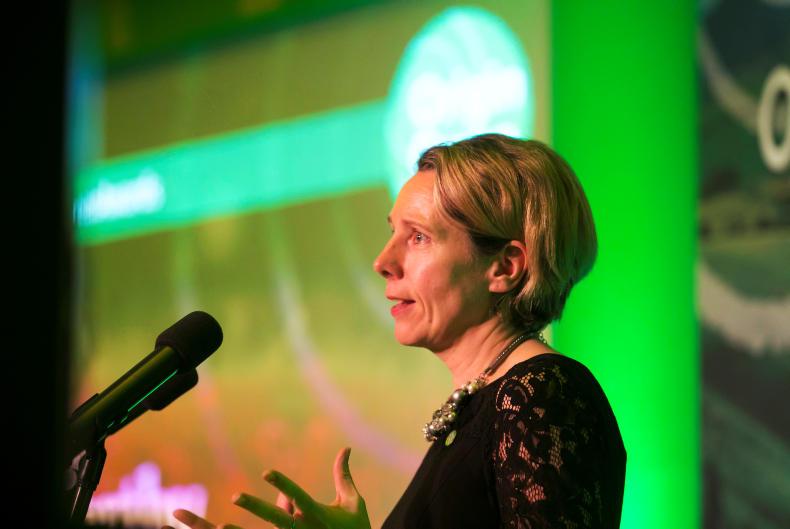
Bord Bia CEO Tara McCarthy said that overall the results showed a strong level of “resilience” within the Irish food sector.
Over 80% of dairy and meat companies also said they were looking to expand their business into new markets in response to Brexit.
“What the 2019 Brexit Barometer shows is that our industry is attuned to the issues that lie ahead and both realistic and resolute in its response to them.
“Seven out of 10 companies plan to maintain or grow sales in the UK, whilst three-quarters of Irish companies are actively looking beyond familiar marketplaces,” McCarthy said.
Read more
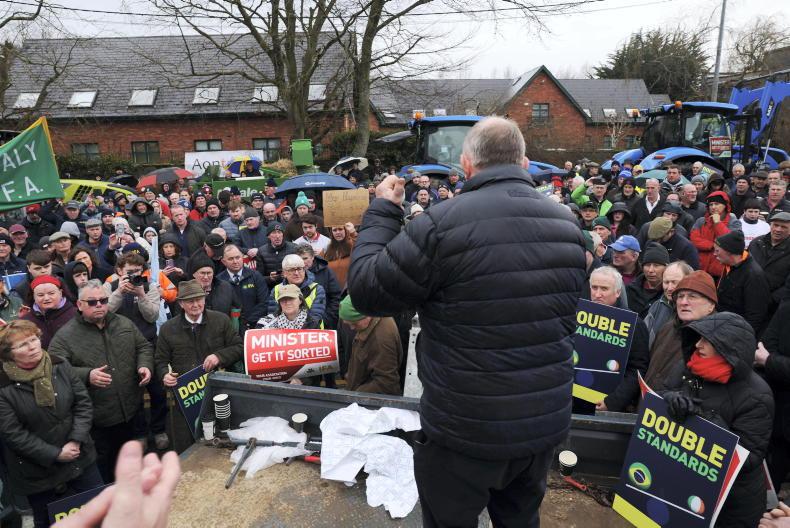
Why Mercosur deal could happen and what Ireland can do to stop it
Only 11% of Scottish farmers positive about no-deal Brexit
There was mixed news for Irish agriculture from Bord Bia’s Brexit barometer 2019 report. On one hand, the report showed that 37,000t of cheese had been imported in the first quarter of 2019 – a 39% increase compared to the same period last year. On the other hand, beef exports to the UK were down 11% compared to the same period in 2018.
In contrast, pig, poultry and sheepmeat saw a strong increase with exports rising 5%, 6% and 26% respectively.
Trading uncertainty
Bord Bia pointed out, however, that the collective value of pig, poultry and sheepmeat exports were only worth 70% of the beef exports.
Bord Bia said that the increase in cheese imports showed evidence of stockpiling to manage a potential hard Brexit scenario.
“GDP data is likely to be volatile in coming months, adding to the uncertainty of the current trading environment,” the report said.
This was reflected in the fact that 20% of dairy and dairy ingredients companies and 28% of primary meats companies said they were planning on reducing sales to the UK.
Reliance on UK
This information is worrying for farmers as of the 12 dairy and dairy ingredients companies that responded to the Bord Bia survey, 97% of their exports went to the UK.
Seven out of 10 companies plan to maintain or grow sales in the UK
Meat exporters also showed a heavy reliance on the UK market with the 18 companies who responded stating that 67% of their exports went to that market.
In terms of planning for Brexit, 32% of companies surveyed said they had a formal plan while 60% said they had an informal plan and 8% said they had no plan.
Supply chain
On a more positive note, 89% of companies said that they had a supply chain mapped to deal with problems arising from Brexit.
Results also showed that 92% of dairy and 63% of meat industry respondents said they had a plan for holding stock in response to Brexit.
Dairy and meat companies also had a higher than average rate of registration with the Department of Agriculture and the EU TRACES system for exports and imports than other company sectors in Ireland.
“The coming months will bring another Brexit deadline, but it is encouraging to see that our industry is doing all it can to prioritise what it can control in facing these challenges,” Minister for Agriculture Michael Creed said.
Port readiness
However, issues were still highlighted with 64% of companies unsure about ports' readiness and 37% unsure of hauliers’ readiness when Brexit comes.
Overall, the Irish meat and dairy sector have a higher reliance (73% and 75% respectively) on the UK land bridge to cater for exports to Europe. The average dependency is 53%.
Bord Bia CEO Tara McCarthy said that overall the results showed a strong level of “resilience” within the Irish food sector.
Over 80% of dairy and meat companies also said they were looking to expand their business into new markets in response to Brexit.
“What the 2019 Brexit Barometer shows is that our industry is attuned to the issues that lie ahead and both realistic and resolute in its response to them.
“Seven out of 10 companies plan to maintain or grow sales in the UK, whilst three-quarters of Irish companies are actively looking beyond familiar marketplaces,” McCarthy said.
Read more
Why Mercosur deal could happen and what Ireland can do to stop it
Only 11% of Scottish farmers positive about no-deal Brexit






SHARING OPTIONS