



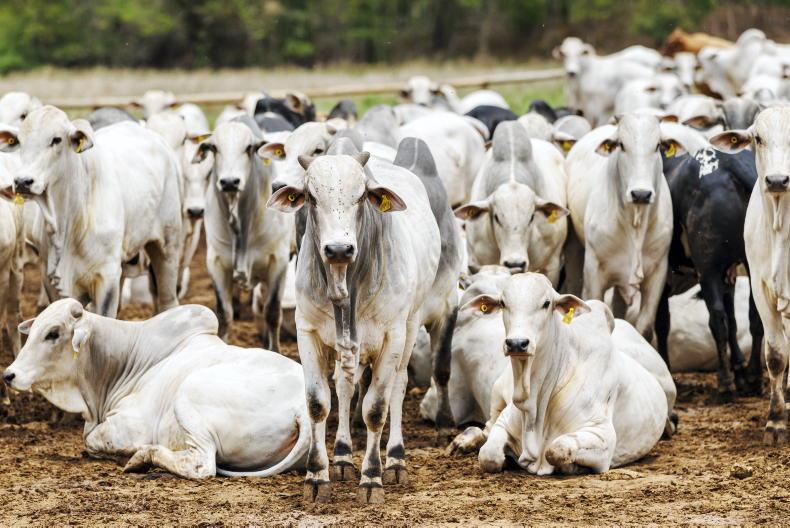
The European Commission’s final report on a 2025 follow-up audit of Brazilian beef has said that authorities there failed to put into action the safeguards they claimed they would when failures were found by EU inspectors one year previous.
The follow-up audit was completed by EU food safety experts in 2025 to assess whether Brazil had put the measures in place that it had previously committed to.
Brazil had pledged to ensure that beef from cattle treated with oestradiol 17ß was not exported to the EU after a previous EU audit had found significant shortcomings with Brazilian beef export controls.
It was found in 2024 that Brazilian authorities could not guarantee the reliability of affidavits sworn by Brazilian food businesses operating that claimed that the beef they were supplying for export to the EU had not been treated with the hormone.
Banned
The hormone has been banned in EU meat production since 1981, as a substantial body of evidence had pointed towards the hormone being cancer-causing in the humans who consumed beef treated with it.
The October 2025 check to assess whether Brazil had addressed the issue as it said it would determined that the “action plan has not been implemented as proposed”.
The EU inspectors said that while Brazilian authorities had “put in place a number of measures, which it has committed to in its action plan, these have not been fully effective in excluding from export to the EU the meat of female animals treated with oestradiol 17ß”.
“As a consequence, this recommendation is considered to have not been addressed,” the report goes on.
After its first inspection in 2024, Brazil had said it would suspend all beef exports from female cattle to the EU as it developed a protocol for export of female bovines in a bid to increase the traceability of cattle treated with oestradiol 17ß.
Brazilian exports of any beef from female cattle were not to resume until this protocol reached “complete implementation”, which in February 2025 had a provisional rollout timeframe of 12 months.
However, in October, the EU’s audit team was informed that the export of heifer and cow beef had been resumed since April – less than two months after it had been declared that a year was needed to get the new protocol up and running.
“This decision, constituting a substantial deviation from the commitments made in the action plan, had not been communicated to the European Commission,” the EU’s inspectors said.



SHARING OPTIONS