Calf diphtheria: a bacterial infection of the mouth in bucket-fed calves
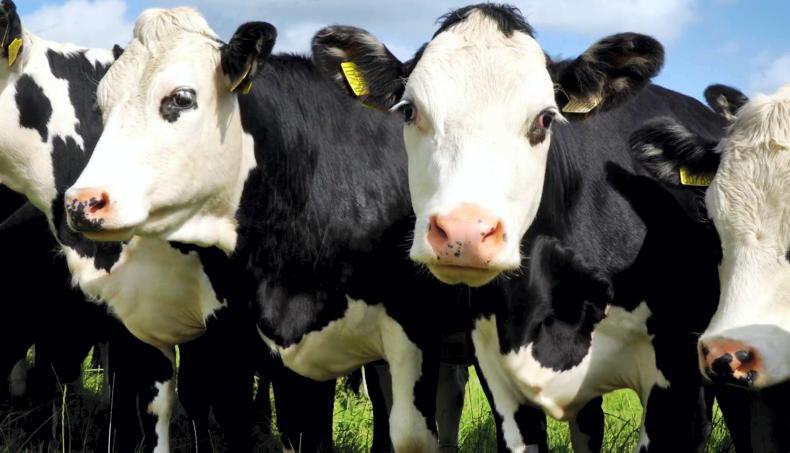
Calf diphtheria is a bacterial infection of the mouth in calves. It is generally associated with poor hygiene in housed bucket reared calves less than three months of age.
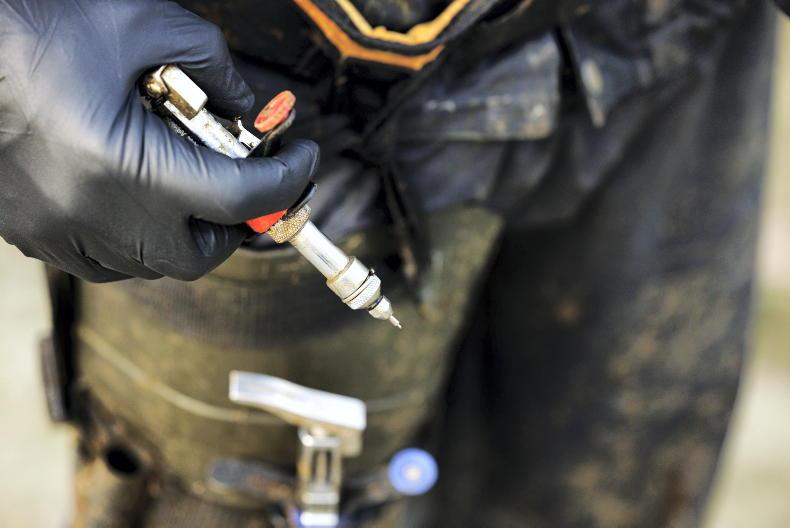
The disease occurs sporadically, and can be predisposed to by the eruption of teeth, rough feed such as straw, or the misuse of dosing guns as this provides an entry route for bacteria. The disease is caused by the fusobacterium necrophorum bacteria.
Symptoms
The main symptom associated with calf diphtheria is swelling of the tongue or cheek muscle. There is also likely to be a foul smelling odour from the mouth and there may be evidence of irregularly shaped oral ulcers. If the infection extends to the throat breathing and swallowing may be stopped, both of which can lead to death, if left untreated.
ADVERTISEMENT
Treatment
Affected calves need to be separated from their comrades and they need antibiotic treatment. All feeding utensils such as buckets need to be thoroughly cleaned and disinfected to prevent the infection from spreading.
Prevention and control
Regular cleaning and disinfection of utensils used for feeding calves is essential. If calves are being dosed with oral treatments, be careful to avoid injury to the mouth.
Register for free to read this story and our free stories.
This content is available to digital subscribers and loyalty code users only. Sign in to your account, use the code or subscribe to get unlimited access.
The reader loyalty code gives you full access to the site from when you enter it until the following Wednesday at 9pm. Find your unique code on the back page of Irish Country Living every week.
CODE ACCEPTED
You have full access to the site until next Wednesday at 9pm.
CODE NOT VALID
Please try again or contact support.
The disease occurs sporadically, and can be predisposed to by the eruption of teeth, rough feed such as straw, or the misuse of dosing guns as this provides an entry route for bacteria. The disease is caused by the fusobacterium necrophorum bacteria.
Symptoms
The main symptom associated with calf diphtheria is swelling of the tongue or cheek muscle. There is also likely to be a foul smelling odour from the mouth and there may be evidence of irregularly shaped oral ulcers. If the infection extends to the throat breathing and swallowing may be stopped, both of which can lead to death, if left untreated.
Treatment
Affected calves need to be separated from their comrades and they need antibiotic treatment. All feeding utensils such as buckets need to be thoroughly cleaned and disinfected to prevent the infection from spreading.
Prevention and control
Regular cleaning and disinfection of utensils used for feeding calves is essential. If calves are being dosed with oral treatments, be careful to avoid injury to the mouth.
If you would like to speak to a member of our team, please call us on 01-4199525.
Link sent to your email address
We have sent an email to your address. Please click on the link in this email to reset your password. If you can't find it in your inbox, please check your spam folder. If you can't find the email, please call us on 01-4199525.
ENTER YOUR LOYALTY CODE:
The reader loyalty code gives you full access to the site from when you enter it until the following Wednesday at 9pm. Find your unique code on the back page of Irish Country Living every week.






SHARING OPTIONS