The contraction in Ireland’s national cattle herd over the last 12 to 18 months is continuing apace, Department of Agriculture data shows.
There were 276,301 fewer livestock on farms on 1 June 2025, compared to 1 June 2024. Analysis of Animal Identification and Movement (AIM) data shows the herd standing at 6.9m head, 3.8% lower than 12 months previous.
There were 130,000 fewer beef cattle on farms.
The greatest reduction occurred in animals aged 24 to 30 months of age, with 53,356 fewer animals on farms. This was followed by 31,305 fewer animals aged 18 to 24 months, with these reductions driving the recent sharp drop in the beef kill.
Numbers will continue to tighten in the longer term, with over 20,000 fewer animals in the 12- to 18-month age bracket and almost 36,000 fewer animals aged three to 12 months. An 11,800 increase in the zero to three-month age category is underpinned by greater use of sexed semen and beef genetics in the dairy herd.
There are worrying signs for the size of the suckler and dairy herds. Suckler cow numbers stood at 765,877 head on 1 June, representing a year-on-year fall of 44,840 head.
Dairy cows reduced by a lower number of 37,432 head, with the number of cows on farms recorded at 1.6m head. Maintaining the herd will be challenging, with 65,488 fewer replacement heifers on farms.
Continental breeds in freefall
The profile of the national herd has changed drastically over the last decade with the abolition of milk quotas. Births to beef dams fell 240,000 head to 741,840 births in 2024, with 2025 births running 24,000 head lower.
During the same 10-year period, births to dairy dams increased by 448,275 head to 1,597,410.
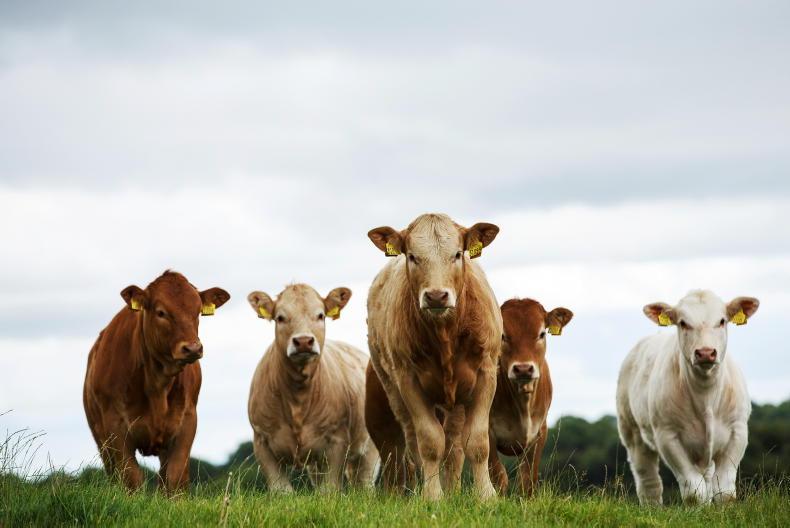
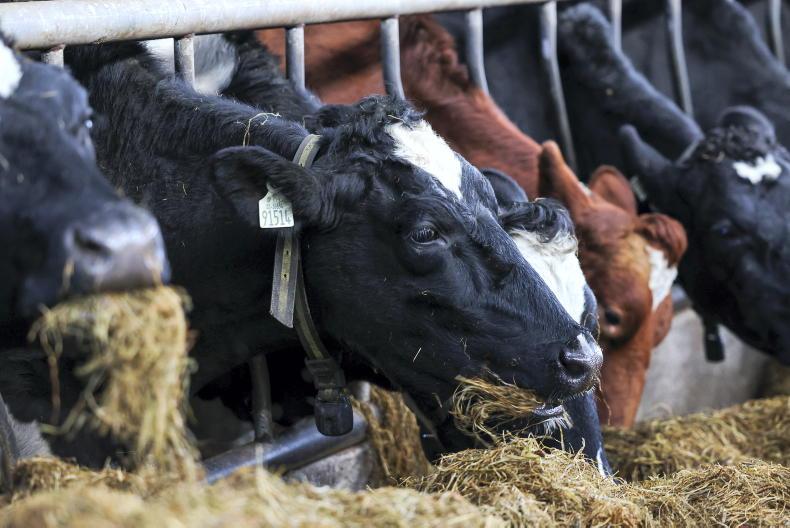
Friesian genetics continue to dominate the herd profile accounting for 40% of the herd (2,448,507 head), up 127,974 head compared to in 2014. There has been a massive drop off in continental genetics, with over 300,000 fewer Charolais stock on farms (633,788) on 31 December 2024 and 229,699 fewer Limousin cattle on farms (902,025).
The reduction in both these breeds has been filled by the number of Aberdeen Angus-sired stock increasing by 340,507 head (927,469) and Hereford stock increasing by 129,808 head (497,449). The 94,165 herds with cattle represents a reduction of 11,522 herds exiting the sector over the last 10 years. Overall, cattle numbers were similar, with the size of the average herd rising by over seven head to 65.5 livestock.
The contraction in Ireland’s national cattle herd over the last 12 to 18 months is continuing apace, Department of Agriculture data shows.
There were 276,301 fewer livestock on farms on 1 June 2025, compared to 1 June 2024. Analysis of Animal Identification and Movement (AIM) data shows the herd standing at 6.9m head, 3.8% lower than 12 months previous.
There were 130,000 fewer beef cattle on farms.
The greatest reduction occurred in animals aged 24 to 30 months of age, with 53,356 fewer animals on farms. This was followed by 31,305 fewer animals aged 18 to 24 months, with these reductions driving the recent sharp drop in the beef kill.
Numbers will continue to tighten in the longer term, with over 20,000 fewer animals in the 12- to 18-month age bracket and almost 36,000 fewer animals aged three to 12 months. An 11,800 increase in the zero to three-month age category is underpinned by greater use of sexed semen and beef genetics in the dairy herd.
There are worrying signs for the size of the suckler and dairy herds. Suckler cow numbers stood at 765,877 head on 1 June, representing a year-on-year fall of 44,840 head.
Dairy cows reduced by a lower number of 37,432 head, with the number of cows on farms recorded at 1.6m head. Maintaining the herd will be challenging, with 65,488 fewer replacement heifers on farms.
Continental breeds in freefall
The profile of the national herd has changed drastically over the last decade with the abolition of milk quotas. Births to beef dams fell 240,000 head to 741,840 births in 2024, with 2025 births running 24,000 head lower.
During the same 10-year period, births to dairy dams increased by 448,275 head to 1,597,410.
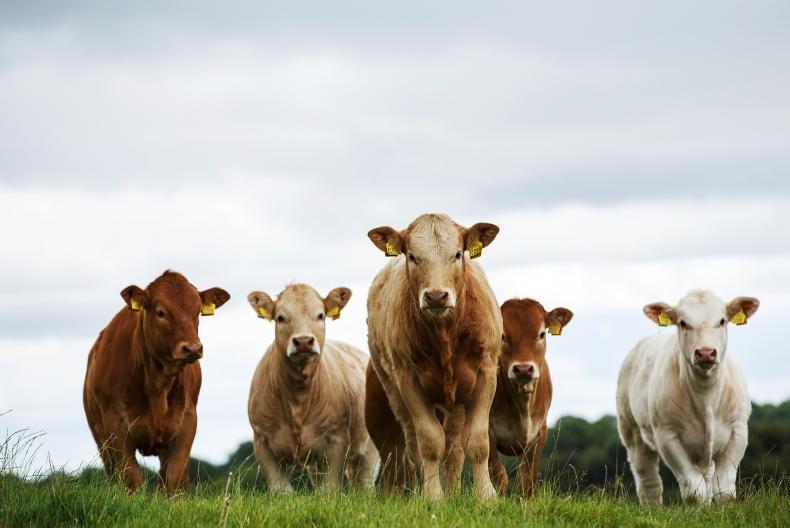
Friesian genetics continue to dominate the herd profile accounting for 40% of the herd (2,448,507 head), up 127,974 head compared to in 2014. There has been a massive drop off in continental genetics, with over 300,000 fewer Charolais stock on farms (633,788) on 31 December 2024 and 229,699 fewer Limousin cattle on farms (902,025).
The reduction in both these breeds has been filled by the number of Aberdeen Angus-sired stock increasing by 340,507 head (927,469) and Hereford stock increasing by 129,808 head (497,449). The 94,165 herds with cattle represents a reduction of 11,522 herds exiting the sector over the last 10 years. Overall, cattle numbers were similar, with the size of the average herd rising by over seven head to 65.5 livestock.







SHARING OPTIONS