




The presence of pesticides has been detected in drinking water sources across 14 counties, Irish Water has found. The National Pesticides and Drinking Water Action Group (NPDWAG), which is in charge of coordinating the effort to reduce water contamination, has urged best practice to be used when applying pesticides and sprays.
Affected counties were:
Monaghan
Emyvale (3), Glaslough (3), and Newbliss (2) in 2017, as well as low-level detections in other supplies.
Donegal
Killybegs, Carrigart-Downings and Donegal (Lough Eske) in 2017, as well as low-level detections in many other supplies.
Clare
Killadysert supply in 2017.
Galway
Tully-Tullycross (3) and Ballinasloe (1) in 2017, as well as low-level detections in other supplies.
Roscommon
Ballinlough/Loughglynn water supply in 2017 as well as low-level detections in other supplies.
Mayo
Ballina Lisglennon RWSS (1), Kiltimagh Public Water Supply (2), Westport Public Water Supply (10), Louisburgh Public Water Supply (6), and Newport Public Water Supply (9) in 2017. Low levels were also detected in other supplies.
Offaly
Clara water supply in 2017.
Wicklow
Tinahely water supply in 2017 and in 2016.
Kildare
Leixlip and Barrow water supplies in 2017.
Cavan
Belturbet Public Water Supply, Cavan Regional Water Supply Scheme, Ballyjamesduff Regional Water Supply Scheme, Killeshandra Public Water Supply, Arvagh Public Water Supply and Gowna in 2017 as well as low-level detections in many other supplies.
Limerick
Abbeyfeale, Newcastle West and the Foynes Estuary Water Supply Schemes in 2017.
Meath
Ashbourne/Rathoath, Navan/Mid Meath and South Louth/East Meath water supplies in 2017. Exceedances were also noted in the Kells/Oldcastle and Navan/Mid-Meath water supplies in 2016.
Longford
Longford Central in 2017, at locations in Newtownforbes, Longford Town and Clondra. Exceedances were also noted twice in Longford Central and once in Ballymahon in 2016.
Louth
Ardee, Greenmount (Castlebellingham), South Louth and East Meath (Drogheda) and Tallanstown water supplies in 2017. Excessive levels were also recorded in these supplies in 2016.
There is no threat to public health from these findings. Despite this, the NPDWAG stated it is imperative that users are mindful when applying these sprays.
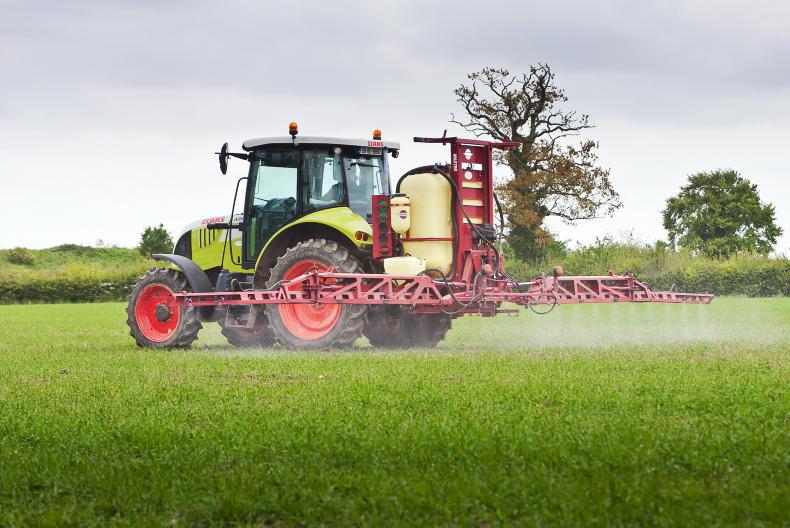
A single drop of spray can breach the drinking water limit in a small stream for up to 30km. Recent monitoring of drinking water has shown pesticides such as MCPA are showing up more frequently. The Department of Agriculture and Teagasc have compiled a video explaining the correct steps in pesticide application.




SHARING OPTIONS