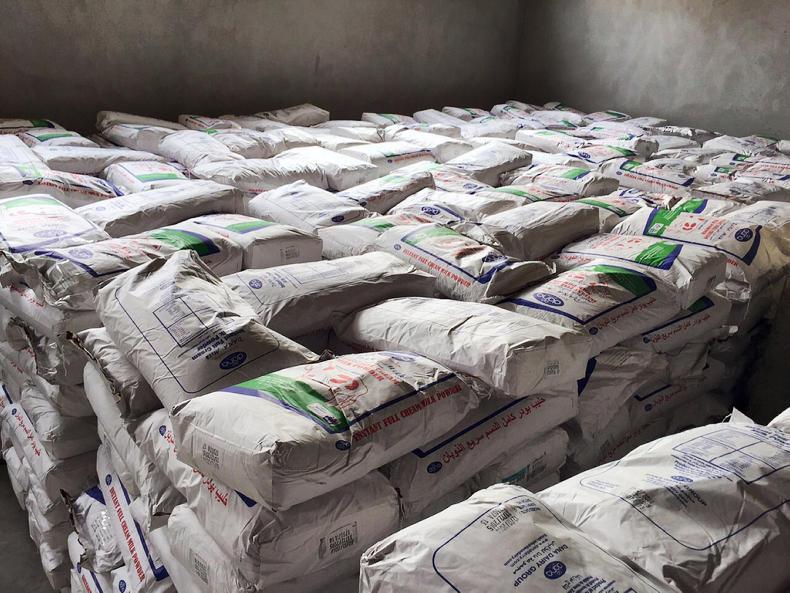
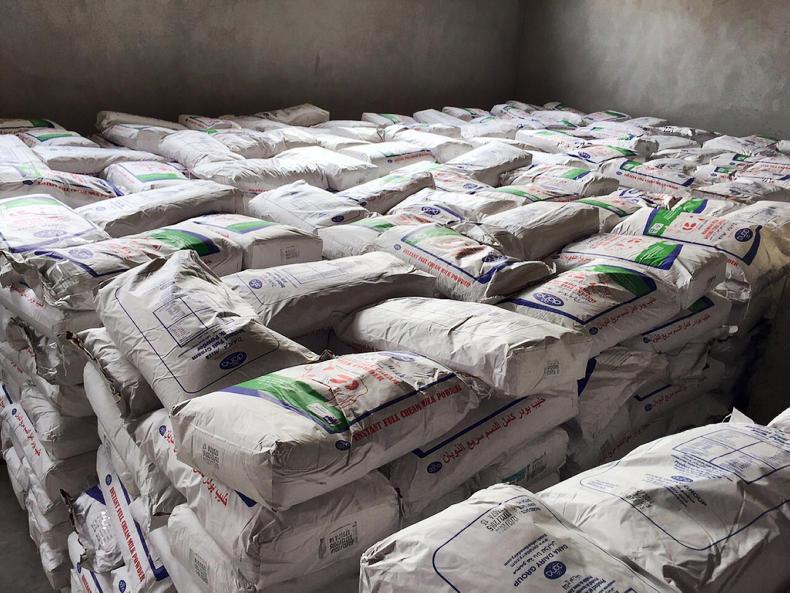
Products from local agri food firms that will reach markets after the UK leaves the EU have already been manufactured and will be shipped in the coming days.
Shipping times from the UK to ports in northern China and southeast Asia typically take up to 35 days, so containers that are due to reach these markets after 29 March will be leaving next week.
“If you are looking at southeast Asia, from manufacture to getting the product into the market, you need a 10-week lead in,” Dr Mike Johnston from Dairy UK said.
He maintained that dairy companies are continuing to ship products on the basis that there will be a Brexit deal, and therefore a transition period for the UK leaving the EU.
However, the risk is that the UK leaves the EU without a deal while these containers are at sea, meaning EU export health certificates which accompany products, as well as EU labels on packaging, are no longer valid.
Trade deals that the EU has with third countries would also no longer apply to the UK if there is a no-deal Brexit, so products would face WTO tariffs in some markets.
“Companies are continuing to support and supply their customers.
“Basically, we are trusting the government that it will deliver on a withdrawal agreement,” Johnston said.
Read more
NI agri food exports facing ‘major threat’
Technical papers don’t encourage Brexit
Products from local agri food firms that will reach markets after the UK leaves the EU have already been manufactured and will be shipped in the coming days.
Shipping times from the UK to ports in northern China and southeast Asia typically take up to 35 days, so containers that are due to reach these markets after 29 March will be leaving next week.
“If you are looking at southeast Asia, from manufacture to getting the product into the market, you need a 10-week lead in,” Dr Mike Johnston from Dairy UK said.
He maintained that dairy companies are continuing to ship products on the basis that there will be a Brexit deal, and therefore a transition period for the UK leaving the EU.
However, the risk is that the UK leaves the EU without a deal while these containers are at sea, meaning EU export health certificates which accompany products, as well as EU labels on packaging, are no longer valid.
Trade deals that the EU has with third countries would also no longer apply to the UK if there is a no-deal Brexit, so products would face WTO tariffs in some markets.
“Companies are continuing to support and supply their customers.
“Basically, we are trusting the government that it will deliver on a withdrawal agreement,” Johnston said.
Read more
NI agri food exports facing ‘major threat’
Technical papers don’t encourage Brexit






SHARING OPTIONS