


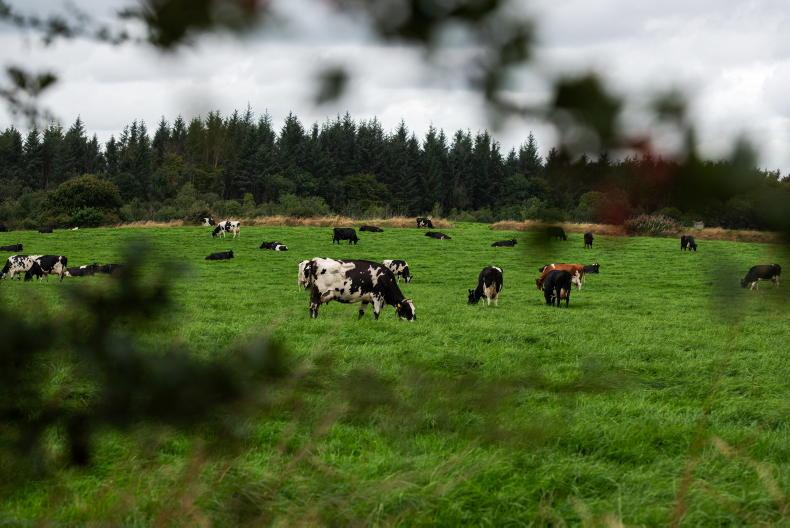
Lime: with excellent ground conditions, now is an ideal time to spread lime.
Everyone agrees that it can be difficult to spread during the main grazing season because the grazing interval is short and if the weather turns dry, the lime could be sitting on the grass.
When it comes to lime, farmers can be split into two categories; those who should be spreading lime and those who have to spread lime. The latter category is based on farmers in a nitrates derogation who are required to fulfil lime spreading as part of their nutrient management plan. Every year, farmers forget this and end up getting into bother over it.
Almost all other farmers should be spreading lime, but for some reason only half of the lime that should be spread, based on soil fertility results, gets spread. Correcting soil pH is the building block of so many things, such as improved nitrogen and phosphorus use efficiency, higher grass growth and better clover establishment.
Grassland farmers could learn a lot from their tillage farmer colleagues, who analyse soil fertility meticulously and take action to address problems. In reality, grassland farmers are also growing a crop and making sure the conditions are optimal for growth is the key thing. The most amount of lime that should be spread is 2t/acre at any one time.
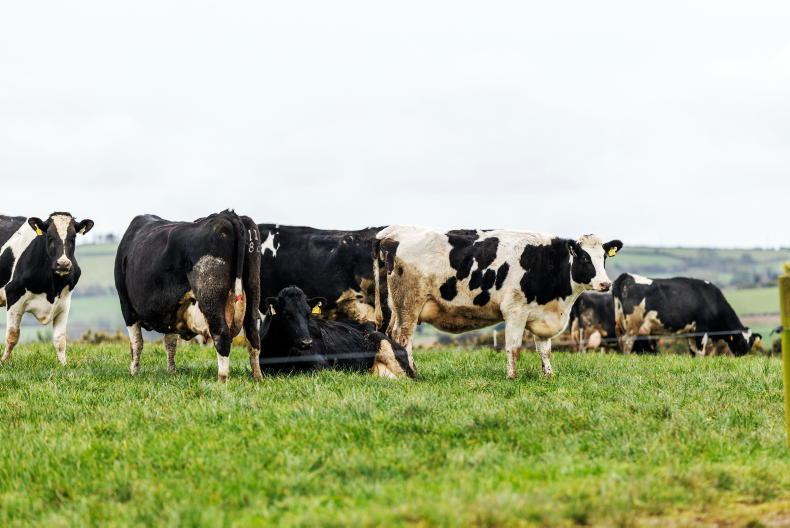
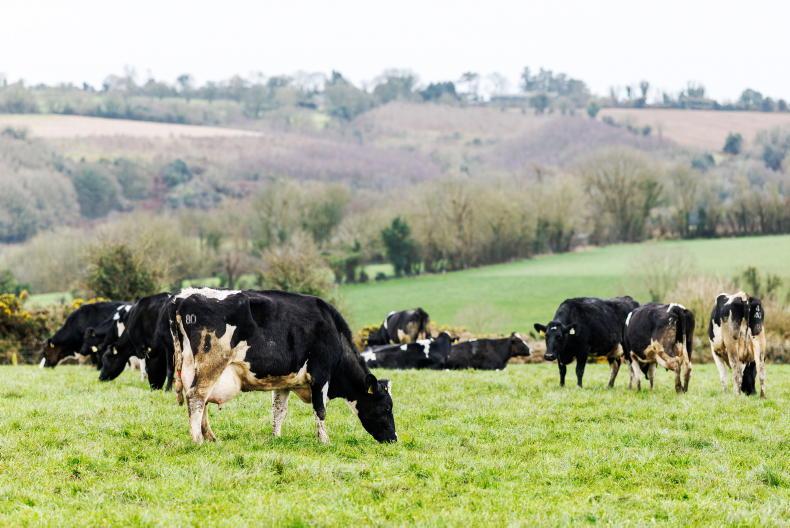
Grazing: grazing conditions are excellent on most farms and while there is rain forecast for the weekend, next weekend doesn’t look too bad at this stage. It’s a great boost at an important time of year. Making good use of this weather is important when it comes to grazing and closing wetter paddocks in good conditions.
This is a bit of a balancing act because you don’t want too much grass back on these paddocks in early spring and, at the same time, they shouldn’t be left until last as that risks doing damage to them. Avoiding damage in the autumn is key because these fields won’t have recovered in time for grazing again next spring. A good few farmers are zero grazing grass back from outfarms during this good weather.
As a word of caution, if this means slowing down the round length on the grazing platform it could be counter-productive. It might make more sense to get more of the farm grazed off in good conditions and do the zero grazing when the weather changes. Obviously, bringing in heavy machinery in wet weather is not ideal either. The thing is to ensure that there is enough grass on the farm for next spring.
Soiled water: while the closed period for spreading slurry has passed, the closed period for spreading soiled water doesn’t start until 1 December. Check that all gutters and downpipes in sheds are working as they should and double check that slurry tanks are still empty.
Where there has been a problem with water getting into tanks, slurry tanks that were empty could have a foot or more of water in them now. If no animals have been or are still in the shed, this would be classed as soiled water and should be spread. It makes more sense to apply this now than to be under pressure for storage come next January.



SHARING OPTIONS