The Swiss have almost eradicated BVD. Ireland is just starting to eradicate the disease. Swiss expert Elena Di Labio was invited to the AHI conference so that Irish experts could discuss what went right and wrong for the Swiss. There are some very significant differences between what the Swiss did and what Ireland has started – in this article we develop her thoughts.
Elena is a project manager working on the successful Swiss BVD program. Dr David Graham, Program Manager for infectious diseases with AHI gave an Irish perspective on some of the ongoing issues with the Irish BVD eradication program.
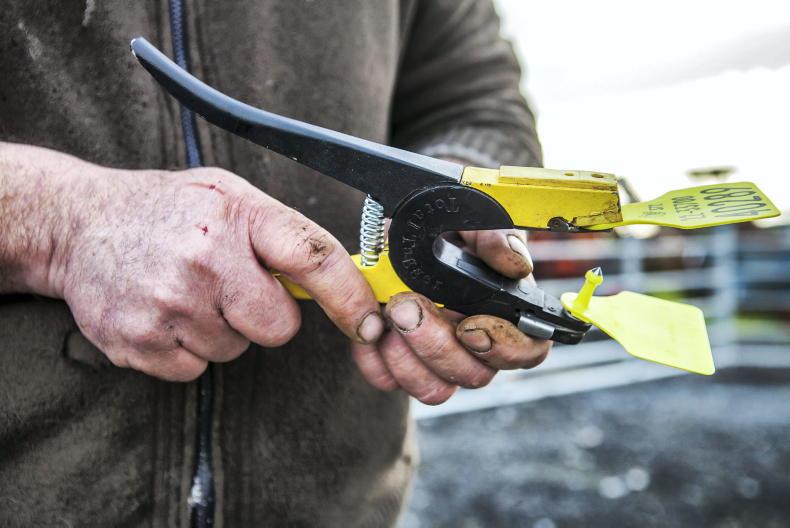
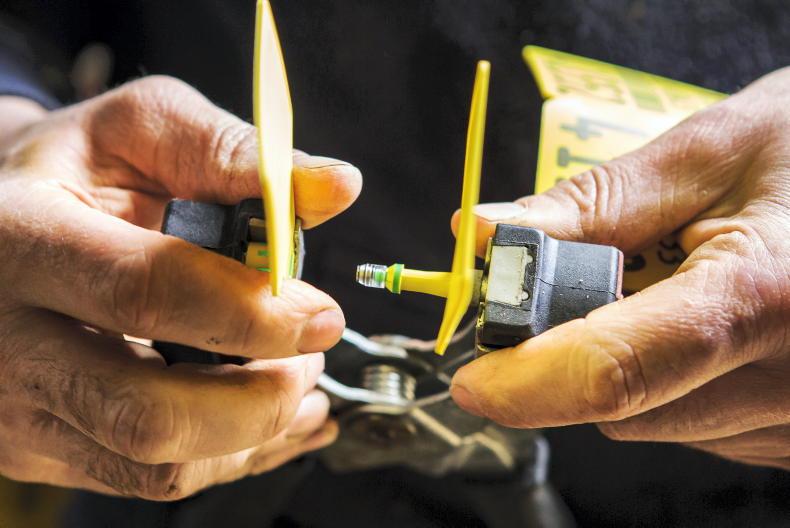
Elena described how in 2007 Switzerland decided to tag test every animal and cull the persistently infected animals (PI’s) in Switzerland to reduce the infection pressure on the national herd. When they started, they had 1.4% of the animals testing positive for
BVD virus (PI animals).
In Ireland the infection pressure is not as great with virus levels closer to 0.75% - less than one calf in every 100 calves. However, in Switzerland 20 to 30% of animals (mostly in calf heifers) go to commonage areas or mountain grazing for the summer.
This means animals are mixing with a lot of animals from other herds so the potential for virus spreading is high. The AHI Technical Working Group (TWG) decided against a national test of all animals at the start instead deciding testing newborn calves was going to be adequate given our country specific issues.
There are stronger movement restrictions on Swiss herds compared with Ireland. In Switzerland, if a PI animal is detected in calf, heifers or cows are not allowed move off that farm.
Elena described why: “If an in-calf animal calves down on a different farm with a PI calf, then potentially there is a high risk that the newborn calf will infect the new herd. The farmer that has just purchased the new heifer will not be aware that the cow should be separated from other animals and the calf isolated and tag tested immediately. The issue is if that pregnant cow came in contact with BVD during months two to four of pregnancy, the calf could be what is called a ‘trojan’ BVD PI calf and spread infection in the new herd unknowingly to the unsuspecting farmer.”
No BVD vaccines used
In Switzerland, unlike Ireland, there wasn’t widespread usage of BVD vaccine before the Swiss eradication scheme started. During the eradication program, using vaccine was actually banned.
In Ireland vaccine was freely available and in widespread use before the eradication program started and indeed during the program. As members of the AHI TWG suggested when comparing Switzerland and Ireland, you are not comparing apples with apples because the infection pressure in Switzerland was higher and hence stock probably had higher levels of natural immunity and so they were starting in a very different place.
Tag testing Swiss style
When Switzerland set up the eradication program in 2008, they planned for three years of tag testing of newborn calves, but they ended up doing five years, not finishing until 2012.
They continued tag testing for longer until they felt confident enough that the virus pressure was significantly reduced. So even with a national clean-out at the start of their eradication program, Swiss farmers spent five years testing newborn calves to identify PI calves.
In Ireland, the plan is for three years of tag testing and then a surveillance program kicks in but this will depend on infection levels and so far we are only finishing the first year of three planned years.
Compensation
In Switzerland, all PI calves are removed within two weeks and slaughtered. The farmer is compensated to the tune of about €240 per calf for a newborn calf – all farmers dairy or beef are compensated.
Local veterinary departments ensure farmers fulfil the law to remove PI calves and also project managers know where PI calves have been detected by looking in the database to keep a watching eye on what is happening at farm level. If a PI calf is found on a farm, the farm is not allowed move animals from the farm to grazing etc.
PI animals on farm
In Ireland while 9,000 PI animals have been removed from Irish herds, one in three or four PI calves still remain on farms infecting other stock in that herd and potentially other herds surrounding that farm.
Retaining PI calves on farm is one of the biggest challenges for the Irish BVD program.
It looks like some piece of legislation or at the very least better information transfer from testing laboratories to regional or local vets or a local department official is necessary because retaining PI calves is only holding a reserve of BVD in the national herd and prolonging the duration of the eradication program.
The Swiss BVD eradication program has been almost 100% successful and now only one or two new BVD infection cases are recognised each month.
At this stage, the Swiss just have to monitor BVD using milk and blood samples. In dairy herds, two random bulk milk samples are taken from dairy herds twice a year, in March and October.
Beef herds are blood tested and at least 10% of the herd must be tested or at a minimum five animals per herd. Animals must be betweensix months and four years old and have been born one month after the last PI animal was removed.
In Ireland, the AHI BVD group is just now beginning to formulate plans for a surveillance program in Ireland when compulsory tag testing ends in 2014.
Success
Elena was asked what were the critical success factors to eliminating BVD from Switzerland.
She listed five key factors:
Immediate testing of newborn calves within five days – short timeframe so potential PI calves are removed without spreading infection on the farm.
Restrictions of animal movements – once a PI is identified pregnant animals and calves are restricted from moving off the farm.
National centrally managed data – like our ICBF database the Swiss have a central database which is used to manage infected calves.
Further Investigation – if a PI calf is found on farm further testing is carried out on the farm to identify the source.
Information and communicate – Elena said bringing Swiss beef and dairy farmers with them so they understood the impact of the disease was crucial to the program success.
KEY POINTS
Switzerland started a BVD eradication program in 2007 – now they have almost eradicated the disease – they only have one or two new BVD cases per month from 1.6m cattle.All BVD PI calves are removed from Swiss farms due to strict movement restrictions, and compensation. BVD project managers are able to locate PI calves on farms and alert necessary vets. Removing PI calves was a key success factor in the Swiss programme.After five years of calf tag testing the Swiss have now moved into a surveillance program to monitor infection levels.The Irish BVD eradication program is up and going but challenges remain to remove infected animals from Irish farms or the long term cost could be much greater for farmers.OPINION
A lot done, but more to do
Animal Health Ireland marked five years in existence with this international conference. In my opinion there is no doubt the existence of Animal Health Ireland (AHI) has greatly improved the development of disease eradication programs and the information stream to farmers and those working in the animal health industry. They have provided a vital over arching industry network which brings all the important partners together including industry professionals, farmers, vets, researchers, advisers and many more.
Theoretically, BVD should be one of the easier diseases to eradicate given what we know about IBR, Johnes etc. For me, the BVD program is the first real test of the success or otherwise of AHI. Thankfully, a national BVD eradication program is up and running so the ball has been thrown in and we are in the game.
While I understand every country is different with varying prevalence and risks, etc, there seem some glaring challenges for the Irish program. At the Cork conference we learned from Elena that movement is restricted on Swiss herds until PI animals have been removed and further testing completed. Is the same necessary in Ireland to remove the calves we know are BVD PI’s but have not been slaughtered?
Yes it is some solace that 9,000 BVD PI calves have been removed, but we are all in this together – it’s a national scheme, not a herd specific program. It’s not fair on everyone else if BVD PIs remain either through negligence, ignorance or otherwise on Irish farms.
As I understand it if PIs remain on Irish farms really all that is happening is that the high cost testing will last longer for everybody, not to mention the ongoing vaccination – cost on the double for Irish farms. We talk about the high eradication cost and everyone seems to forget that some farmers have been vaccinating for the last ten years, rightly or wrongly, and are advised to continue until the BVD infection reserve has been reduced significantly. We either need to use the information (test results) we have better, giving transparency to nominated local vets, or else we need to implement some sort of a movement ban which would see the very small percentage of herds that have a known PI animal restricted.
The onus is on the Animal Health Ireland BVD technical working group to take the hard decisions and make the BVD program successful – it’s the test case on the success or otherwise of Animal Health Ireland.
The Swiss have almost eradicated BVD. Ireland is just starting to eradicate the disease. Swiss expert Elena Di Labio was invited to the AHI conference so that Irish experts could discuss what went right and wrong for the Swiss. There are some very significant differences between what the Swiss did and what Ireland has started – in this article we develop her thoughts.
Elena is a project manager working on the successful Swiss BVD program. Dr David Graham, Program Manager for infectious diseases with AHI gave an Irish perspective on some of the ongoing issues with the Irish BVD eradication program.
Elena described how in 2007 Switzerland decided to tag test every animal and cull the persistently infected animals (PI’s) in Switzerland to reduce the infection pressure on the national herd. When they started, they had 1.4% of the animals testing positive for
BVD virus (PI animals).
In Ireland the infection pressure is not as great with virus levels closer to 0.75% - less than one calf in every 100 calves. However, in Switzerland 20 to 30% of animals (mostly in calf heifers) go to commonage areas or mountain grazing for the summer.
This means animals are mixing with a lot of animals from other herds so the potential for virus spreading is high. The AHI Technical Working Group (TWG) decided against a national test of all animals at the start instead deciding testing newborn calves was going to be adequate given our country specific issues.
There are stronger movement restrictions on Swiss herds compared with Ireland. In Switzerland, if a PI animal is detected in calf, heifers or cows are not allowed move off that farm.
Elena described why: “If an in-calf animal calves down on a different farm with a PI calf, then potentially there is a high risk that the newborn calf will infect the new herd. The farmer that has just purchased the new heifer will not be aware that the cow should be separated from other animals and the calf isolated and tag tested immediately. The issue is if that pregnant cow came in contact with BVD during months two to four of pregnancy, the calf could be what is called a ‘trojan’ BVD PI calf and spread infection in the new herd unknowingly to the unsuspecting farmer.”
No BVD vaccines used
In Switzerland, unlike Ireland, there wasn’t widespread usage of BVD vaccine before the Swiss eradication scheme started. During the eradication program, using vaccine was actually banned.
In Ireland vaccine was freely available and in widespread use before the eradication program started and indeed during the program. As members of the AHI TWG suggested when comparing Switzerland and Ireland, you are not comparing apples with apples because the infection pressure in Switzerland was higher and hence stock probably had higher levels of natural immunity and so they were starting in a very different place.
Tag testing Swiss style
When Switzerland set up the eradication program in 2008, they planned for three years of tag testing of newborn calves, but they ended up doing five years, not finishing until 2012.
They continued tag testing for longer until they felt confident enough that the virus pressure was significantly reduced. So even with a national clean-out at the start of their eradication program, Swiss farmers spent five years testing newborn calves to identify PI calves.
In Ireland, the plan is for three years of tag testing and then a surveillance program kicks in but this will depend on infection levels and so far we are only finishing the first year of three planned years.
Compensation
In Switzerland, all PI calves are removed within two weeks and slaughtered. The farmer is compensated to the tune of about €240 per calf for a newborn calf – all farmers dairy or beef are compensated.
Local veterinary departments ensure farmers fulfil the law to remove PI calves and also project managers know where PI calves have been detected by looking in the database to keep a watching eye on what is happening at farm level. If a PI calf is found on a farm, the farm is not allowed move animals from the farm to grazing etc.
PI animals on farm
In Ireland while 9,000 PI animals have been removed from Irish herds, one in three or four PI calves still remain on farms infecting other stock in that herd and potentially other herds surrounding that farm.
Retaining PI calves on farm is one of the biggest challenges for the Irish BVD program.
It looks like some piece of legislation or at the very least better information transfer from testing laboratories to regional or local vets or a local department official is necessary because retaining PI calves is only holding a reserve of BVD in the national herd and prolonging the duration of the eradication program.
The Swiss BVD eradication program has been almost 100% successful and now only one or two new BVD infection cases are recognised each month.
At this stage, the Swiss just have to monitor BVD using milk and blood samples. In dairy herds, two random bulk milk samples are taken from dairy herds twice a year, in March and October.
Beef herds are blood tested and at least 10% of the herd must be tested or at a minimum five animals per herd. Animals must be betweensix months and four years old and have been born one month after the last PI animal was removed.
In Ireland, the AHI BVD group is just now beginning to formulate plans for a surveillance program in Ireland when compulsory tag testing ends in 2014.
Success
Elena was asked what were the critical success factors to eliminating BVD from Switzerland.
She listed five key factors:
Immediate testing of newborn calves within five days – short timeframe so potential PI calves are removed without spreading infection on the farm.
Restrictions of animal movements – once a PI is identified pregnant animals and calves are restricted from moving off the farm.
National centrally managed data – like our ICBF database the Swiss have a central database which is used to manage infected calves.
Further Investigation – if a PI calf is found on farm further testing is carried out on the farm to identify the source.
Information and communicate – Elena said bringing Swiss beef and dairy farmers with them so they understood the impact of the disease was crucial to the program success.
KEY POINTS
Switzerland started a BVD eradication program in 2007 – now they have almost eradicated the disease – they only have one or two new BVD cases per month from 1.6m cattle.All BVD PI calves are removed from Swiss farms due to strict movement restrictions, and compensation. BVD project managers are able to locate PI calves on farms and alert necessary vets. Removing PI calves was a key success factor in the Swiss programme.After five years of calf tag testing the Swiss have now moved into a surveillance program to monitor infection levels.The Irish BVD eradication program is up and going but challenges remain to remove infected animals from Irish farms or the long term cost could be much greater for farmers.OPINION
A lot done, but more to do
Animal Health Ireland marked five years in existence with this international conference. In my opinion there is no doubt the existence of Animal Health Ireland (AHI) has greatly improved the development of disease eradication programs and the information stream to farmers and those working in the animal health industry. They have provided a vital over arching industry network which brings all the important partners together including industry professionals, farmers, vets, researchers, advisers and many more.
Theoretically, BVD should be one of the easier diseases to eradicate given what we know about IBR, Johnes etc. For me, the BVD program is the first real test of the success or otherwise of AHI. Thankfully, a national BVD eradication program is up and running so the ball has been thrown in and we are in the game.
While I understand every country is different with varying prevalence and risks, etc, there seem some glaring challenges for the Irish program. At the Cork conference we learned from Elena that movement is restricted on Swiss herds until PI animals have been removed and further testing completed. Is the same necessary in Ireland to remove the calves we know are BVD PI’s but have not been slaughtered?
Yes it is some solace that 9,000 BVD PI calves have been removed, but we are all in this together – it’s a national scheme, not a herd specific program. It’s not fair on everyone else if BVD PIs remain either through negligence, ignorance or otherwise on Irish farms.
As I understand it if PIs remain on Irish farms really all that is happening is that the high cost testing will last longer for everybody, not to mention the ongoing vaccination – cost on the double for Irish farms. We talk about the high eradication cost and everyone seems to forget that some farmers have been vaccinating for the last ten years, rightly or wrongly, and are advised to continue until the BVD infection reserve has been reduced significantly. We either need to use the information (test results) we have better, giving transparency to nominated local vets, or else we need to implement some sort of a movement ban which would see the very small percentage of herds that have a known PI animal restricted.
The onus is on the Animal Health Ireland BVD technical working group to take the hard decisions and make the BVD program successful – it’s the test case on the success or otherwise of Animal Health Ireland.








SHARING OPTIONS