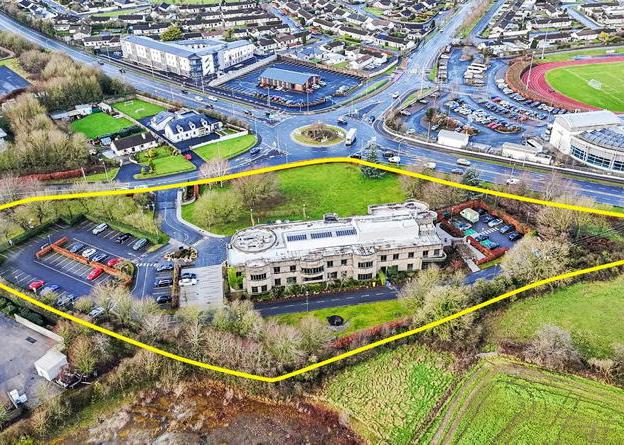
Located at the outskirts of Wexford town, the Tirlán Wexford cheese plant dominates the skyline and stands as a symbol to the rich heritage of food production and farming in the south east.
The Irish Farmers Journal got a tour of the site in early February as part of the Tirlán site tour for suppliers.
Site manager John O’Connor informed the visitors that the idea to build a cheese plant in Wexford was conceived in 1959 with the first blocks of cheddar cheese rolling off the line in 1961.
The plant has had a chequered history with a number of owners including Unigate, Danone, Dairy Crest and then Wexford Milk Producers who sold the business and the plant to Glanbia Ingredients Ireland, now Tirlán in 2014.
For many years, Wexford Creamery was the main sponsor of the Wexford GAA teams making the cheese factory synonymous with the victorious Wexford hurling team of 1996.
Capacity
In 2017, Tirlán invested over €35m into Wexford Creamery to double the capacity at the plant and it can now manufacture almost 50,000t of cheddar cheese per year from 450m litres of milk annually.
There are 60 employees working at the plant but it is obvious that significant investment has been made in automation and robotics over the years as the number of people involved in the key tasks of cheesemaking is very low.
Steps
A total of around 65 tanker loads of milk arrive at the Wexford site each day carrying 29,000l of milk each.
The first step in the process is for the lorries to be weighed and then a quick-result antibiotic test is done on each load of milk before any milk leaves the lorry.
Presuming the antibiotic test result is clear, the milk is then pumped into one of the large milk silos. From there it is pre-heated using heat from the whey treatment plant to 34°C before the milk gets pasteurised.
This helps to reduce energy costs and is a good use of the heat generated by the whey plant.
Cheesemaker Ronan Sills explained the steps involved in making the cheddar cheese at Wexford.
The first step is to standardise the milk. This is to ensure that the milk is consistent before the cheesemaking process commences, because milk coming off farms has different fat contents. Some of the cream is skimmed off the milk and then the standardised milk is pasteurised.
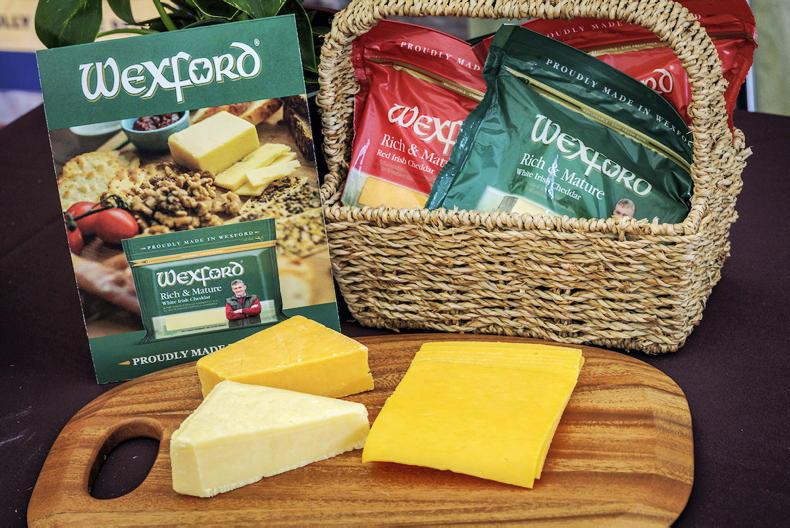
A selection of Wexford cheese.
After pasteurisation, the milk is stored in large vats and the starter cultures are added to the milk to start the cheese making process. Next step is to add the rennet and then the curd is cooled and stirred. All of these actions are completed in a huge cheese making machine called an Alfamatic.
This machine is several storeys high.
As part of the process, the cheese enters what they call a chip mill where it is salted.
The cheese then leaves the Alfamatic where it is vacuum packed into 20kg blocks before is it rapid chilled and boxed.
The whole process from cheese being pasteurised to coming out in a block takes just five hours and the plant runs for 26 hours at a time before shutting down for four hours for cleaning in place (CIP). Ronan explains that the big cheese house is split in two meaning that each part can be washed independently of each other, which speeds up the CIP process.
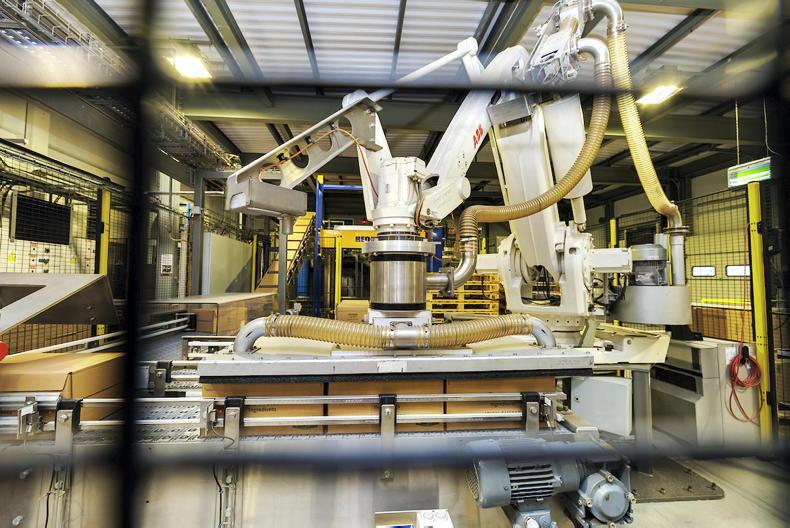
Production facilities on show at the Open Days at the Tirlán Wexford. \ Dylan Vaughan
Over the 26 hours of continuous operation, there will be between 12,000 and 13,000 boxes of cheese manufactured. Ronan explained that there are 27 different recipes being used on site at different times, depending on the customer specification for the cheese being manufactured.
Over the course of a week, there is 1,320t of cheddar cheese manufactured on the site and Ronan says it takes about 8,500 litres of milk to make 1t of cheese, depending on the quality or cheese yield of the milk, with high solids milk delivering more cheese per litre.
Before the cheese enters the packing house, each block is scanned by an x-ray machine to ensure there are no foreign bodies present. The x-ray machine is able to detect foreign bodies as small as a 2mm ballpoint.
Rapid chill
When the cheese rolls off the line it is still warm at 37°C so it goes into a rapid chill facility which brings the temperature down to 12°C. The blocks then get palleted with 245 pallets wrapped and labelled per run.
The pallets are stored in a cold store at a temperature of between 5°C and 7°C.
Twelve to 15 lorry loads of cheese leave the factory each day. Depending on the customer, these blocks of cheese will end up going around the world for further processing, slicing, cutting or grating.
Whey
Of course, cheese is only one of the products made from cheese making, with whey the other key product.
In the Wexford plant, the whey is refined and concentrated in a whey plant on site, before being transported in liquid form to the Tirlán facility at Ballyragget in Co Kilkenny where it is refined further into the high value whey protein isolate.
Next door to the cheese plant lies the Danone infant milk formula plant.
While the plants were connected in the past, the only connectivity now is that they share the waste water treatment plant, which is located on the part of the site owned by Tirlán.
A lot of the ingredients used in the manufacture of the Danone infant milk formula and specialised nutrition are sourced from Tirlán, but not directly from the Wexford plant.
Priorities
The importance of safety, quality and keeping costs low were emphasised throughout the tour of the facility. The mantra, “safety first but quality always” was mentioned by numerous operators throughout the course of the tour of the facility.
The success of the cheese manufactured in Wexford at cheese shows such as Nantwich and other competitions was referenced throughout the tour, with much credit for this success given to the cheese makers but also the quality of the milk entering the plant.
The ultimate test is of course the taste of the cheese and this is where cheese grader Gerry Warren comes in. Gerry is the cheese grader at Tirlán, sampling the 80,000 to 90,000t of cheddar cheese produced each year from the Wexford and Ballyragget factories.
According to Gerry, cheese is graded based on sensory tests such as sight, smell, taste, flavour, texture and touch. He first starts to grade cheese six to eight weeks after it is manufactured and then every 12 weeks thereafter.
Gerry said that mild cheeses, which make up the bulk of the cheese produced at Wexford, are fit to be consumed after about five months whereas medium cheeses are consumed at six to nine months while mature cheeses are ready at 10 to 14 months. Extra mature or vintage cheddar cheese are over 14 months of age and can be aged for up to two years.
Located at the outskirts of Wexford town, the Tirlán Wexford cheese plant dominates the skyline and stands as a symbol to the rich heritage of food production and farming in the south east.
The Irish Farmers Journal got a tour of the site in early February as part of the Tirlán site tour for suppliers.
Site manager John O’Connor informed the visitors that the idea to build a cheese plant in Wexford was conceived in 1959 with the first blocks of cheddar cheese rolling off the line in 1961.
The plant has had a chequered history with a number of owners including Unigate, Danone, Dairy Crest and then Wexford Milk Producers who sold the business and the plant to Glanbia Ingredients Ireland, now Tirlán in 2014.
For many years, Wexford Creamery was the main sponsor of the Wexford GAA teams making the cheese factory synonymous with the victorious Wexford hurling team of 1996.
Capacity
In 2017, Tirlán invested over €35m into Wexford Creamery to double the capacity at the plant and it can now manufacture almost 50,000t of cheddar cheese per year from 450m litres of milk annually.
There are 60 employees working at the plant but it is obvious that significant investment has been made in automation and robotics over the years as the number of people involved in the key tasks of cheesemaking is very low.
Steps
A total of around 65 tanker loads of milk arrive at the Wexford site each day carrying 29,000l of milk each.
The first step in the process is for the lorries to be weighed and then a quick-result antibiotic test is done on each load of milk before any milk leaves the lorry.
Presuming the antibiotic test result is clear, the milk is then pumped into one of the large milk silos. From there it is pre-heated using heat from the whey treatment plant to 34°C before the milk gets pasteurised.
This helps to reduce energy costs and is a good use of the heat generated by the whey plant.
Cheesemaker Ronan Sills explained the steps involved in making the cheddar cheese at Wexford.
The first step is to standardise the milk. This is to ensure that the milk is consistent before the cheesemaking process commences, because milk coming off farms has different fat contents. Some of the cream is skimmed off the milk and then the standardised milk is pasteurised.

A selection of Wexford cheese.
After pasteurisation, the milk is stored in large vats and the starter cultures are added to the milk to start the cheese making process. Next step is to add the rennet and then the curd is cooled and stirred. All of these actions are completed in a huge cheese making machine called an Alfamatic.
This machine is several storeys high.
As part of the process, the cheese enters what they call a chip mill where it is salted.
The cheese then leaves the Alfamatic where it is vacuum packed into 20kg blocks before is it rapid chilled and boxed.
The whole process from cheese being pasteurised to coming out in a block takes just five hours and the plant runs for 26 hours at a time before shutting down for four hours for cleaning in place (CIP). Ronan explains that the big cheese house is split in two meaning that each part can be washed independently of each other, which speeds up the CIP process.

Production facilities on show at the Open Days at the Tirlán Wexford. \ Dylan Vaughan
Over the 26 hours of continuous operation, there will be between 12,000 and 13,000 boxes of cheese manufactured. Ronan explained that there are 27 different recipes being used on site at different times, depending on the customer specification for the cheese being manufactured.
Over the course of a week, there is 1,320t of cheddar cheese manufactured on the site and Ronan says it takes about 8,500 litres of milk to make 1t of cheese, depending on the quality or cheese yield of the milk, with high solids milk delivering more cheese per litre.
Before the cheese enters the packing house, each block is scanned by an x-ray machine to ensure there are no foreign bodies present. The x-ray machine is able to detect foreign bodies as small as a 2mm ballpoint.
Rapid chill
When the cheese rolls off the line it is still warm at 37°C so it goes into a rapid chill facility which brings the temperature down to 12°C. The blocks then get palleted with 245 pallets wrapped and labelled per run.
The pallets are stored in a cold store at a temperature of between 5°C and 7°C.
Twelve to 15 lorry loads of cheese leave the factory each day. Depending on the customer, these blocks of cheese will end up going around the world for further processing, slicing, cutting or grating.
Whey
Of course, cheese is only one of the products made from cheese making, with whey the other key product.
In the Wexford plant, the whey is refined and concentrated in a whey plant on site, before being transported in liquid form to the Tirlán facility at Ballyragget in Co Kilkenny where it is refined further into the high value whey protein isolate.
Next door to the cheese plant lies the Danone infant milk formula plant.
While the plants were connected in the past, the only connectivity now is that they share the waste water treatment plant, which is located on the part of the site owned by Tirlán.
A lot of the ingredients used in the manufacture of the Danone infant milk formula and specialised nutrition are sourced from Tirlán, but not directly from the Wexford plant.
Priorities
The importance of safety, quality and keeping costs low were emphasised throughout the tour of the facility. The mantra, “safety first but quality always” was mentioned by numerous operators throughout the course of the tour of the facility.
The success of the cheese manufactured in Wexford at cheese shows such as Nantwich and other competitions was referenced throughout the tour, with much credit for this success given to the cheese makers but also the quality of the milk entering the plant.
The ultimate test is of course the taste of the cheese and this is where cheese grader Gerry Warren comes in. Gerry is the cheese grader at Tirlán, sampling the 80,000 to 90,000t of cheddar cheese produced each year from the Wexford and Ballyragget factories.
According to Gerry, cheese is graded based on sensory tests such as sight, smell, taste, flavour, texture and touch. He first starts to grade cheese six to eight weeks after it is manufactured and then every 12 weeks thereafter.
Gerry said that mild cheeses, which make up the bulk of the cheese produced at Wexford, are fit to be consumed after about five months whereas medium cheeses are consumed at six to nine months while mature cheeses are ready at 10 to 14 months. Extra mature or vintage cheddar cheese are over 14 months of age and can be aged for up to two years.
SHARING OPTIONS