



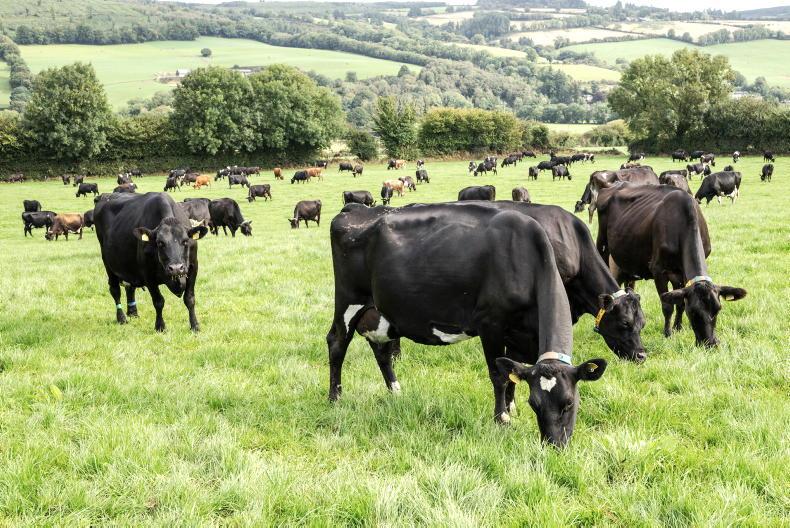
Weather: Conditions have taken a serious turn for the worst, particularly on heavier soils in the west. With rainfall levels two or three times the normal over the last fortnight, soils are saturated and many farmers have had no choice but to house some stock, at least temporarily. It’s not plain sailing on drier ground either, with cows very uneasy, grass dry matter very low and poor residuals widespread. There is more rain forecast over the next few days, but the forecast is looking better for next week so hopefully things will settle down again. It’s still very early, which is both a positive and a negative. There’s ample time for conditions to get better, but that time is running out on heavier soils. All farmers can do is manage the situation as best they can, based on the conditions they are faced with. All farmers should be on 12-hour breaks, use multiple access points and back-fence previously grazed areas. The golden rule with autumn grazing is to avoid damage at all costs, because the soil won’t have healed by springtime, where grazing is more valuable. Damage done in spring repairs much faster. Where silage has to be fed, make sure it’s the best quality available, but again, make sure there is enough kept for wet days and nights in spring.
Milk prices: The milk price cuts announced over the last week have been much deeper than expected and for most farmers will come as a huge shock. While dairy markets have fallen over the last few weeks, the trade in August was stable, which makes the price cuts harder to figure out. These cuts will have implications for farm budgets, particularly next spring when components will be a lot lower than they are now. A bit like the derogation, there is uncertainty over where milk prices will land for the rest of the back-end and for early next year. While we can debate the rights and wrongs of milk prices, farmers on the ground will need to manage cashflow. The first thing to look at is spending. The economics of feeding meal to drive milk output and make a margin have changed and it’s now less attractive. Concentrate feed costs continue to be over-priced in Ireland relative to world market grain price. The other area that might need to be reconsidered is capital expenditure. A lot of accountants and advisers are now encouraging farmers to have between €600 and €1,000/cow in a cash reserve for the rainy day fund, so this should be in place before cap-ex is spent out of cash.
Animal health: There seems to be more lungworm around this year compared to other years. Farmers should talk to their vet about dosing strategies, but the key thing is to treat coughing animals with a sense of urgency because it can make them very sick very quickly. Now is also the time to vaccinate cows and in-calf heifers for salmonella disease to protect pregnancies. Finally, there are increased reports of bloat this week, even where preventative measures are in place. Be extra vigilant in lush swards with high nitrogen content. I would be inclined to feed silage to cows when they are grazing high-risk swards, particularly where there is some red clover in the sward too.




SHARING OPTIONS