



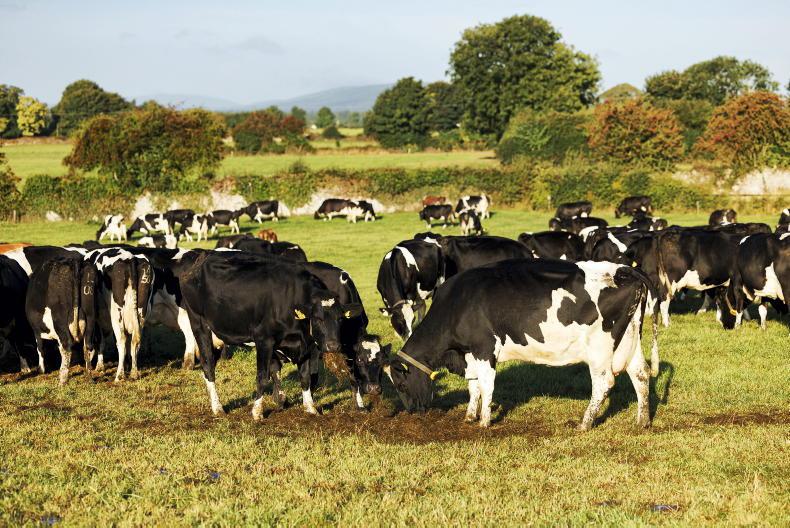
Grass growth predictions are showing a continued slowdown for the coming week.
While the grass reduction was initially centred towards the east and southeast, more of the country is now being affected by the lack of moisture.
For example, grass growth predictions are around 30kg per day for Laois/Kilkenny, 35-40kg for Cork/Limerick but holding at 55-60kg for Connacht.
It’s clear that the western seaboard counties are probably 10 days behind the rest of the country in growth reduction.
Grass growth curve
The water capacity map in Figure 1 shows the effect of water availability on grass growth.
A value of 100% indicates that there is no water limitation and grass growth is unaffected by water stress.
Lower values indicate the degree to which grass growth is reduced due to limited water availability.
As from Figure 1, counties such as Wexford, Carlow and Kilkenny, have a low water availability, which is having a negative impact on current grass growth.
The most recent Pasturebase grass growth predictions (pasturebase.teagasc.ie) quantify the emerging slowdown in growth reported by farmers and advisers in regions of the country over recent days.
Areas such as south Leinster, east Cork, south Tipperary and Waterford are showing daily grass growth dropping to mid-20s.
With continued high temperatures and little rainfall forecast, average farm cover per cow is set to drop below the target 170kg.
Prompt grazing management actions are needed to manage the situation.
The main priority now is to adjust daily grass demand to below daily growth rate. This will help to hold grass cover on the farm, protecting current growth and speeding up recovery when rain arrives.
All through last week and this week, grass DM is greater than 24%. In high dry matter situations like this farm covers tend to be underestimated.
Grazing management
Current average farm cover is 600kg DM/ha or 187kg/cow, which is near target.
Take an example of a 140-cow herd on 44ha, running a grazing stocking rate of 3.2 cows/ha. Cows are currently being offered 18kg of grass per cow. This results in a planned daily grass demand of 3.2 x 18 = 58kg per ha each day.
Predicted grass growth has fallen to 35kg per day, which means a deficit of about 23kg per day. Over a 10-day period this shortfall in growth would reduce average farm cover by 230kg per ha.
If daily grass allowance is not adjusted the farm cover will drop below 470kg per ha over 7-10 days which is too low.
Action is therefore needed to bring daily grass demand in line with growth. Assuming a 35kg DM/ha growth rate for the coming 10 days, grass allowance per cow will need to drop to around 12-13kg per day on average (35÷3.2), with the balance of herd feed demand offered as supplement.
For 140 cows grazing 44ha (3.2 stocking rate), maximum daily area grazed should be around 1.7ha (4.2 acres).
If there is 1,100kg DM per ha of grass available on the paddock that is 1.7*1,100= 1,870kg feed available (13.0kg per cow). Herd demand is 2,520kg per day, therefore 700kg of total supplement is required daily, or about 5-6kg per cow.
This deficit can be managed by in-parlour feeding and some silage (preferably baled silage) and will reduce demand by 16kg per day. If there is larger deficit between growth and demand (eg if current grazing stocking rate is higher) it will be necessary to temporarily reduce demand by feeding extra silage.
Rotation length can be maintained at 25 days in the current situation. This means grazing no more than 4% of the grazing platform daily. Assess the grass available and supplement with forage/ concentrate to balance herd demand.
Post grazing residuals of 4-4.5cm need to be maintained, otherwise feed is being wasted.
Increasing rotation length greater than 25 days may lead to reduced grass quality as there is a limit to how far grazing can and should be extended.
Fertiliser spreading should be ceased where grass growth is low (<40kg DM/ha).
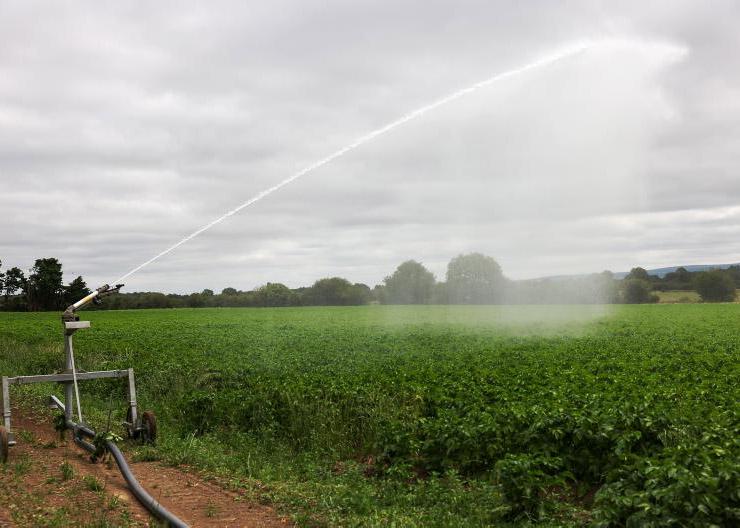
Use of soil water should be concentrated on the mostly recent reseeded paddocks and those with a green base.
Grazing silage crops
Areas closed for silage and accessible for grazing with less than 2,500kg DM covers may be grazed as a ‘standing supplement’. Pre-mowing does not offer any advantage.
Regarding zero grazing, if mowing high covers recent research shows the same performance drops that are associated with grazing high covers. The decision to zero graze should be based on pre-grazing yield.
If silage swards have surpassed ideal pre-grazing herbage masses and are nearing cutting stage then it is preferable to leave for silage cutting at this stage.
Feeding supplements
Once the grass supply has been calculated (guided as grass growth divided by stocking rate) then the main objective is to ‘fill the gap’ of daily nutrient requirements as economically as possible, while factoring labour and effects on winter feed reserves.
Concentrate on its own will not slow grazing rotation, concentrate will need to be fed in combination with grass silage to meet the deficit.
The main diet components to think about in these scenarios are total energy intake (measured as UFL) and the overall minimum fibre content (measured as NDF) of the diet.
In simple terms, if 6kg DM good quality grass is removed from the diet then about 5.8 UFL and 2.3kg of NDF fibre has been removed and will need to be replaced by supplements.
Deficits of less than 4kg can readily be met by parlour feeding alone, provided that grass intakes can be maintained over 13kg DM per cow per day. This is because fibre (NDF) levels in the diet can be met while also achieving total energy (UFL) intake with a combination of grass plus concentrate.
Parlour rations in this case should be of high quality (>0.94 UFL as fed) and should typically contain around 35% cereals, a 30-40% digestible fibre sources (beet pulp, hulls etc), a protein source, plus minerals/vitamins.
There is scope for high inclusion of suitable domestic grain sources (barley, oats) in this fraction of the diet; where higher feeding rates are needed there may be a benefit to including some maize due its slower starch degradability.
Where grass is maintained at 12-13kg DM per cow, there should be no requirement to increase concentrate crude protein content above 14% as fed in the short term. This can be reviewed if high levels of silage are introduced and/or pasture quality deteriorates further in a prolonged drought situation.
Ensure also that mineral inclusion (particularly Cal-Mag) is adjusted to allow for higher daily feeding rates otherwise digestive upsets may occur. A rule of thumb is to not exceed 1.5 times the recommended feeding rate on the ration label.
Where daily grass deficits exceed 4kg DM per day, it is likely a high-quality feed supplement containing good fibre NDF levels is needed in the diet. This is particularly the case where pre-grazing yields are declining to less than 1,200kg DM per ha and cows are struggling to meet fibre requirements on pasture forage alone.
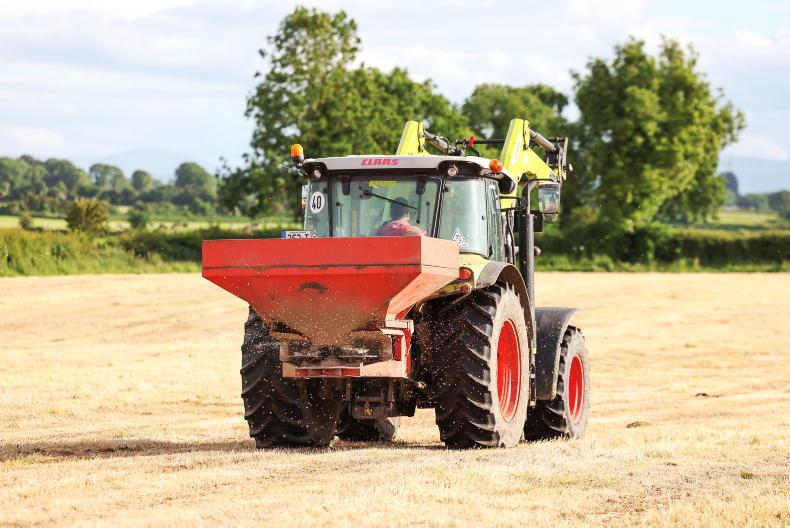
Where all cows can feed simultaneously in the yard at milking time, it should be possible to achieve 4-5kg DM silage intake per cow per day in two feeding bouts in the am and pm, provided the herd has access to silage as they exit the parlour. In our example herd of 140 cows, this means offering three bales per day at milking.
If feed space is tight, it is preferable to only hold the number of cows that can comfortably eat simultaneously, otherwise there is increased risk of injury and lameness due to slippages and bullying. For the 140 cow example, if only 110 cows can fit at the barrier, the first 30 cows can return directly to the paddock with the remainder held for two hours feeding with adequate space. The alternative is to provide additional space in feed trailers in a separate paddock or yard away from the main area.
Some farms will separate a portion of the herd and place on 100% silage plus meal in the shed or a convenient paddock. This may be a paddock marked for reseeding later in the year. A small area of fresh grass can be allocated to this group daily.
This approach simplifies grazing management of the main group (no holding of cows at milking). Hygiene for mastitis control is critical with this approach.
Whichever actions are chosen, it is vital to act now to ensure that grass supply is rationed out as early as possible on farms affected or likely to be affected by moisture deficits
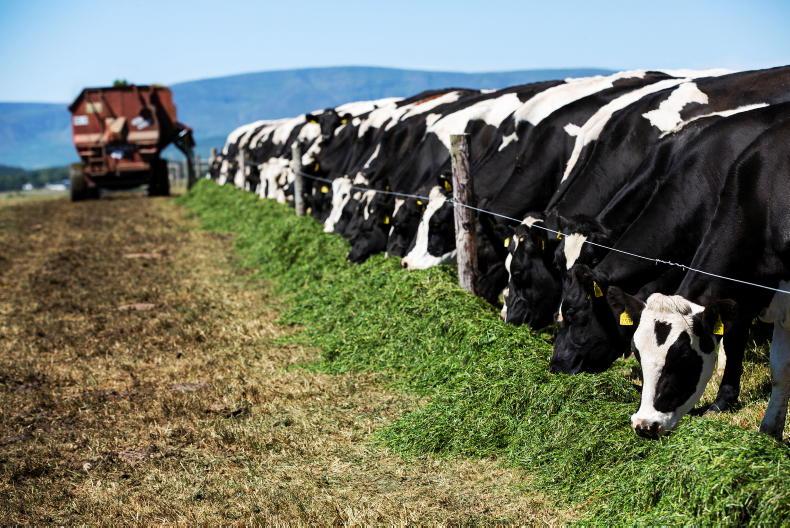
Offer silage to all cows in the grazing paddock, placing silage along perimeter fencing or distributed on the pre-grazing sward. This works best where feed can be allocated with a diet feeder or a bale spreader. Silage allocation should be calculated to balance available grass on the paddock daily.
Forage should be spread along a long linear distance (1m per cow) to reduce bullying. Avoid mixing cereals/grains to minimize wildlife contact and TB risk.
High fibre straights have NDF content of greater than 50% of DM, making them an intermediate feed between forage and concentrate. They can be offered (PKE/hulls/pulp) at a rate of 3kg per day where silage stocks are tight.
Some farms choose to feed these in mobile feed troughs in the field. Parlour feeding of concentrate at 4-5kg can continue with this approach however a minimum of 12kg grass DM intake is recommended.
Note that citrus pulp does not work well in this situation due to its lower NDF fibre content. Ensure access to clean water.
Whichever actions are chosen, it is vital to act now to ensure that grass supply is rationed out as early as possible on farms affected or likely to be affected by moisture deficits. Plan to supplement until seven days after growth exceeds demand.




SHARING OPTIONS